
The 60-Second Overview
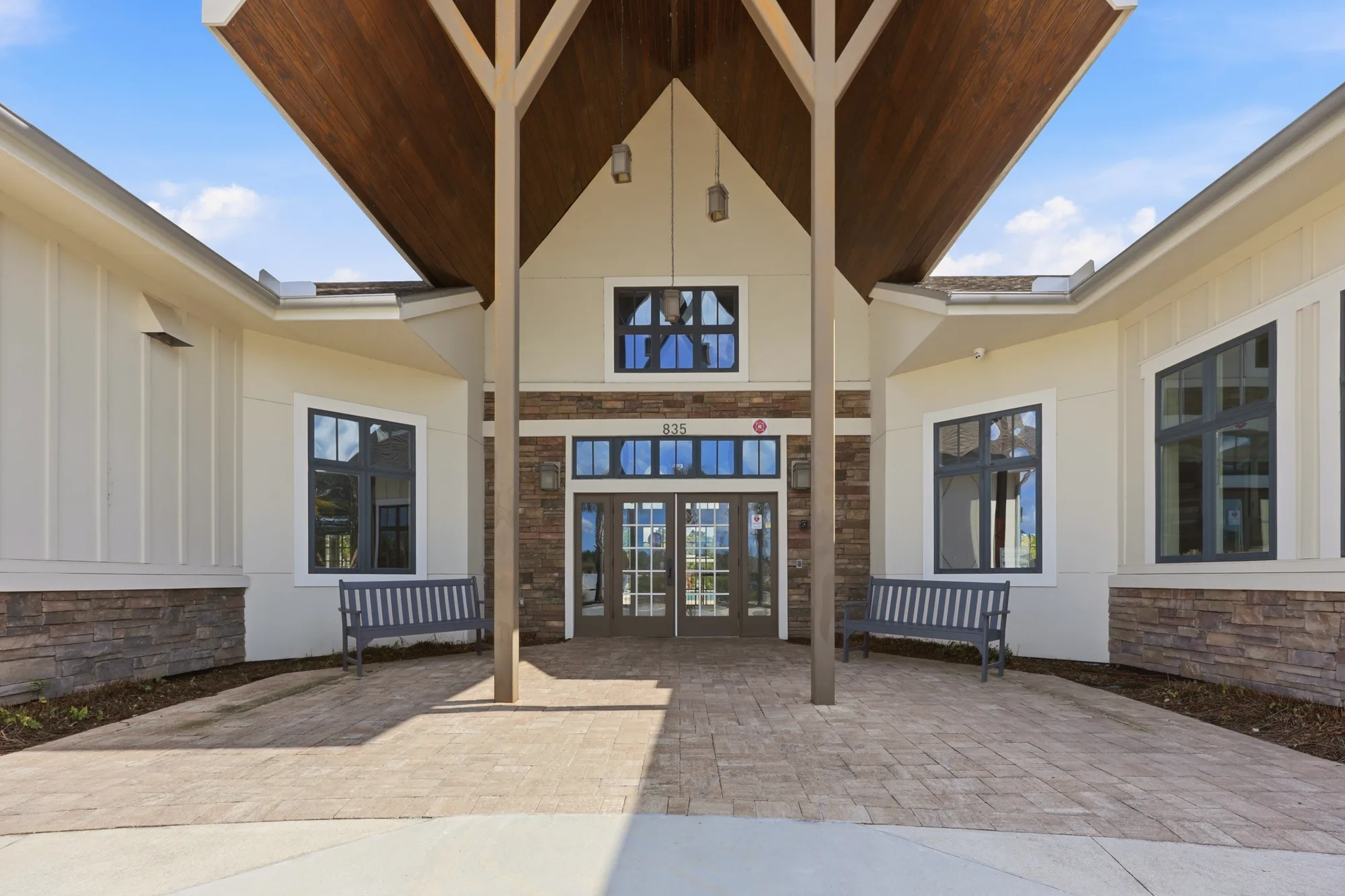
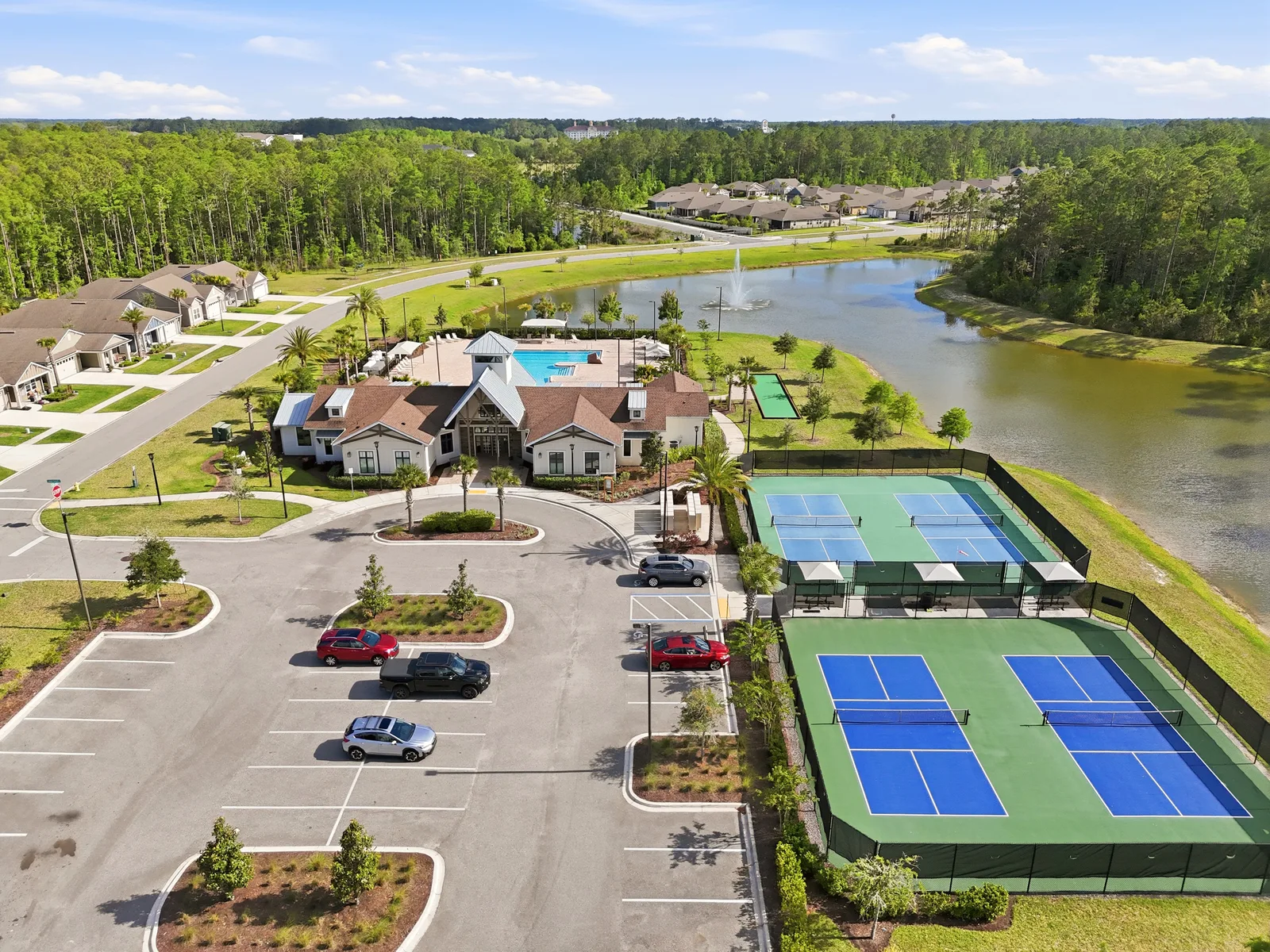
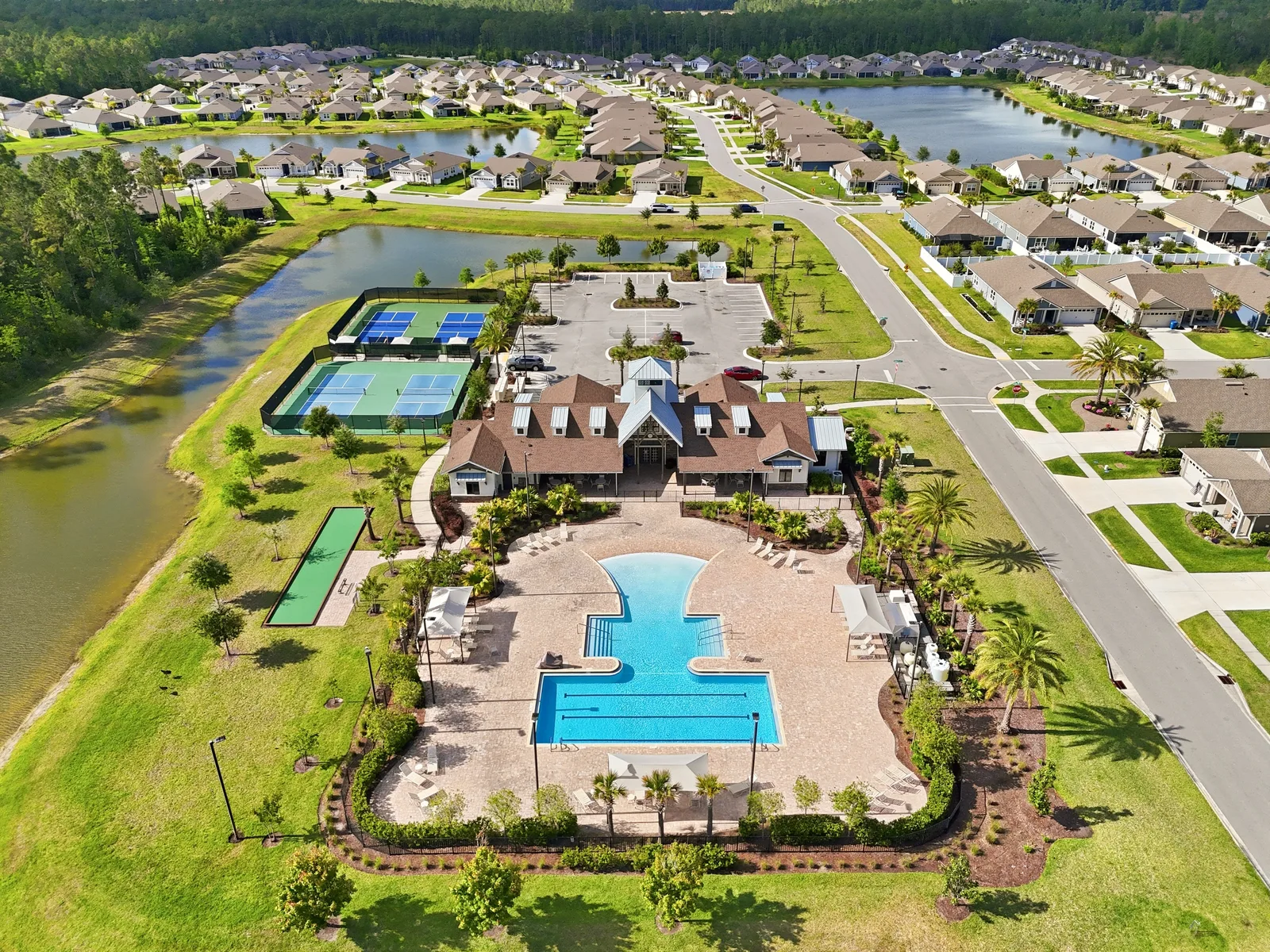
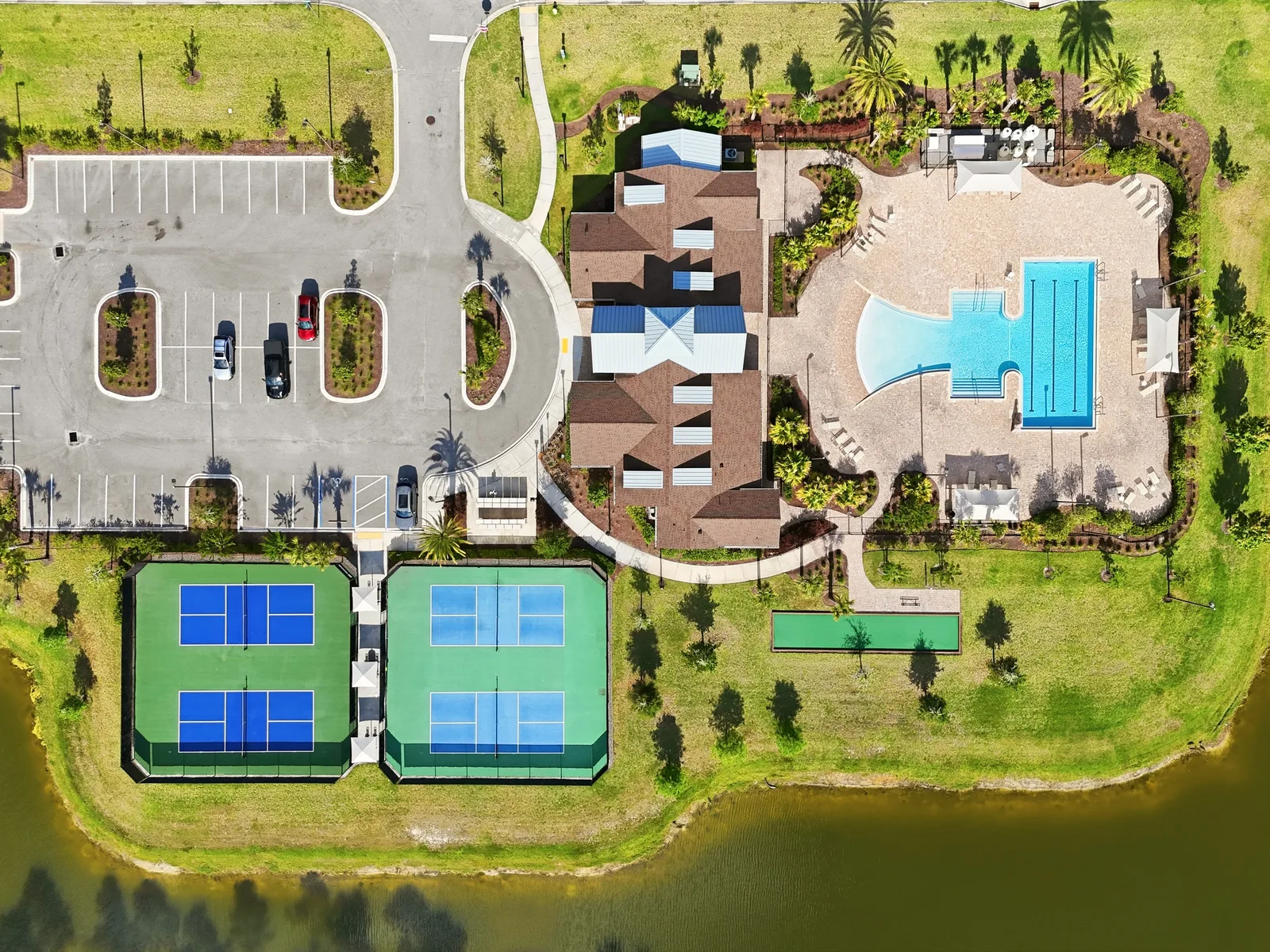
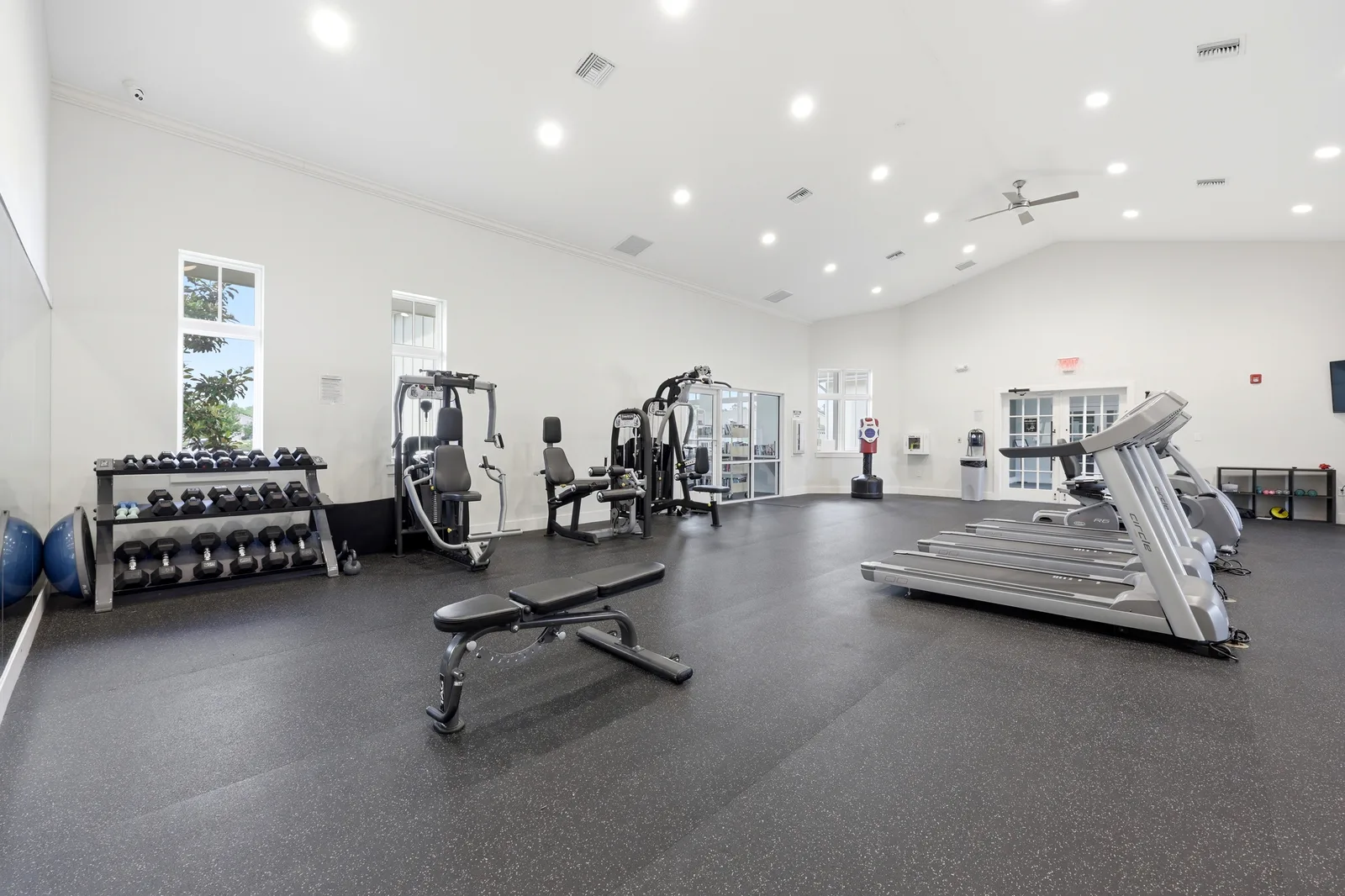
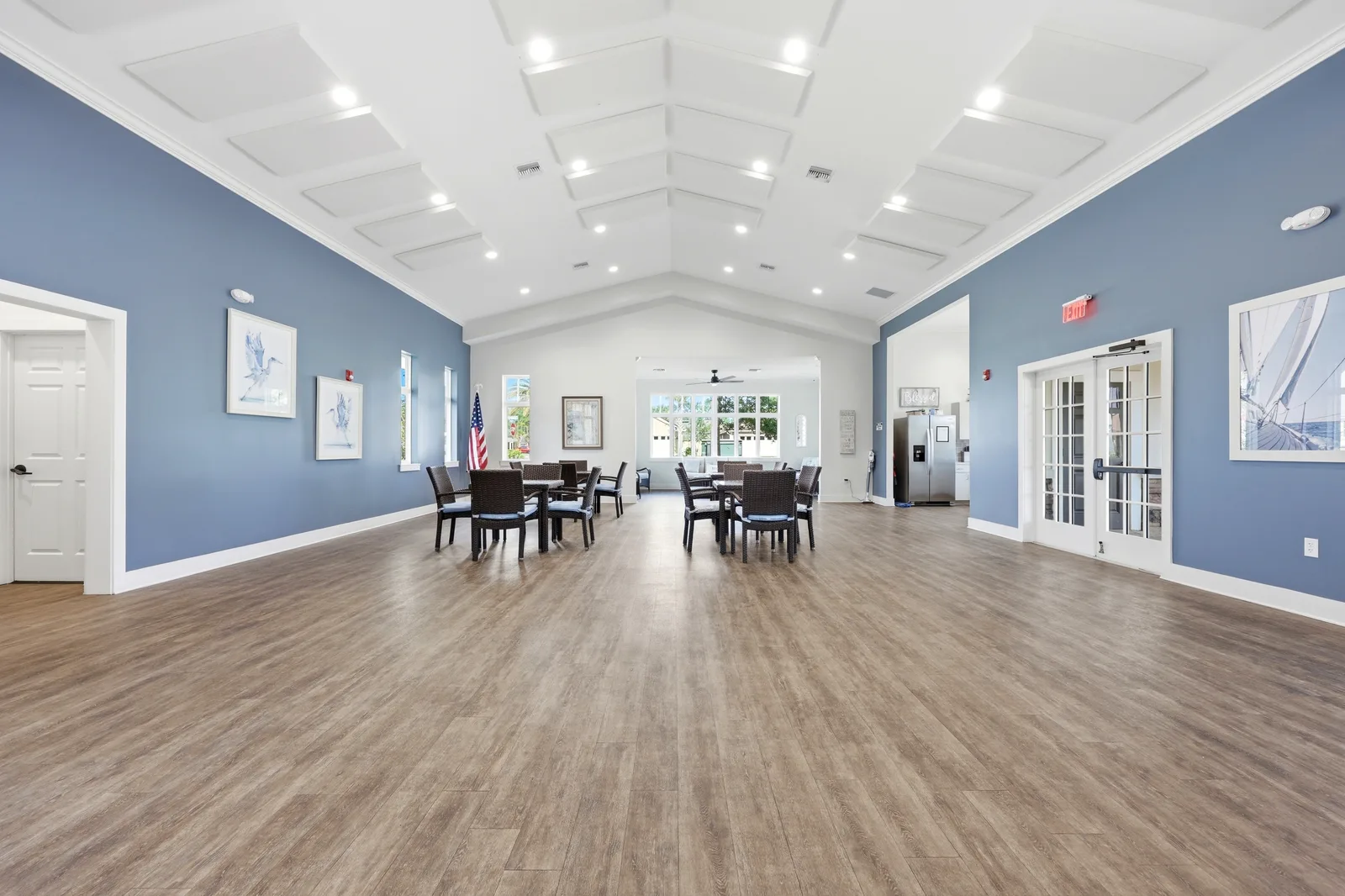
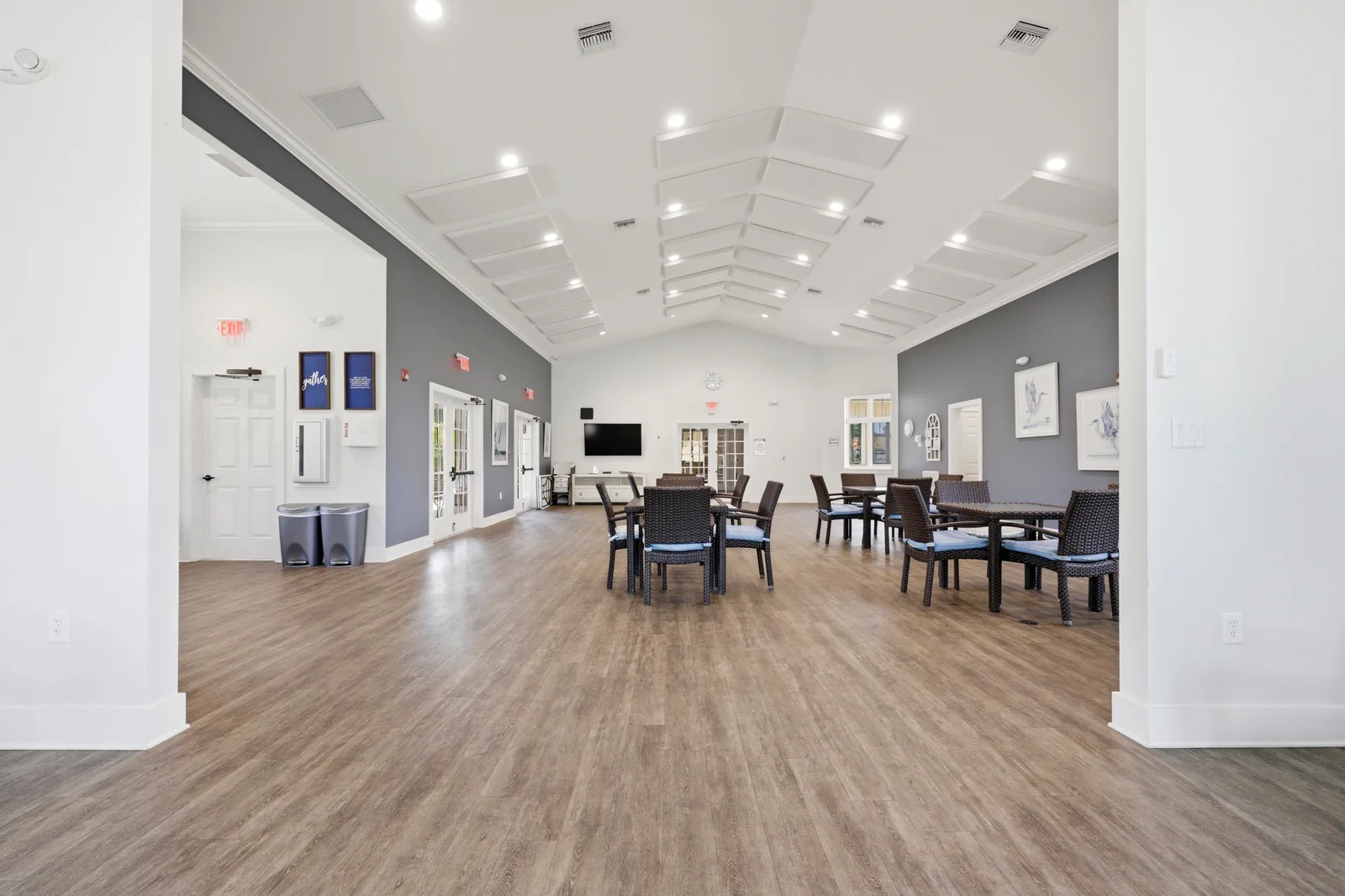
Parkland Preserve is a gated 55+ active-adult community of 367 single-story homes built by D.R. Horton's Freedom Homes division, starting in 2019, on roughly 275-290 acres off International Golf Parkway, about half a mile west of I-95 exit 323 in the World Golf Village area of northwest St. Augustine. The land plan is the first thing you notice: the homes thread through roughly 150 acres of preserved wetlands and ten lakes, so a high share of lots back to preserve or water rather than to a neighbor's lanai. Inside the gate are an amenity center with a fitness room and indoor activity space, a large pool with shaded deck areas, four pickleball courts, bocce, a dog park, and walking and biking trails through the wetlands. Every home is one story, 1,604 to 2,033 square feet, with an attached two-car garage.
The buy case is value: this is one of the least expensive ways to own a nearly-new single-family home in a gated St. Johns County 55+ community. New construction has sold out, so Parkland Preserve now trades as a resale community of two- to six-year-old homes, with mid-2025 third-party data showing asks roughly $388K to $470K, averaging around $425K, against a light HOA of about $220-$230 a quarter that recent listings show covering lawn care. The honest other half of the math is the community development district: about $3,924 per lot for FY2025 on the property-tax bill, part operations, part bond debt that amortizes to 2050.
The third thing to understand is the neighborhood's name-brand context. Parkland Preserve is marketed as a World Golf Village community, and the corridor delivers, two public championship courses, the Renaissance resort, and the Costco-and-Buc-ee's retail boom at the interchange, but the World Golf Hall of Fame itself closed in late 2023 and moved to Pinehurst, and the campus's redevelopment is unresolved. We cover what that actually means for a Parkland Preserve buyer, honestly, below. Short version: the things this community's value rests on, new homes, low entry price, I-95, healthcare, and the best school district in Florida underpinning the county, never depended on a museum.
The cheapest way to buy a nearly-new, single-story home behind a gate in St. Johns County's 55+ market, as long as you do the CDD math before you fall for the preserve view.
The Fee Stack: A Light HOA, a Real CDD, and How It Compares
Parkland Preserve's monthly math is the centerpiece of this guide, because it is both the community's best argument and its most misunderstood number. Start with the HOA: recent listings show dues around $220 to $230 per quarter, roughly $75 a month, which is one of the lightest association bills in the entire St. Johns County active-adult market, and MLS listings cite lawn and yard care among the inclusions. The HOA itself is deliberately thin: it enforces covenants, runs architectural review, and handles administration. We confirm the current amount and the exact lawn-care scope, what is mowed, how often, and whether beds and shrubs are included, with the association on every purchase, because the listing summary is not the budget.
The second layer is the one buyers miss: the Parkland Preserve Community Development District, established by St. Johns County in 2018. The CDD, not the HOA, owns and operates the gate, the amenity center and pool, the common-area landscaping, the streetlights, and the stormwater system, and it billed about $3,924 per lot for FY2025 on the November tax bill: roughly $1,861 of operations and maintenance (which floats with each year's adopted budget) plus about $2,063 of debt service on the Series 2019 bonds, which amortize all the way to 2050. The bond portion can generally be paid off early, some sellers have, and a paid-off lot is worth real money at resale, which is exactly the kind of line-item we verify on every specific home.
Add it up honestly: purchase price, plus roughly $900 a year of HOA, plus roughly $3,900 a year of CDD (FY2025; the O&M portion changes annually), plus taxes and insurance, and here Parkland Preserve claws back ground, because 2019-2024 construction is among the cheapest housing in Florida to insure, as we cover in the homes section. For a buyer comparing total monthly cost across the St. Johns 55+ market, this community usually pencils at or below the alternatives while being newer than almost all of them.
The Amenity Package: What the Value Price Buys, and What It Doesn't
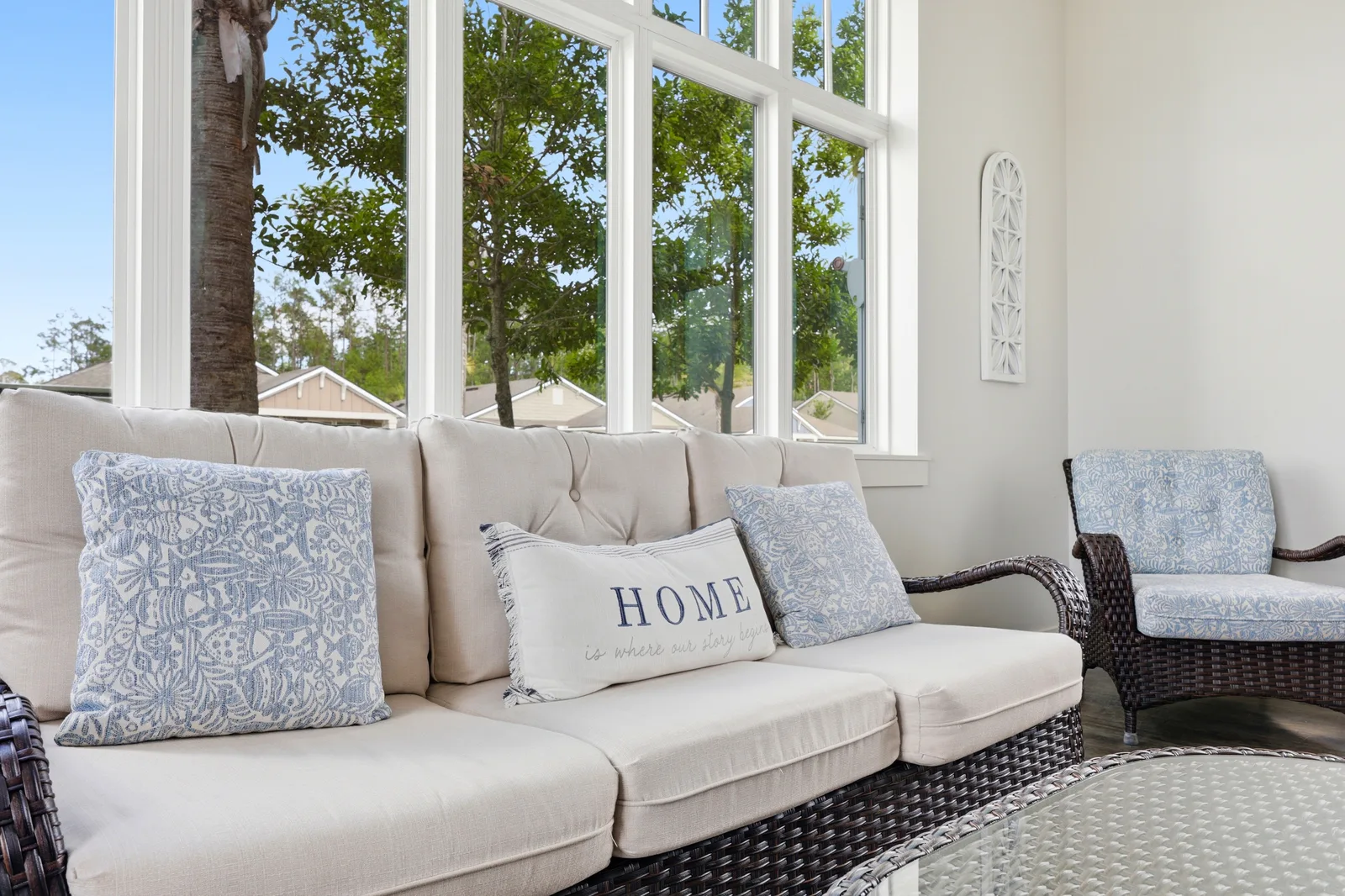
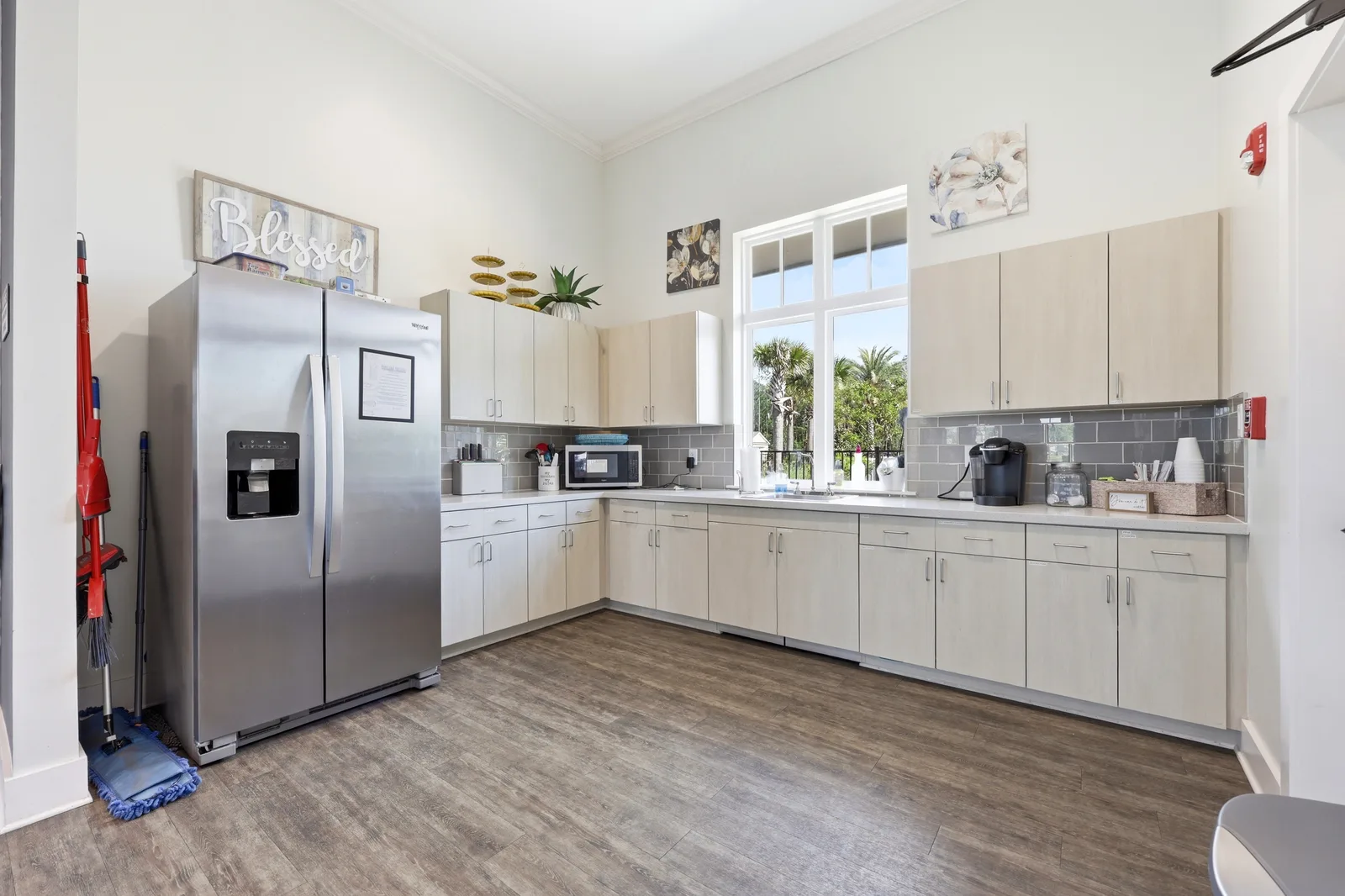
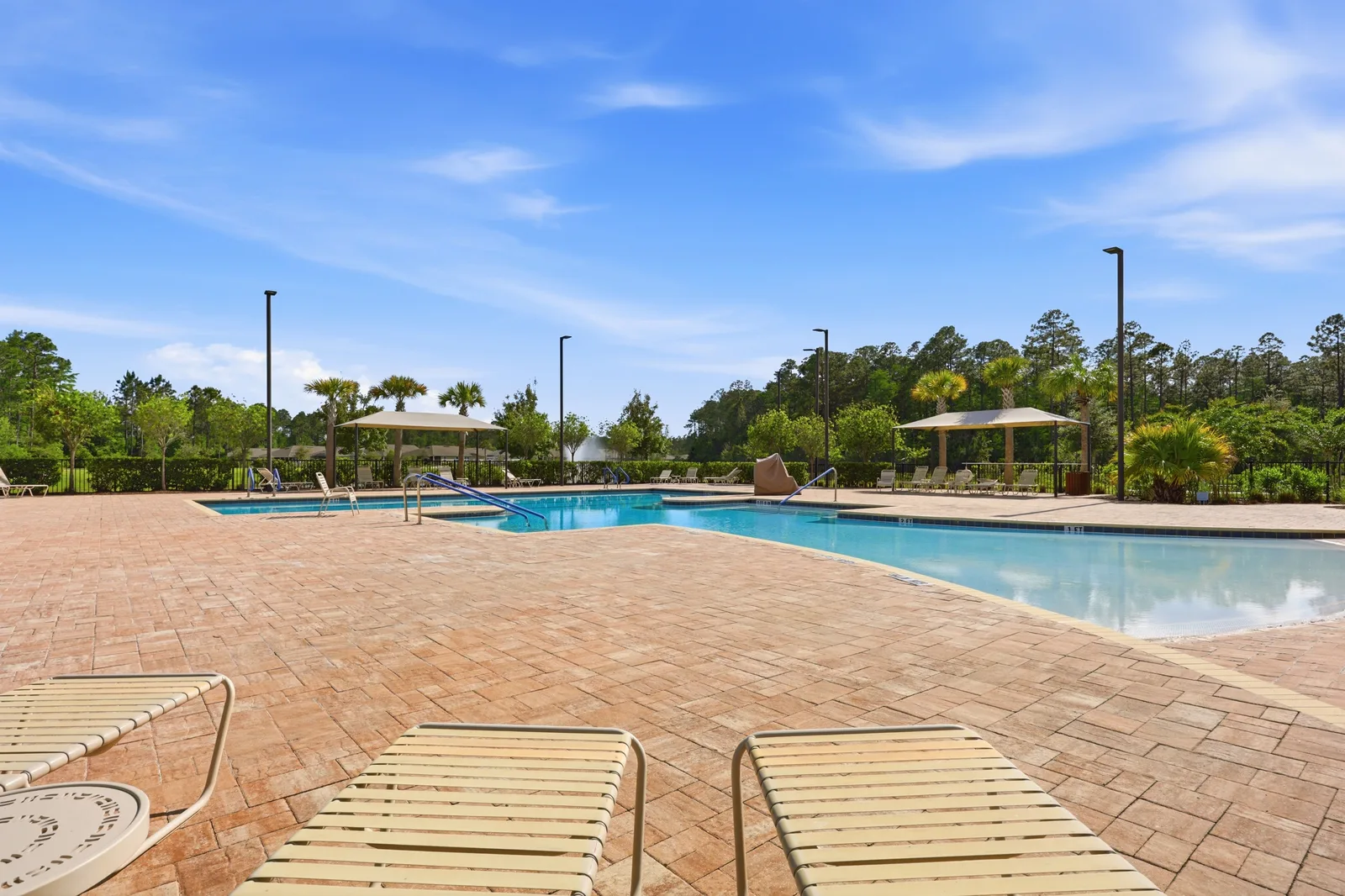
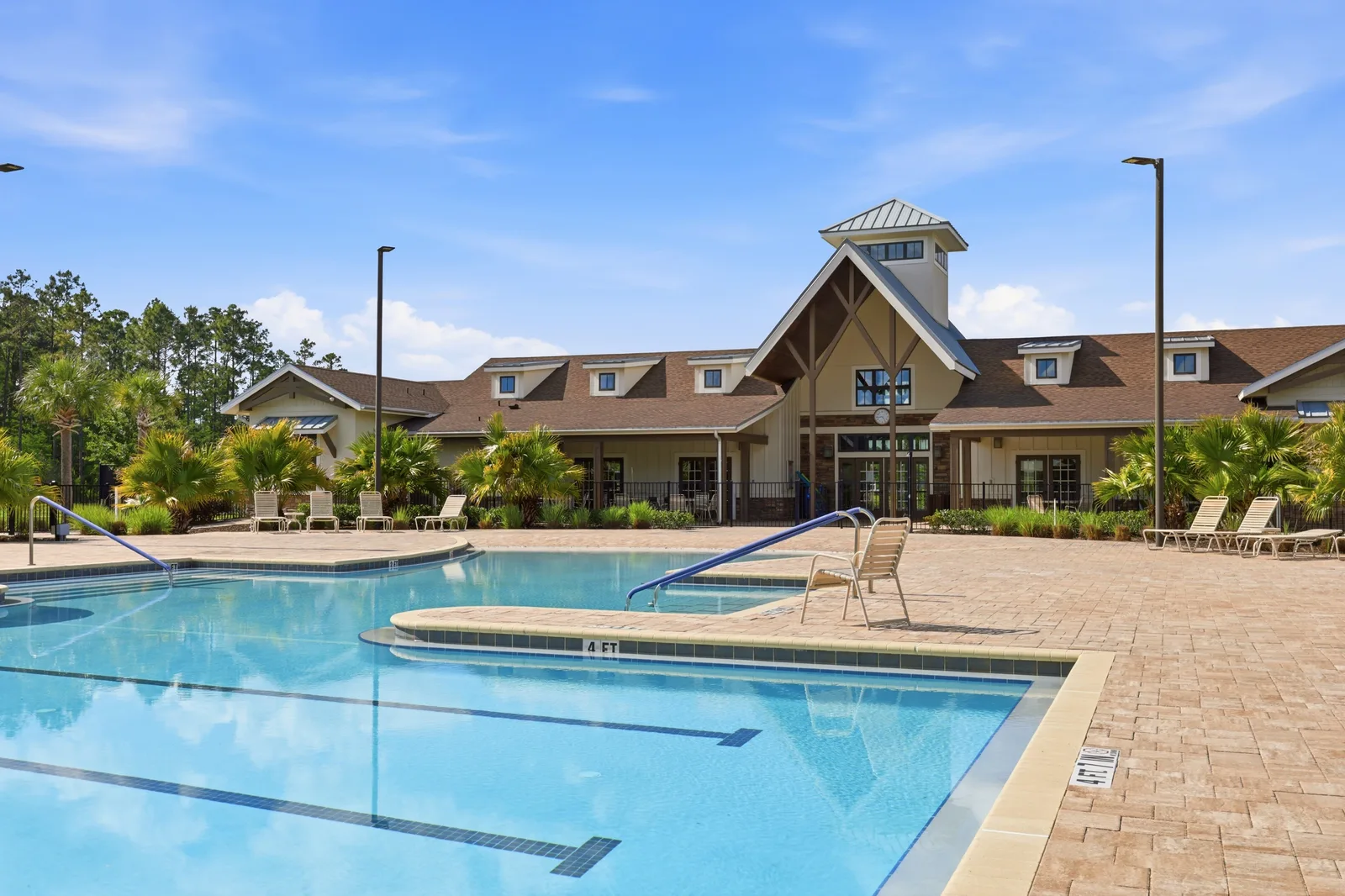
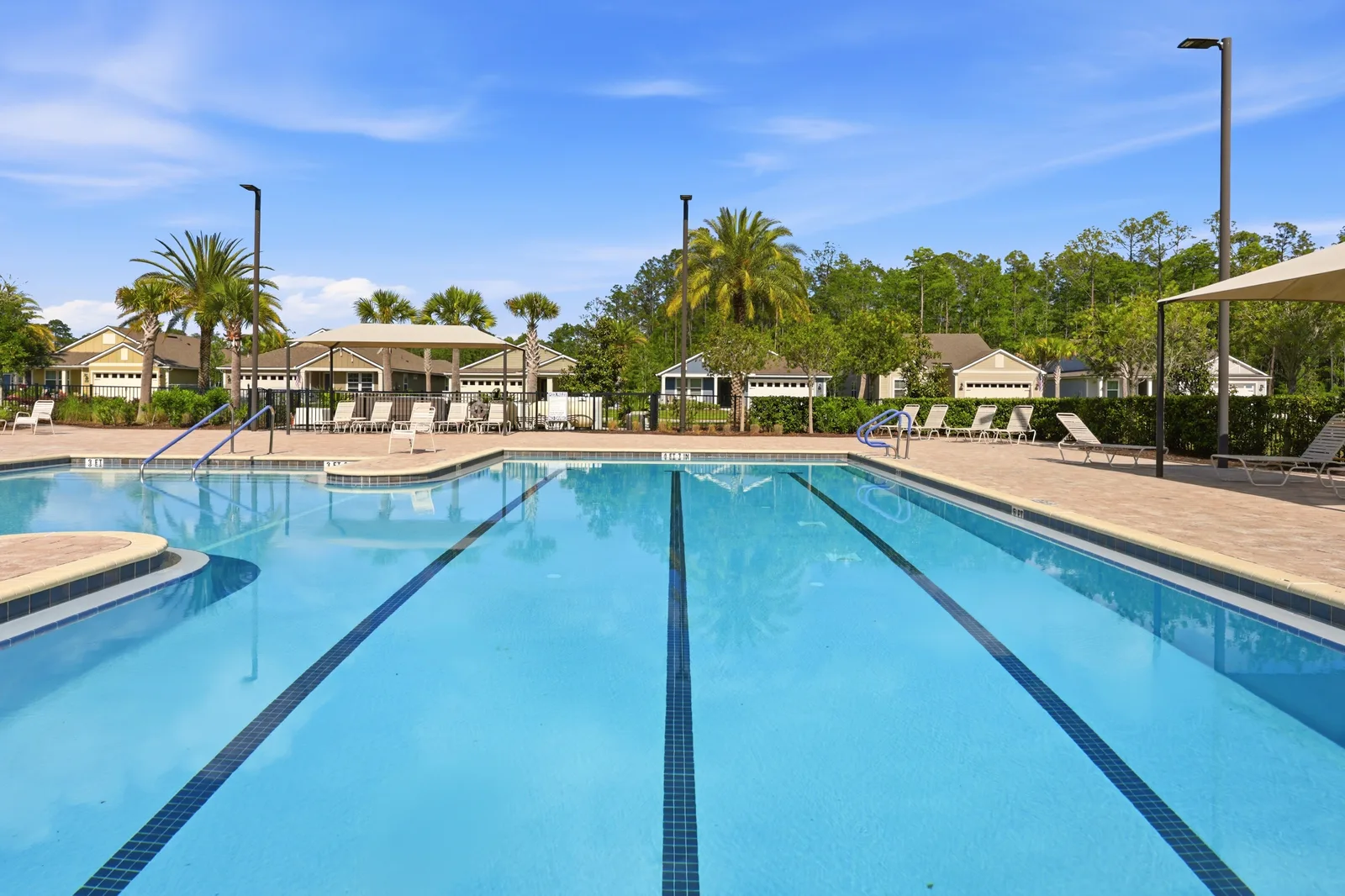
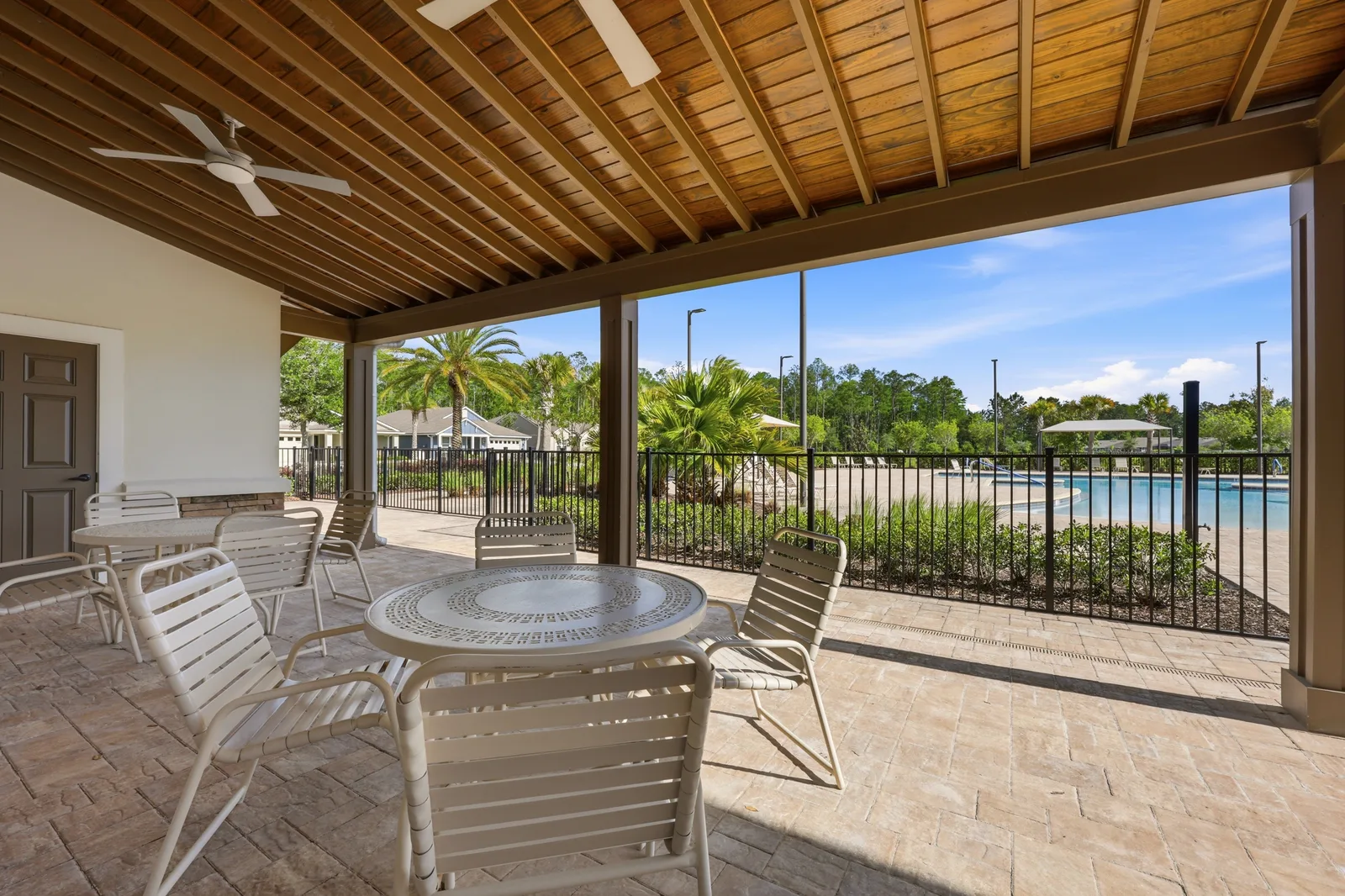
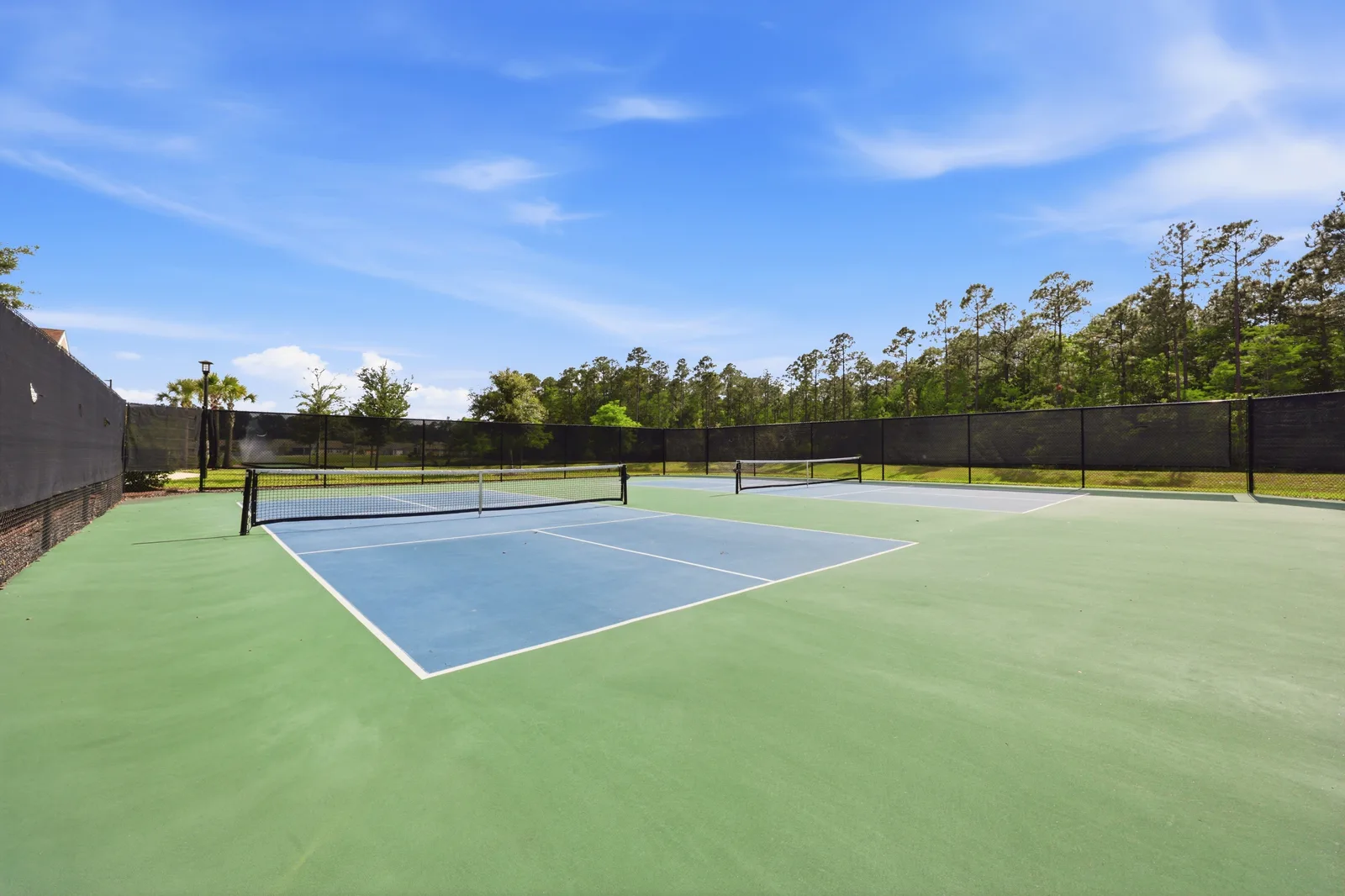
Parkland Preserve's amenities are genuinely good and deliberately right-sized, and you should understand both halves of that sentence. The hub is the CDD-owned amenity center: indoor activity and multipurpose space, a fitness center, and a large outdoor pool with shaded deck areas. Outside are four pickleball courts, the sport that actually organizes social life in Florida 55+ communities now, plus bocce and a dog park with activity stations. The quiet star is the land: walking and biking trails run through roughly 150 acres of wetland preserve and around ten lakes, a daily-use amenity that never needs a reservation and never raises the budget. The community has been marketed with lifestyle-director-led programming, clubs, events, and outings; as the community has transitioned from builder to residents, we confirm the current staffing and social calendar with the amenity operator before you buy the lifestyle.
Now the honest contrast, because most Parkland Preserve buyers cross-shop Del Webb. There is no indoor pool, no grand ballroom, no onsite restaurant or café, no tennis complex, no resident golf course. Del Webb Ponte Vedra's 38,000-plus-square-foot Anastasia Club and Stillwater's bundled golf-and-country-club model offer more, and charge for it every single month, forever, whether you use it or not. Parkland Preserve's bet is that most retirees actually use a pool, a gym, pickleball, trails, and a calendar of events, and would rather keep the difference. In our experience showing both, that bet fits a lot of buyers better than the brochure version of retirement does, but it is a real trade-off, and the right answer depends on how you genuinely live.
One more structural point: because the CDD owns the amenities, they are funded through the tax-bill assessment rather than the HOA, they are subject to public budgeting and an annual audit, and the residents who now control the CDD board set the service levels. That is more transparent than a private club, and it also means the O&M line can move as residents vote for more (or less) service, recent budgets added amenity management hours, janitorial, and events lines as the community matured. We read the current adopted budget, not last year's, before you close.
The Freedom Series Homes: Plans, Build Quality, and the Insurance Edge
Parkland Preserve is a four-plan community, which makes it unusually easy to comp and unusually important to buy the right lot. All four Freedom Series plans are single-story, 1,604 to 2,033 square feet, with two to four bedrooms, two to three baths, and an attached two-car garage. The Avon (~1,604 sq ft, 3/2) is the entry plan; the Clifton (~1,799 sq ft) adds a flex room that most owners run as an office or den; and the Elton (~2,033 sq ft) tops the lineup as the only plan with two owner's suites plus a third bedroom and bath, the multigenerational and guest-heavy favorite. Because D.R. Horton built these as production homes from 2019 to roughly 2024, the differentiation between two examples of the same plan is the lot, the view, the lanai (screened versus extended), and the option package, not the architecture.
Here is the advantage that does not show up in listing photos: age. These homes were built to current Florida building code, concrete block construction with modern wind-load engineering, hurricane protection, and roofs that are two to six years old. In a state where insurers are non-renewing older homes and pricing 15-year-old roofs like liabilities, nearly-new construction is one of the most underpriced advantages in Florida retirement real estate: wind-mitigation credits come standard, four-point inspections are a formality, and premiums routinely run far below what the same buyer would pay on a 1990s or 2000s home in an older 55+ community. The community is also inland of the coastal surge zones, though we pull the FEMA flood designation for every specific parcel, wetland-adjacent lots deserve that homework, and get a real quote on the actual home before you write.
The production-builder caveats apply and we apply them: D.R. Horton's structural warranty has years left on most of these homes, but we still inspect every resale fully, builder-grade finishes vary, settlement and stucco items show up in this build era county-wide, and the upgrade spread between a base-spec Avon and a loaded Elton is enormous at resale. The good news for buyers: with four plans and steady turnover, the comps are clean, and a softening market means the upgrade premium sellers paid D.R. Horton for is rarely fully recovered at resale, which is your negotiating room.
The World Golf Village Question: What's Actually Next Door in 2026
Parkland Preserve markets itself as a World Golf Village community, so you deserve the straight version of what that means now. World Golf Village was built in the 1990s around the World Golf Hall of Fame, which closed in late 2023 and relocated to Pinehurst, North Carolina; the IMAX shut with it. St. Johns County moved to acquire the core campus and solicited redevelopment proposals, advancing concepts in 2025, but a decades-old golf-use deed restriction on the land pushed the question into litigation, and as of this writing the campus's future is genuinely unresolved. Anyone who tells you they know what the empty landmark becomes is guessing, and we will not.
Here is what is actually operating within minutes of the Parkland Preserve gate: both championship golf courses. The Slammer & Squire (Bobby Weed with Sam Snead and Gene Sarazen) and the King & Bear, the only course Arnold Palmer and Jack Nicklaus ever co-designed, which reopened from a multimillion-dollar restoration in 2024. Both are run by Troon as public, pay-to-play courses with optional member programs, which is the important part for a Parkland Preserve buyer: you live five minutes from two championship courses with zero mandatory golf cost, no equity buy-in, no food minimum, no club dues anywhere in your fee stack, and you need no membership of any kind to play. The Renaissance resort and convention center still operate, and the I-95 interchange corridor has boomed, Costco, Buc-ee's, Bass Pro Shops, Publix, and a growing medical-office presence, the area around the community is adding services, not losing them.
What does the WGV transition mean for Parkland Preserve values? Less than the headlines suggest, and here is why: this community's pricing was never built on museum traffic. It is built on new single-story homes, the lowest 55+ entry price in the area, I-95 access, healthcare proximity, and St. Johns County itself, the school district and growth engine that keep the whole county's property values underpinned. Those drivers are intact. The honest risks are softer: an empty landmark a few minutes away is not a selling feature, and a stalled redevelopment caps the corridor's upside, while a well-executed one, golf-entertainment, medical, senior-living, all concepts that have been floated, would be a tailwind nobody is paying for today. We frame it the way we frame it for every WGV-area client: buy what exists, negotiate on what exists, and treat the campus outcome as a free option in either direction.
Schools, the 55+ Rules, and Who Can Actually Live Here
Parkland Preserve is an age-restricted 55+ community operating under the federal Housing for Older Persons Act (HOPA), the familiar 80/20 framework: at least 80% of occupied homes must have at least one resident aged 55 or older, which gives the association limited flexibility for the remaining share, younger spouses, and similar situations, governed by the recorded covenants. The practical questions we verify in the documents on every purchase: the minimum age for other permanent occupants, the rules for under-age inheritance or purchase, how long grandkids can visit, and the current rental policy. These rules are real, enforced, and amendable, so we read the current declaration, not a forum post.
Schools still deserve a paragraph even here: Parkland Preserve sits in St. Johns County, Florida's consistently top-ranked public school district, with the WGV-area pattern generally Mill Creek Academy (K-8, 9/10 on GreatSchools), Pacetti Bay Middle (8/10), and Tocoi Creek High (7/10). No, your address will not send anyone to school, occupancy is governed by the 55+ rules, but the district is a large part of why St. Johns County keeps outgrowing and out-appreciating its neighbors, and that demand engine is part of what you are buying underneath the community. It also matters for the family math many of our buyers actually run: the kids and grandkids who relocate to be near you will be choosing among the best public schools in Florida.
What It Is Actually Like to Live Here
Day to day, Parkland Preserve lives like a small, quiet, single-story town wrapped in wetlands, attached to one of the fastest-growing corridors in Northeast Florida. Mornings are walkers and bikes on the preserve trails and pickleball at the courts; errands are five minutes out the gate to Publix and Costco; weekends are the pool deck, a public tee time at the King & Bear, downtown St. Augustine in twenty minutes, or the beach in twenty-five. The questions below are the ones buyers actually ask us.
Is the gate staffed 24 hours?
Does the HOA really cover my lawn?
Is there a social scene, or is it quiet?
What about traffic and noise near I-95?
5 Mistakes Buyers Make at Parkland Preserve
We see the same avoidable errors in this community over and over. Each one costs real money.
Budgeting the $75 HOA and missing the $3,900 CDD
The HOA is genuinely light, but the CDD assessment, about $3,924 per lot for FY2025, rides the tax bill every year, part of it to 2050. We pull the exact current assessment and the bond-payoff status for the specific lot before you set your budget, not after.
Paying new-build upgrade prices on the resale market
Sellers who paid D.R. Horton for design-center packages rarely recover them fully at resale, and a softening market with 50+ days on market is not the place to pay ask for someone else's option sheet. Comp the plan against the plan and negotiate the upgrades.
Skipping the inspection because the home is nearly new
A 2021 build still gets a full inspection from us: builder-grade finishes, stucco and settlement items, HVAC service history, and warranty status. The D.R. Horton structural warranty may still have years left, and documenting issues now preserves your claims.
Buying the plan and ignoring the lot
With four floor plans, the lot is the asset. A preserve-backed or water-view homesite carries a premium that survives every market; an interior lot on the same plan is the discount tier and should be bought like it. The view is the one thing you cannot renovate.
Assuming the 55+ rules and amenities run themselves
Occupancy rules, rental policy, the lawn-care scope, and the amenity budget are all living documents in a young, resident-controlled community. We read the current declaration, HOA budget, and CDD adopted budget, because all three have changed since the brochure was printed.
Which Lots & Views Hold Value Best
In a four-plan community, the lot does the appreciating
Parkland Preserve's land plan is its luxury: roughly 150 acres of wetland preserve and ten lakes mean an unusual share of homes back to something permanent and green. Preserve-backed lots lead, protected, private, and birdsong-quiet, because conservation wetlands cannot be built on. Water-view lots over the lakes follow close behind. Corner lots trade on extra light, side yards, and guest parking. Interior lots are the discount tier, and the right answer there is to pay like it.
Within each tier, an extended and screened lanai facing the view is the upgrade that earns its money back, and the homes nearest the entrance carry the corridor's hum that deeper positions do not.
What to Check Before You Offer
Before you write an offer on any Parkland Preserve home, run this list. Each item moves money.
- Current CDD assessment and bond status: the exact FY amount for the lot, the O&M trend, and whether the Series 2019 bond portion has been prepaid.
- Current HOA dues and lawn-care scope: the amount, what yard care actually includes, and the last few budgets' trend.
- 55+ occupancy and rental rules: the recorded declaration's age, occupancy, and leasing provisions, read for your exact household.
- Insurance quote on the actual home: wind-mitigation report, roof age, and the FEMA flood designation for the specific parcel.
- D.R. Horton warranty status: what structural coverage remains, any claims history, and documented builder punch items.
- Full inspection regardless of age: stucco, settlement, HVAC service history, and drainage on wetland-adjacent lots.
- Lot and noise reality check: stand on the lanai, confirm what it faces, and listen for the I-95 corridor at peak hours.
- Comps by plan, lot tier, and upgrade level: same-plan, same-view sales and current closed-versus-ask spreads, not the blended average.
Parkland Preserve is the community I point to when a buyer says they want the 55+ lifestyle in St. Johns County but the Del Webb total monthly number makes them wince. You get a nearly-new single-story home behind a gate, lawn care in a $75-a-month HOA, a pool, a gym, four pickleball courts, and trails through real wetlands, for one of the lowest entry prices in the county's active-adult market. The catch is that the savings are partly an illusion until you add the CDD back in: roughly $3,900 a year on the tax bill, part of it bond debt to 2050. Run the full stack and it is still competitive, often the winner, but run the full stack.
The other thing I tell every buyer here: in a community with four floor plans, the lot is your investment decision. The preserve and lake lots are why this place photographs the way it does, and they are what holds value when the market softens, which it has. Buy the view, negotiate the upgrades, verify the bond, and treat whatever finally happens at the World Golf Village campus down the road as a free option, because nothing in this community's value depends on it.
Parkland Preserve vs. The Alternatives
Most Parkland Preserve buyers are cross-shopping the rest of the St. Johns County 55+ market. Here is the honest shorthand, with our full guides linked.
| Community | How it compares to Parkland Preserve |
|---|---|
| Cascades at WGV | The original WGV 55+ community: mid-2000s homes, a larger clubhouse with indoor and outdoor pools and tennis, and a ~$400/month HOA with no CDD. Older homes (and older-home insurance) versus Parkland Preserve's newer builds and split HOA-plus-CDD stack; the all-in monthlies land closer than the HOA stickers suggest. |
| Del Webb Ponte Vedra | The region's flagship active-adult brand inside Nocatee: the 38,000+ sq ft Anastasia Club, indoor pool, dozens of clubs, and a beach-side address, with a bigger HOA, a Nocatee-area CDD, and meaningfully higher prices. More of everything, costing more every month, forever. |
| Stillwater | Lennar's gated 55+ golf community with an 18-hole course and country-club amenities bundled into the dues, which run several times Parkland Preserve's HOA. The right choice if golf is your daily life; expensive if it is not. |
| King & Bear | WGV's guard-gated, all-ages estate side around the Palmer-Nicklaus course: bigger homes, bigger lots, a staffed gate, and a different budget. For buyers who want WGV prestige rather than a 55+ value play. |
| The Legends at WGV | The gated all-ages condo community near the WGV core: a ~$195K median and a ~$500 condo fee covering utilities and the building. The lock-and-leave budget alternative, flats instead of houses, no age restriction, and condo-association homework instead of a CDD. |
The pattern: Parkland Preserve is the newest housing stock at the lowest single-family entry price in the area's 55+ market, with a right-sized amenity package and a fee stack that is competitive once you count the CDD honestly. Buyers who want the full resort-and-clubs machine graduate to Del Webb; daily golfers go to Stillwater; buyers who want no CDD and do not mind 2000s-era homes weigh Cascades; and Reverie at TrailMark and Del Webb's newer St. Johns-area communities round out the new-construction alternatives we tour against it.
The Honest Trade-offs
What Parkland Preserve gets right
- Nearly-new (2019-2024) single-story homes with a genuine insurance advantage
- One of the lowest entry prices in the St. Johns 55+ single-family market
- A light ~$220-$230/quarter HOA with lawn care cited in listings
- Preserve and lake lots: ~150 acres of wetlands, ten lakes, trails through both
- Pool, fitness, four pickleball courts, bocce, dog park inside the gate
- Five minutes to I-95, Costco-corridor retail, and two public championship courses
What to go in eyes-open about
- A ~$3,900/year CDD on the tax bill, with bond debt amortizing to 2050
- Right-sized amenities: no indoor pool, ballroom, onsite dining, or resident golf
- Electronic card-access gate, not a 24-hour staffed guardhouse
- Four production plans: the lot, not the house, does the differentiating
- The WGV campus next door is empty and its redevelopment is unresolved
- A softening market: good for buyers now, patience required for sellers
The Parkland Preserve Buyer's Playbook
If we were buying at Parkland Preserve ourselves this year, this is the play, in order.
- Pick the plan first, then hunt the lot: decide Avon, Clifton, or Elton sizing, then wait for the right preserve or water lot in that plan.
- Run the full fee stack before you fall in love: HOA plus the current CDD assessment plus a real insurance quote, against every community on your shortlist.
- Check the bond: a lot with prepaid Series 2019 debt is worth real money; price it in either direction.
- Negotiate the upgrades, pay for the position: design-center packages depreciate; preserve views do not.
- Use the market's patience: with 50+ median days on market and steady resale supply, comp hard, offer below ask where the data supports it, and ask for concessions.
Questions We Ask Before You Offer
These are the questions a Momentum agent puts to the associations, the district, and the documents on every Parkland Preserve purchase, because the listing agent works for the seller, and nobody volunteers this.
- What is the current CDD assessment for this exact lot, what did the adopted budget do to O&M, and is the bond prepaid?
- What are the current HOA dues and exactly what lawn care is included, in the contract, not the listing remarks?
- What do the recorded 55+ occupancy rules say about younger occupants, inheritance, visitors, and leasing, for this household?
- What does insurance actually cost on this home, with the wind-mitigation report and the parcel's flood designation in hand?
- What remains of the builder warranty, and is there any claims, stucco, or settlement history on this home or street?
- What have same-plan, same-lot-tier homes actually closed for in the last six months, versus what they asked?
Is Parkland Preserve Right for You?
No community fits everyone, and the fastest way to a bad purchase is forcing the wrong one. Here is the honest sort.
Consider elsewhere if you want
- A big-resort amenity machine: indoor pool, ballroom, onsite dining, forty clubs
- A 24-hour staffed guardhouse rather than an electronic gate
- Golf bundled into your community and your dues
- No CDD on your tax bill, period
- Custom or semi-custom architecture rather than four production plans
- An all-ages neighborhood with kids and multigenerational neighbors
Parkland Preserve fits if you want
- A nearly-new, single-story, low-maintenance home behind a gate
- The lowest realistic single-family entry into the St. Johns 55+ market
- Lawn care handled and a light HOA, with the fee stack run honestly
- Pickleball, a pool, a gym, and wetland trails you will actually use
- Two public championship courses nearby with zero mandatory golf cost
- I-95, healthcare, St. Augustine, and Jacksonville all within easy reach