
Mcginley Landing
Homes for Sale in Ocala, FL
True comps, carrying-cost math, and listings before the portals.
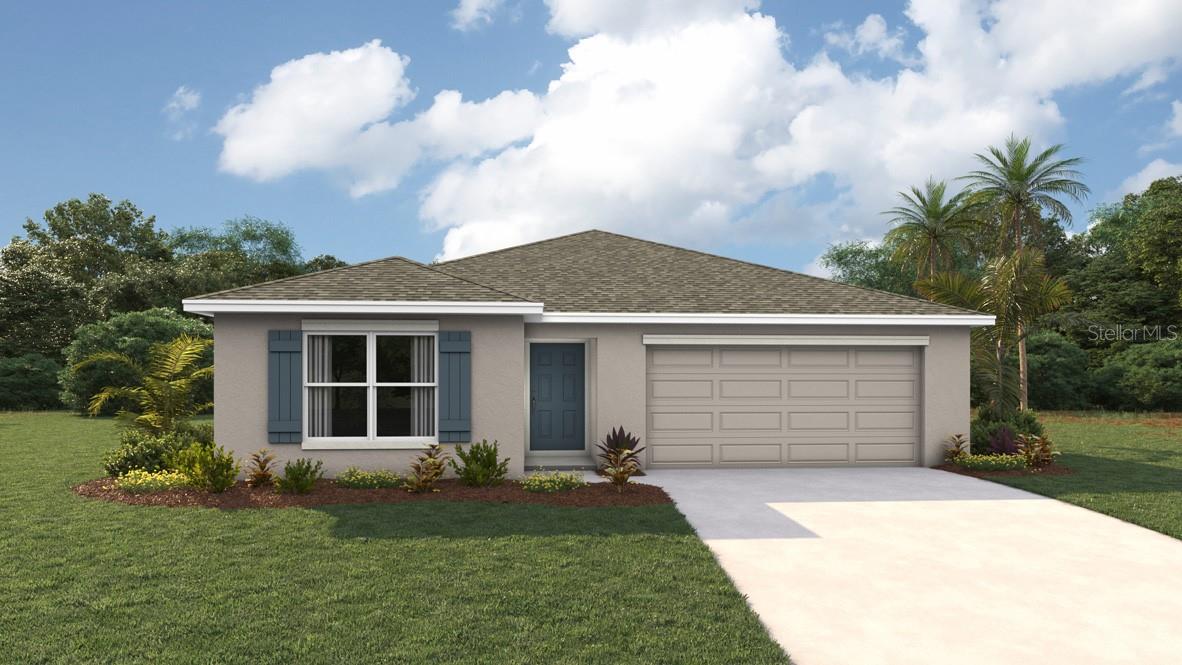
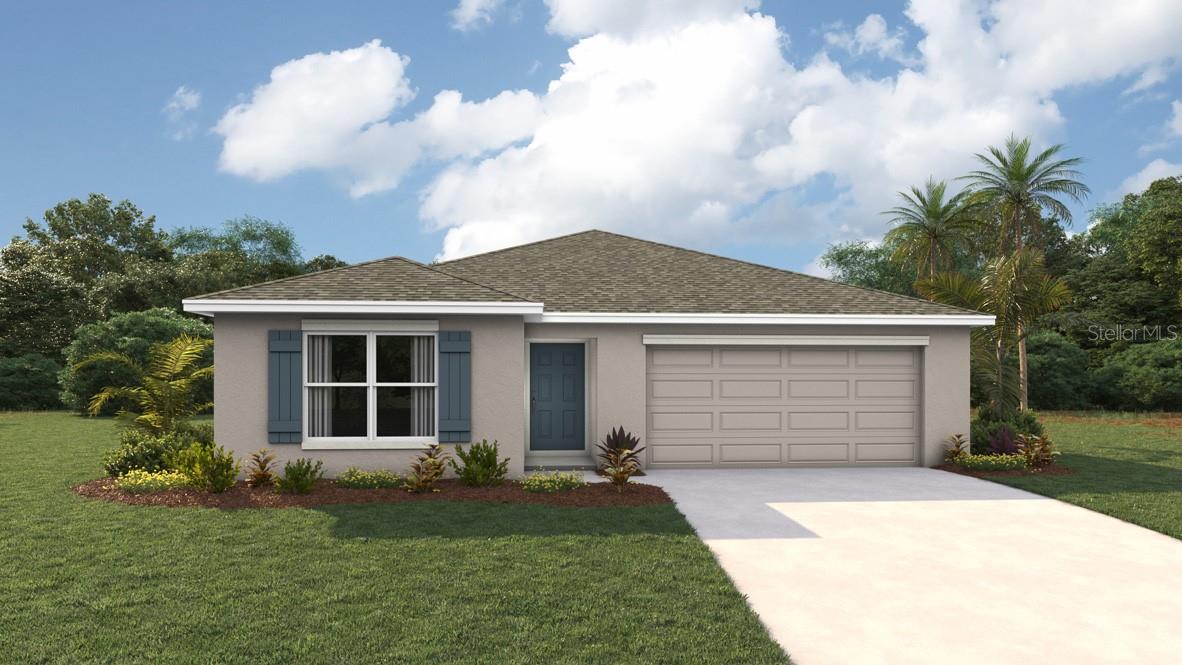
Photo via Stellar MLS
Homes For Sale Right Now in Mcginley Landing
Live MLS inventory for Mcginley Landing. Every active listing, what is under contract right now, and the last 12 months of closed sales, refreshed twice a day. Closed comps beat an algorithm's guess every time.
Active · 2 daysTop listing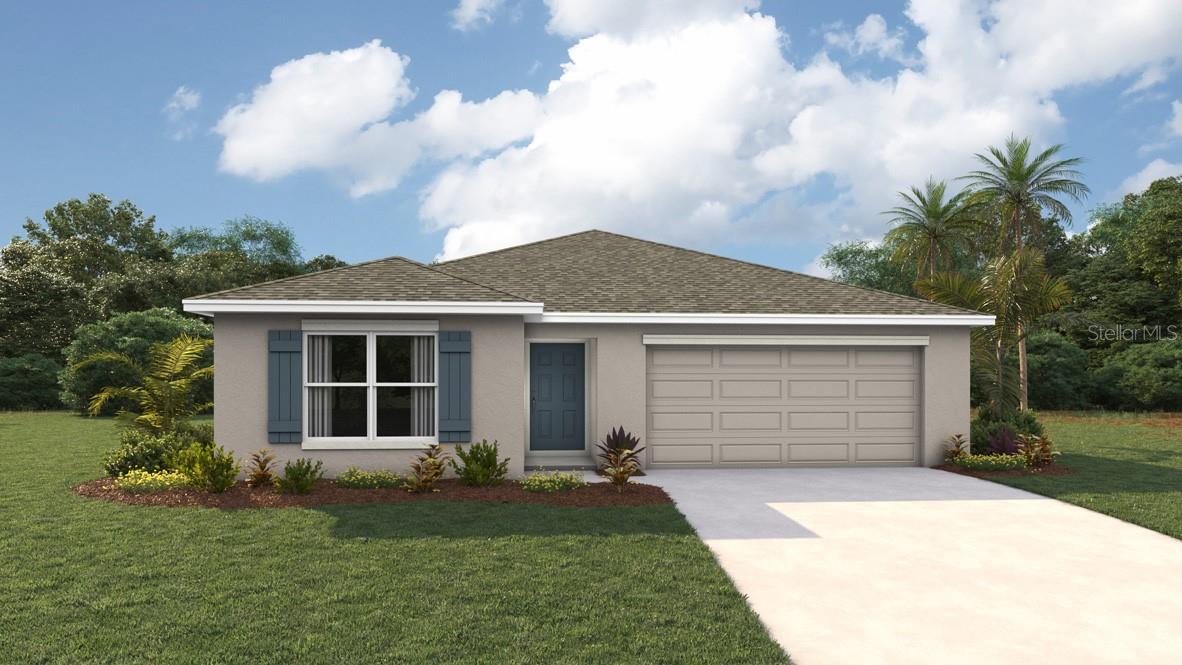 Active · 9 days
 Active · 72 days
 Active · 56 days
 Active · 92 days
 Active · 56 days
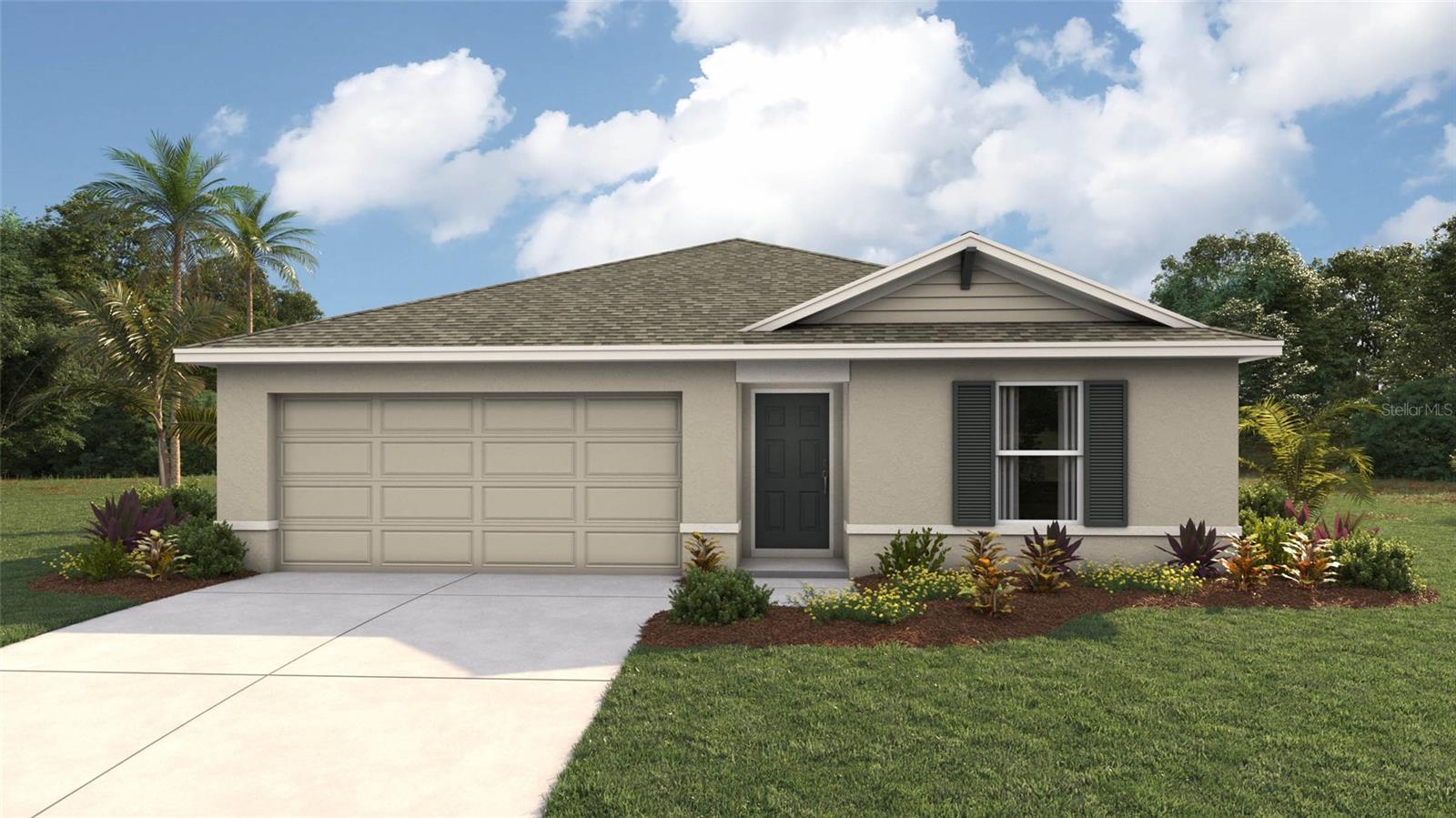 Active · 35 days
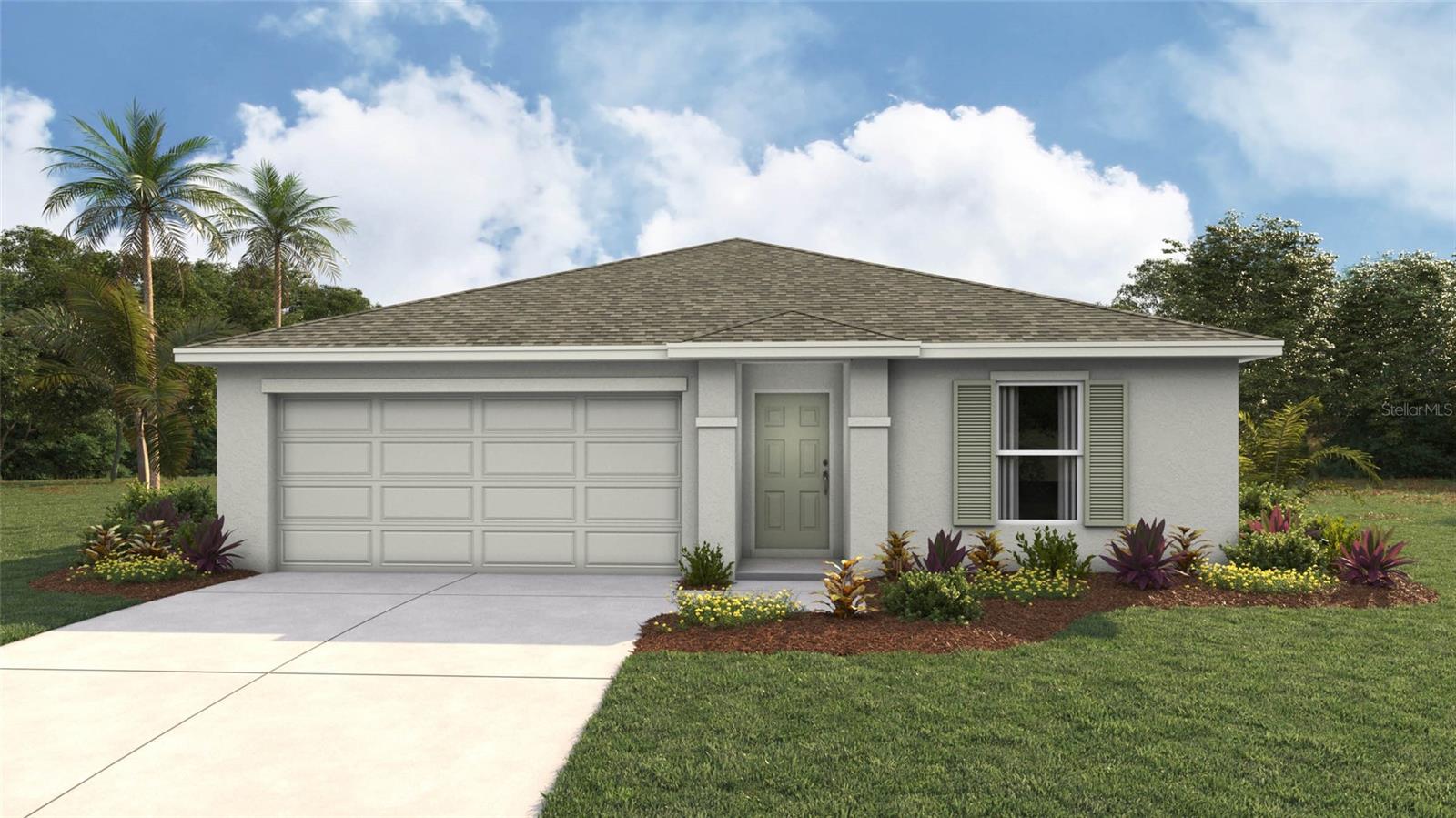 Active · 9 days
 Pending · 4 days
 Pending · 3 days
 Pending · 59 days
 Pending · 25 days
 Pending · 62 days
 Pending · 50 days
Active and pending Mcginley Landing listings as of 2026-10-23, priced high to low. Based on Stellar MLS data distributed by MLS GRID for the period 2025 through 2026. Tap any home to ask about it.
The 60-Second Overview
Mcginley Landing market snapshot (as of August 2, 2026): the median sale price is about $288K ($161 per sq ft over the trailing 12 months of closed sales), and a median 53 days on market for closed sales.
Mcginley Landing is a community of 217 homes in Ocala, Marion County, built between 1988 and 2024 (median 2008), with a median living area of about 1,658 square feet. 49% of parcels are homesteaded, the owner-occupancy proxy in the Florida DOR assessment roll (2025 roll, public records).
The setting & the homes.
Aerial and on-site photos of Mcginley Landing. Swipe to explore the community.
Swipe or use the arrows → tap any photo to enlarge
Mcginley LandingMcginley LandingMcginley LandingMcginley LandingMcginley LandingMcginley LandingMcginley LandingMcginley LandingPhotos from Stellar MLS listings in Mcginley Landing; content deemed reliable but not guaranteed.
Price History: What Homes Here Have Actually Sold For
Median sale price over the trailing 12 months ending August 2 of each year, from record-level Stellar MLS closed sales. Same methodology as every appreciation figure on this page: the 2026 point ($288K) IS the median in the snapshot above.
Windows contain 0 to 35 sales each (35 in the current window); every figure carries its sample size. Based on Stellar MLS data distributed by MLS GRID for the period 2025 through 2026. Deemed reliable but not guaranteed.
31% of homes for sale in ZIP 34473 are already under contract (under contract ÷ under contract + active listings) — a read on how much of the available inventory buyers have already claimed. Source: MLS data (2026-08-01).
Mcginley Landing Market Scorecard
Mcginley Landing is currently a balanced market., and homes go under contract in about 56 days.
Go deeper: ZIP market scorecard · county scorecard · true cost calculator · affordability calculator.
Live data: Stellar MLS, refreshed twice daily. Market metrics only; these describe homes for sale and recent sales, not residents.
Mcginley Landing on the map.
Every active, pending, and recently sold home, plotted. Toggle the layers and tap a home for the details.
Listing locations from Stellar MLS. Map data © OpenStreetMap contributors.
Schools
- Marion County Public Schools
- Verify the zoned schools by address
- Magnet and choice options may be available
- Marion Oaks Elementary School · Elementary
- Horizon Academy/Mar Oaks · Middle
- South Marion High School · High
Zoned schools reflect the assignments reported on recent Mcginley Landing listings and can change; always confirm with Marion County Public Schools for a specific address.
Buying with schools in mind? We can confirm the exact zoned schools for any Mcginley Landing address.
Recent Developments in Mcginley Landing
Development, infrastructure, retail, and school activity affecting Mcginley Landing, tracked by our team and summarized from public reporting and official sources, with links to the original coverage. Last updated October 2026.
- August 2026Schools
Marion County School Board largely approves plan to replace 11 aging schools and close four over five years
On August 11, 2026 the school board approved most of its Future-Focused Operations Plan, which replaces 11 facilities, closes four schools and removes 86 portable buildings. Belleview and Belleview-Santos elementaries would combine in a new southeast school, and Sparr, Anthony and Reddick-Collier would merge into a new north-end elementary opening in 2029-30. A replacement Lake Weir Middle is slated for 2027-28, and the Wyomina Park Elementary rezoning decision was delayed.
What it may mean for the marketSchool attendance zones and campus locations will shift over the next five years, which affects school access for neighborhoods in Belleview, north Marion and central Ocala. The site is about 12 miles northeast of Mcginley Landing.
Source: Central Florida Public Media - May 2026Development
Leena Ocala breaks ground with 360 apartments and townhomes near Ocala International Airport
Merrimac Ventures broke ground on Leena Ocala, a 360-unit garden-style community with 300 apartments and 60 townhomes at Southwest 60th Avenue and Southwest 52nd Street in southwest Ocala, with first deliveries expected in late 2027 and full completion around 2028.
What it may mean for the marketA new rental community of this size adds housing near the airport and the Southwest 60th Avenue corridor, a factor that can influence demand for nearby Ocala communities. The project is about 8 miles north of Mcginley Landing, elsewhere in Marion County.
Source: Florida YIMBY - May 2026Development
Ocala approves large mixed-use development with up to 2,700 residences in southwest Ocala
The Ocala City Council approved a mixed-use development on about 251 acres along Southwest 43rd Court in southwest Ocala, clearing the way for up to roughly 2,700 residential units along with nearly one million square feet of commercial, office, and retail space.
What it may mean for the marketA mixed-use community of this scale adds substantial future housing and commercial space to southwest Ocala, the kind of growth that can shape demand and pricing for nearby communities. The site is about 8 miles north of Mcginley Landing.
Source: Ocala-News - December 2025Retail & Dining
New Publix-anchored shopping center planned in Marion Oaks
A Publix-anchored shopping center is planned at Southwest Highway 484 and Southwest 49th Court Road in the Marion Oaks area south of Ocala, adding grocery and retail to a fast-growing part of Marion County.
What it may mean for the marketA new grocery-anchored center adds everyday retail to the Marion Oaks area, the kind of amenity that shapes convenience and demand for nearby communities. The site is about 2 miles northeast of Mcginley Landing.
Source: 352today - December 2025Retail & Dining
Raising Canes to open on Southwest College Road in Ocala
A Raising Canes restaurant is planned at 2410 Southwest College Road in the Ocala West shopping plaza along the State Road 200 corridor, adding a dining option in a busy retail area.
What it may mean for the marketA new restaurant along the State Road 200 corridor adds to the dining and retail mix that shapes daily convenience for nearby Ocala communities. The project is about 9 miles north of Mcginley Landing, elsewhere in Marion County.
Source: 352today - December 2025Infrastructure
Second downtown parking garage planned to open in Ocala in 2026
Downtown Ocala Parking Garage No. 2 at 55 Southwest 3rd Avenue is expected to open in the summer of 2026, adding public parking capacity to support the growing downtown core.
What it may mean for the marketNew public parking supports downtown Ocala growth and access, part of the infrastructure that shapes activity around nearby communities. The project is about 12 miles north of Mcginley Landing, elsewhere in Marion County.
Source: 352today
Summaries reflect public reporting and official sources linked above as of the dates shown. Project details, timelines, and approvals can change. Commentary on potential market effects is general observation, not investment advice or a prediction for any specific property. For the freshest items across the whole region, see This Week in Northeast Florida.
The Mcginley Landing buying strategy.
If we were buying in Mcginley Landing today, this is the order of operations we would run for our clients.
Underwrite the condition first. Price the roof, HVAC, and systems honestly before judging any list price; condition swings value here more than square footage alone.
Match the home to real comps. Recent sales of similar condition and lot, not the asking price, tell you what a home is worth.
Move deliberately, not desperately. Neither side has a decisive edge, so a well-prepared, fairly-priced offer wins without overpaying.
Line up financing and inspection early. A pre-approval and an inspection plan let you act fast and negotiate from evidence.
Keep an agent in your corner. The listing agent works for the seller; we represent you and prepare a hand-built valuation before any offer in Mcginley Landing.
A closer look at the Mcginley Landing market
At a median of $161 per square foot, Mcginley Landing prices sit in a fairly defined band, so condition and updates — more than the list price — tend to separate one home from the next.
The housing stock is 217 homes built between 1988 and 2024, and 49% of parcels are homesteaded — the owner-occupancy proxy in the Florida DOR assessment roll.
The location and the amenities are priced into every listing in Mcginley Landing. The deal is won or lost on condition, the comps, and the renovation math.
Tools for a Mcginley Landing buy.
Free calculators to pressure-test the real cost before you tour.
Selling here is won on condition and pricing to real comps, not an automated estimate. The right number comes from closed Mcginley Landing sales matched to your home.
Price it to the comps and condition, not an automated estimate.
If you are thinking about selling in Mcginley Landing, the right list price comes from recent comparable sales matched to your home's condition and location, not an automated estimate.
What is your Mcginley Landing home worth?
Get a no-obligation home value based on real comparable sales in Mcginley Landing, not an automated guess. Tell us about your home and we will personally prepare your numbers and a pricing strategy. No obligation, no spam.
See homes for sale in Mcginley Landing on the map →
Frequently Asked Questions
What is the median home price in Mcginley Landing?
How long do homes in Mcginley Landing take to sell?
How many homes are in Mcginley Landing?
What share of Mcginley Landing is owner-occupied?
When were the homes in Mcginley Landing built?
Do cash buyers compete in Mcginley Landing?
Who is the best real estate agent for Mcginley Landing?
How do I find a top Ocala real estate agent who knows Mcginley Landing?
Can Momentum Realty connect me with an agent for Mcginley Landing?
Nearby Communities
Explore more neighborhoods near Mcginley Landing with Momentum Realty’s local guides.
Data sources & freshness
| Live listings | Stellar MLS, refreshed twice daily (last: October 23, 2026) |
| Community market stats | Stellar MLS closed sales, 12-month windows ending August 2, 2026 |
| Housing stock & ownership | Florida DOR assessment roll (street-list match (3 streets, ZIP 34473)) |
| Under-contract shares | Stellar MLS records, as of 2026-08-01 |
| Historical depth | Closed-sale records back to 2025 (35 transactions analyzed) |
Verify the primary sources yourself: Florida DOR · U.S. Census · FEMA flood maps · Citizens Property Insurance.
Momentum Research figures are our own analysis of Stellar MLS records; MLS data is deemed reliable but not guaranteed. Methodology: how Momentum market scores are computed. Market metrics describe homes for sale and recent sales, not residents.
Own a home here?
You just read the data. Now see what your home is worth.
The numbers on this page move markets in the aggregate. The number that matters to you is what a buyer pays for your address. Momentum sells for 1.25% above the Stellar MLS member average and 8 days faster, and we’ll price yours against live local comps.
Looking to buy here? Search homes for sale →
What’s your home worth in your area?
A real valuation with real comps from a local listing agent, not an instant algorithm. Response within one business day.
See how MCGINLEY LANDING fits the bigger picture — live prices, inventory, and Momentum Scores: