

Palatka North Historic District
Homes for Sale in Putnam County, FL
True comps, carrying-cost math, and listings before the portals.
Nearby homes for sale
No active listings inside Palatka North Historic DistrictHomes for Sale in Putnam County, FL right now. These are the 6 closest homes on the market, by straight-line distance from the community's center; some may sit just outside its boundary.
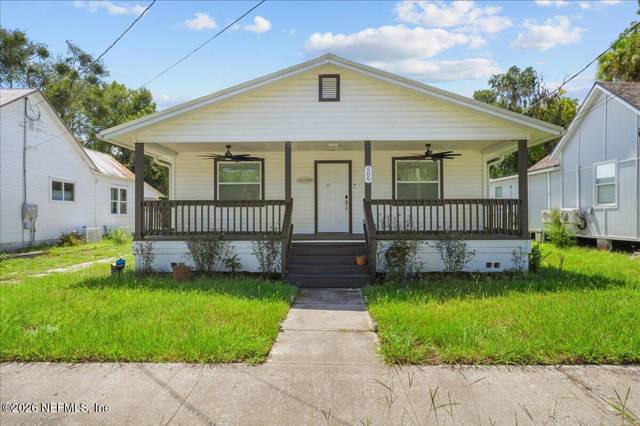
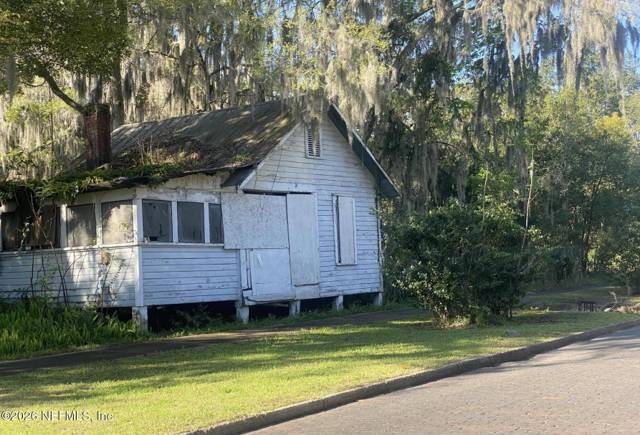
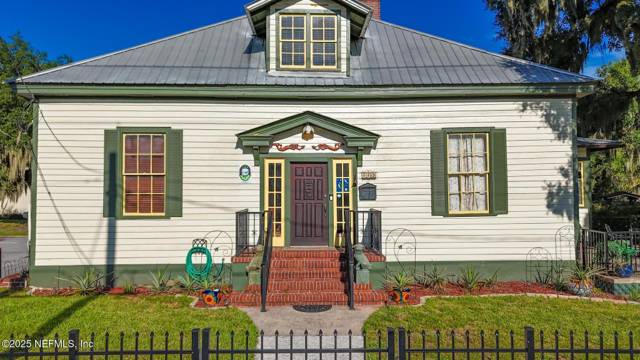
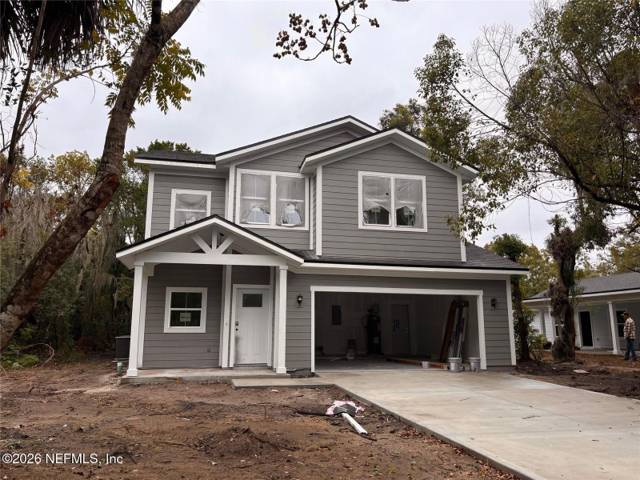
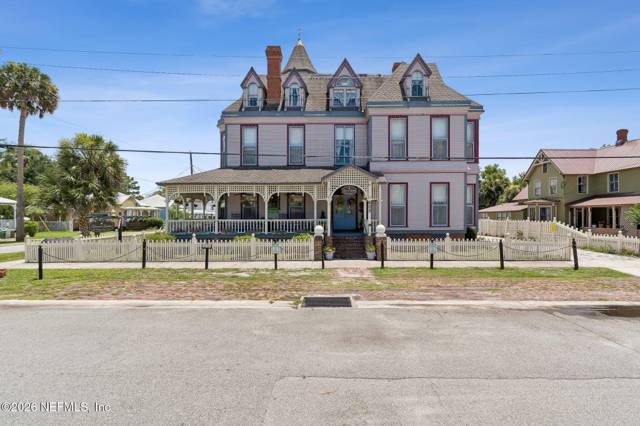
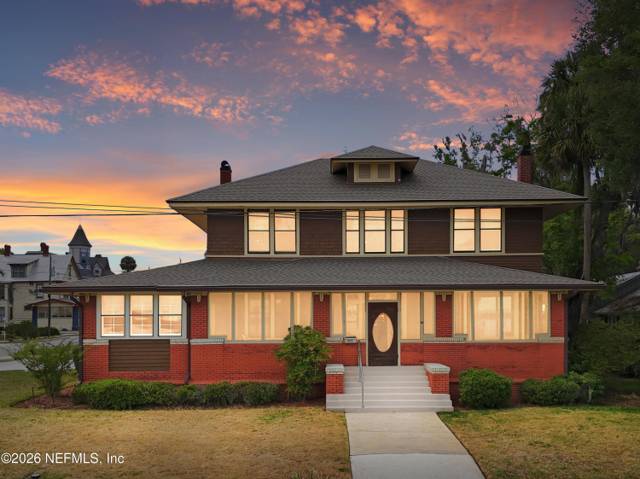
Listing data from the MLS feeds named on each listing page; deemed reliable but not guaranteed. Refreshed nightly.
The market around Palatka North Historic District
Palatka North Historic District is too small for its own price trend, so here is the market around it.
Across Putnam County, 491 homes are active and 128 pending (21% under contract).
ZIP and county figures describe the wider market, not Palatka North Historic District specifically. Momentum Research analysis of MLS records.
How far is everything?
Everyday stops around Palatka North Historic District are close: the nearest groceries is about 2 minutes away.
- Lemon Street Market and Mercantile · Groceries2 min
- Mariachiles · Dining2 min
- Putnam hospital · Health2 min
- This and That Cafe · Coffee2 min
- Rivertown Suites Marketplace · Shopping3 min
- Boathouse Riverfront Park · Parks3 min
Approximate drive times via Mapbox Search + Directions, 2026-07-03. Verify for a specific address.
The Palatka North Historic District buying strategy.
If we were buying in Palatka North Historic District today, this is the order of operations we would run for our clients.
Underwrite the condition first. Price the roof, HVAC, and systems honestly before judging any list price; condition swings value here more than square footage alone.
Match the home to real comps. Recent sales of similar condition and lot, not the asking price, tell you what a home is worth.
Move deliberately, not desperately. Neither side has a decisive edge, so a well-prepared, fairly-priced offer wins without overpaying.
Line up financing and inspection early. A pre-approval and an inspection plan let you act fast and negotiate from evidence.
Keep an agent in your corner. The listing agent works for the seller; we represent you and prepare a hand-built valuation before any offer in Palatka North Historic District.
The location and the amenities are priced into every listing in Palatka North Historic District. The deal is won or lost on condition, the comps, and the renovation math.
HOA, CDD & Fees
- No CDD
- HOA status not on record. Verify any dues before you offer
- Any club/amenity membership is billed separately
Confirm the current HOA dues, exactly what they cover, and any CDD bond or special assessment for a specific address before you offer.
Page states no CDD.
Tools for a Palatka North Historic District buy.
Free calculators to pressure-test the real cost before you tour.
Selling here is won on condition and pricing to real comps, not an automated estimate. The right number comes from closed Palatka North Historic District sales matched to your home.
Price it to the comps and condition, not an automated estimate.
If you are thinking about selling in Palatka North Historic District, the right list price comes from recent comparable sales matched to your home's condition and location, not an automated estimate.
What is your Palatka North Historic District home worth?
Get a no-obligation home value based on real comparable sales in Palatka North Historic District, not an automated guess. Tell us about your home and we will personally prepare your numbers and a pricing strategy. No obligation, no spam.
See homes for sale in Palatka North Historic District on the map →
Data sources & freshness
| Under-contract shares | realMLS records, as of 2026-08-18 |
Verify the primary sources yourself: Florida DOR · U.S. Census · FEMA flood maps · Citizens Property Insurance.
Momentum Research figures are our own analysis of realMLS records; MLS data is deemed reliable but not guaranteed. Methodology: how Momentum market scores are computed. Market metrics describe homes for sale and recent sales, not residents.
Own a home here?
You just read the data. Now see what your home is worth.
The numbers on this page move markets in the aggregate. The number that matters to you is what a buyer pays for your address. Momentum sells for 1.25% above the realMLS member average and 8 days faster, and we’ll price yours against live local comps.
Looking to buy here? Search homes for sale →
What’s your home worth in your area?
A real valuation with real comps from a local listing agent, not an instant algorithm. Response within one business day.
Common questions about Palatka North Historic District
Where is Palatka North Historic District?
Palatka North Historic District is a community in Putnam County, Florida.
Are there homes for sale in Palatka North Historic District right now?
No active listings inside Palatka North Historic District at the last feed refresh. The nearest homes for sale, with distances from the community, are shown on this page and refreshed nightly.
Does Palatka North Historic District have an HOA or CDD?
No HOA is on record for Palatka North Historic District in our data, and no CDD is reported. Verify dues, what they cover, and any special assessment for a specific address before you offer.
Answers are generated from county property records, MLS feeds and the figures on this page, as of the page date; deemed reliable but not guaranteed.
See how Palatka North Historic District fits the bigger picture — live prices, inventory, and Momentum Scores:
The real cost & risk here
Before the list price, the Florida math the portals skip. These are Putnam County typicals — your exact home, flood zone, and insurance quote will vary, so verify each before you offer.
Check it for your address: look up your flood zone (FEMA) · insurance by county · true-cost calculator · Putnam County scorecard.
County typicals from Momentum’s Florida housing data (Zillow & Realtor.com aggregates, Census, FRED), updated monthly; insurance modeled. Flood zone is property-specific — always confirm via FEMA.