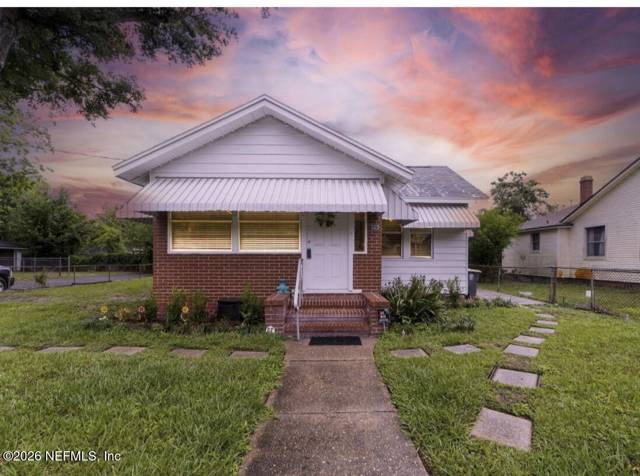
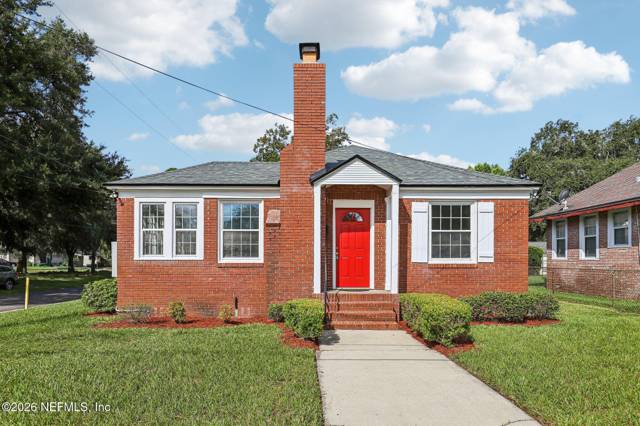
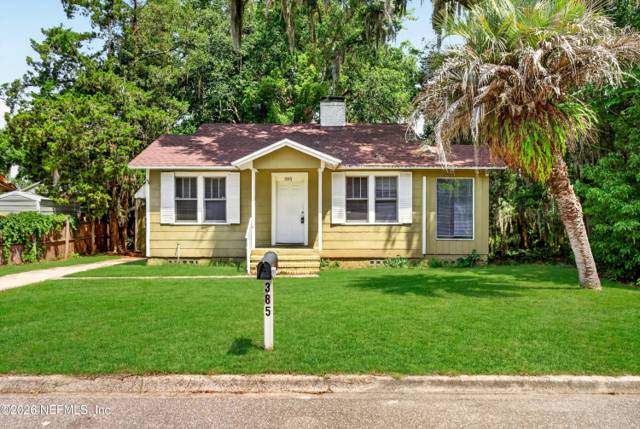
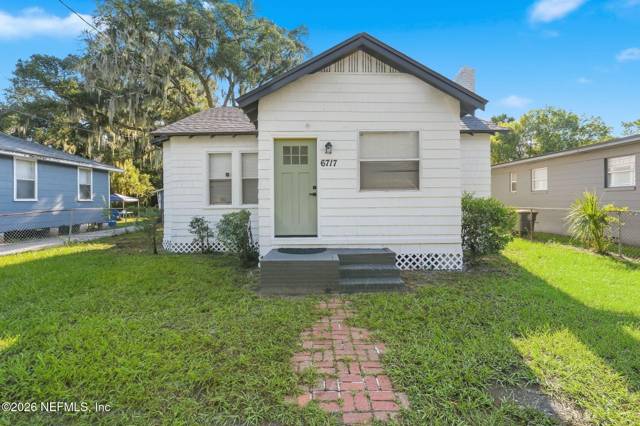
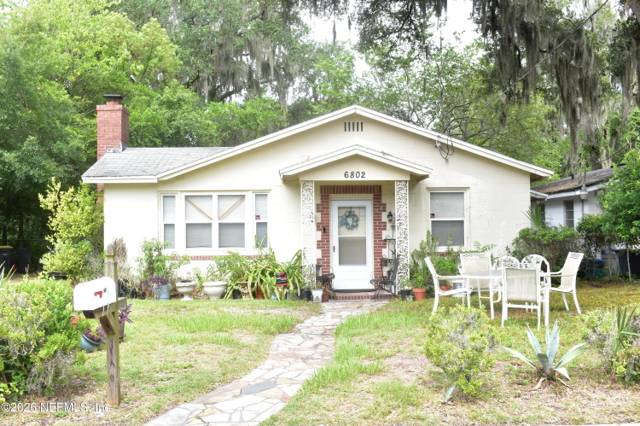
Pearl Court is an established, mostly single-family neighborhood in North Jacksonville, in Duval County, straddling Pearl Street between the Northshore and Brentwood areas. The land was largely agricultural until the 1930s, when it was platted into a grid of residential lots with sidewalks to house Jacksonville's growing middle class, aided by newly available FHA-insured mortgages. Homes here were modest brick veneer bungalows, advertised at the time as economical, low-maintenance, and fireproof, built on concrete foundations, and the layout was designed for a city shifting from streetcars to automobiles.
realMLS (Northeast Florida) sales records identify 188 homes in Pearl Court that have changed hands since 2001, built between 1920 and 2023 (median 1939), with a median living area of about 1,140 sq ft and a typical 3-bedroom, 1-bath layout; 99% are single-family homes. Source: realMLS (Northeast Florida) closed-sale history compiled by Momentum Research; counts reflect homes with a recorded MLS sale, not every home in the community.
County records show 70 qualified sales in Pearl Court across 2024–2025 (46 in 2024, 24 in 2025), median $170,000 — the last recorded sale per parcel on the Florida DOR 2025 assessment roll, independent of the MLS.
A small centralized commercial district grew up alongside the homes and expanded through the mid-20th century. Reported milestones include a large drive-in theater that opened around 1950, a strip shopping center in the mid-1950s, a shopping plaza anchored by a grocery and a pharmacy in the mid-1950s, an enclosed shopping mall described as Jacksonville's first around 1959, and a discount department store in the early 1960s. The corridor's retail prominence diminished after the Jacksonville Expressway was completed around 1960 and diverted through traffic away from the area, though the residential neighborhood around it remained intact and continues to function as a walkable grid of established homes.
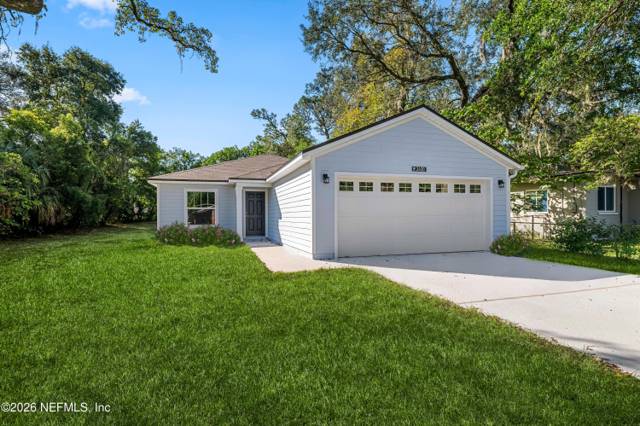
Because these are resale homes on an early-FHA-era plat rather than new construction, each one trades on its own condition, updates, and lot rather than a builder price sheet. Most of the standing housing stock dates to the 1930s and 1940s, so systems age, roof condition, and any prior renovations vary considerably from one address to the next.