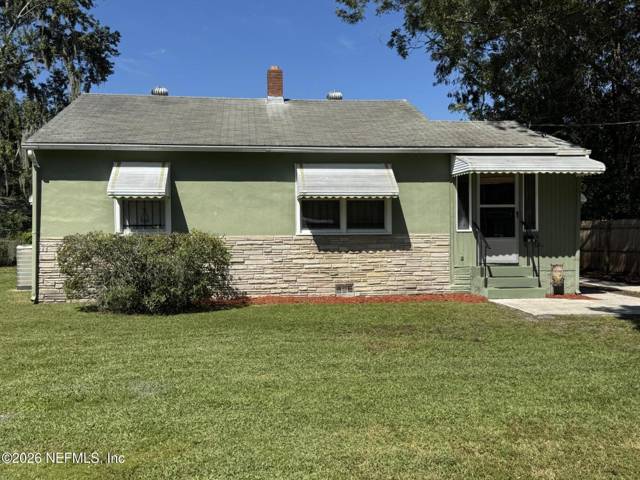
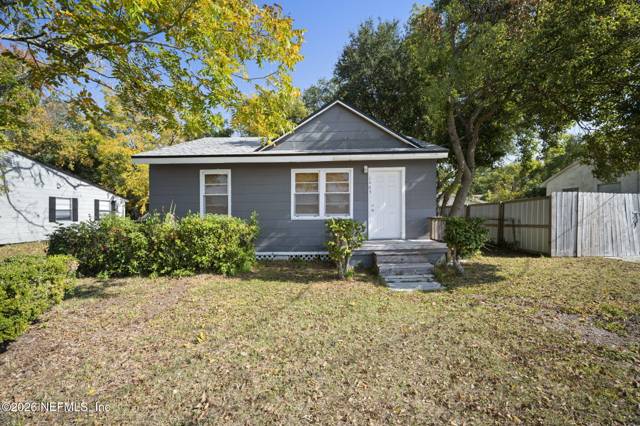
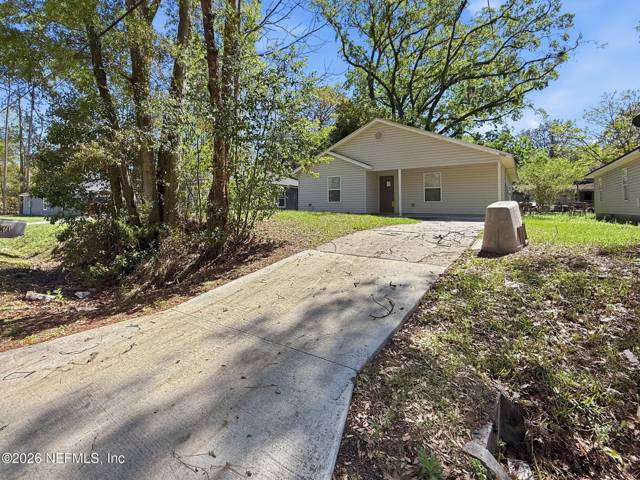
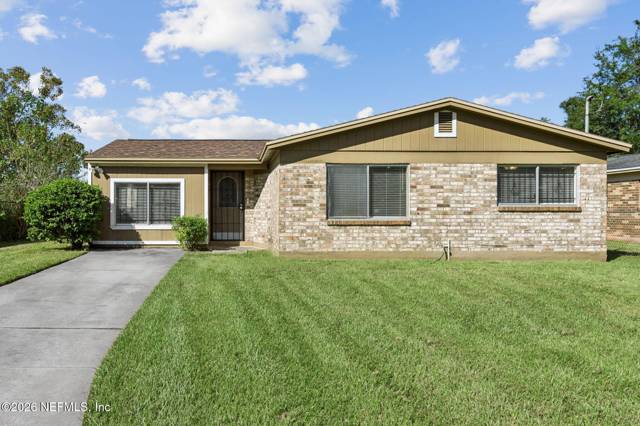
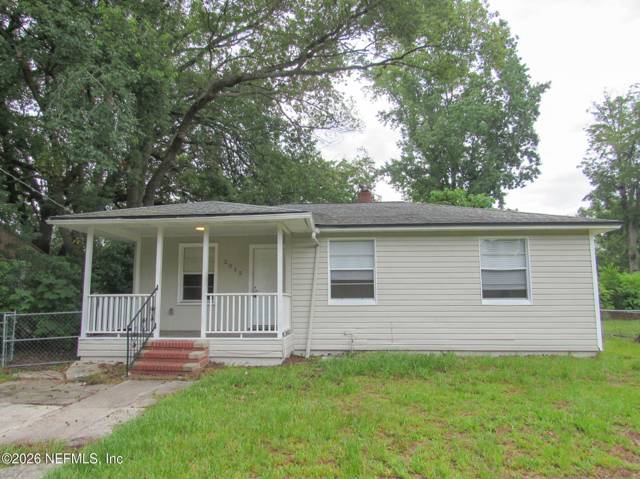
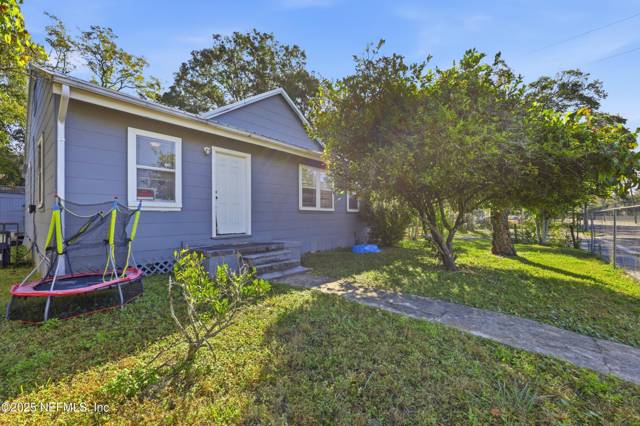
Biltmore is an established, mostly single-family neighborhood in Westside Jacksonville, in Duval County, near the intersection of Cassat Avenue and Lenox Avenue. The housing stock is a genuine mix of resale homes, single-story frame and block houses largely built from the 1970s through the 1990s, a meaningful share of manufactured and mobile homes, and some newer infill construction. Because these are resale homes rather than new construction, each one trades on its own condition, age, and lot rather than on a builder's release schedule.
realMLS (Northeast Florida) sales records identify 212 homes in Biltmore that have changed hands since 2001, built between 1928 and 2026 (median 1951), with a median living area of about 1,195 sq ft and a typical 3-bedroom, 1.5-bath layout; 98% are single-family homes. Source: realMLS (Northeast Florida) closed-sale history compiled by Momentum Research; counts reflect homes with a recorded MLS sale, not every home in the community.
County records show 130 qualified sales in Biltmore across 2024–2025 (85 in 2024, 45 in 2025), median $133,000 — the last recorded sale per parcel on the Florida DOR 2025 assessment roll, independent of the MLS.
The neighborhood sits along the Cassat Avenue and Lenox Avenue corridor, part of a documented JTA mobility project that has added transit-stop improvements and is advancing complete-streets design, bike lanes, lighting, and sidewalks, along the corridor. Public recreation in the surrounding 32254 area includes Woodstock Park and the Edith B. Ford Community Center, both run by the City of Jacksonville rather than any neighborhood association.
The bigger picture is location and access. Biltmore sits close to I-10, putting downtown Jacksonville and the wider Westside job base within a fairly short drive, while the ongoing corridor upgrades along Cassat and Lenox are aimed at improving pedestrian and transit access over time. Because the neighborhood is fully built out, there is no new-construction competition inside it, and the mix of home ages and types means an individual inspection matters more here than in a single-builder community.