





Community Details at a Glance
The Homes
Type
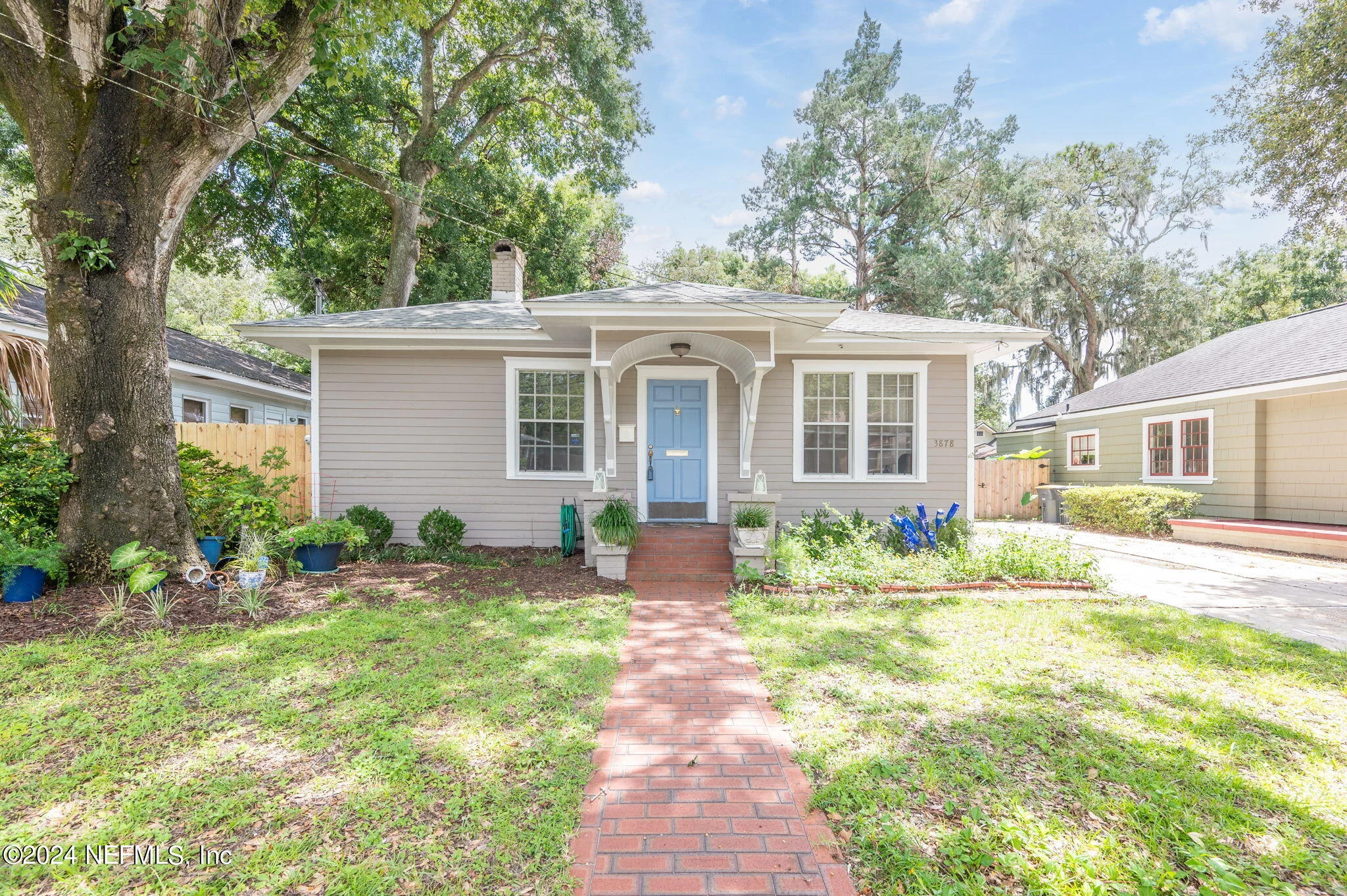
Historic bungalows and cottages, some newer infill
Built
Largely 1920s to 1950s
Size
About 1,000 to 2,200 sq ft
Status
Established, revitalizing urban resale market
Costs & Fees
HOA
None on most homes
CDD
None
Taxes
Duval County millage; confirm per parcel
Amenities
District
Walkable Edgewood Avenue shops, cafes, and breweries
Character
Historic brick streets and 1920s architecture
Access
Minutes to Riverside, downtown, and I-10
Parks
Neighborhood parks and the nearby river
Location
Area
Westside-adjacent urban Jacksonville near Riverside
Access
I-10, Roosevelt, and Edgewood Avenue
Downtown
About 10 minutes
Beaches
About 30 to 40 minutes east
The Homes & Style
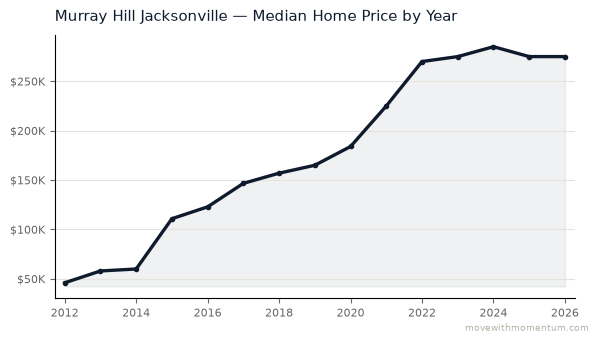
Murray Hill is Jacksonville's premier value-urban market, with a median that has run in the $250,000s in 2026, roughly $250,000 to $275,000, and price per square foot in the low $200s. That puts it well below Riverside and Avondale next door, which is the heart of its appeal to first-time buyers and investors.
The range runs from sub-$200,000 bungalows that need work to renovated and new-construction homes in the $400,000s, and condition drives the spread. Homes move at a moderate pace, often one to three months, and a clean renovation on a good block near Edgewood commands a premium while project homes leave room to negotiate.
For context, Momentum tracks the wider Jacksonville metro at a 97.98 percent sold-to-list ratio and 64 days on market for our agents, against a RealMLS market average closer to 96.73 percent and 72 days, year to date. In a neighborhood rising as fast as Murray Hill, pricing to the right recent comps rather than last year's matters on both sides.
Murray Hill is compact and walkable, and most of the choices come down to how close you are to the Edgewood Avenue corridor and which pocket of the Westside grid you are in.
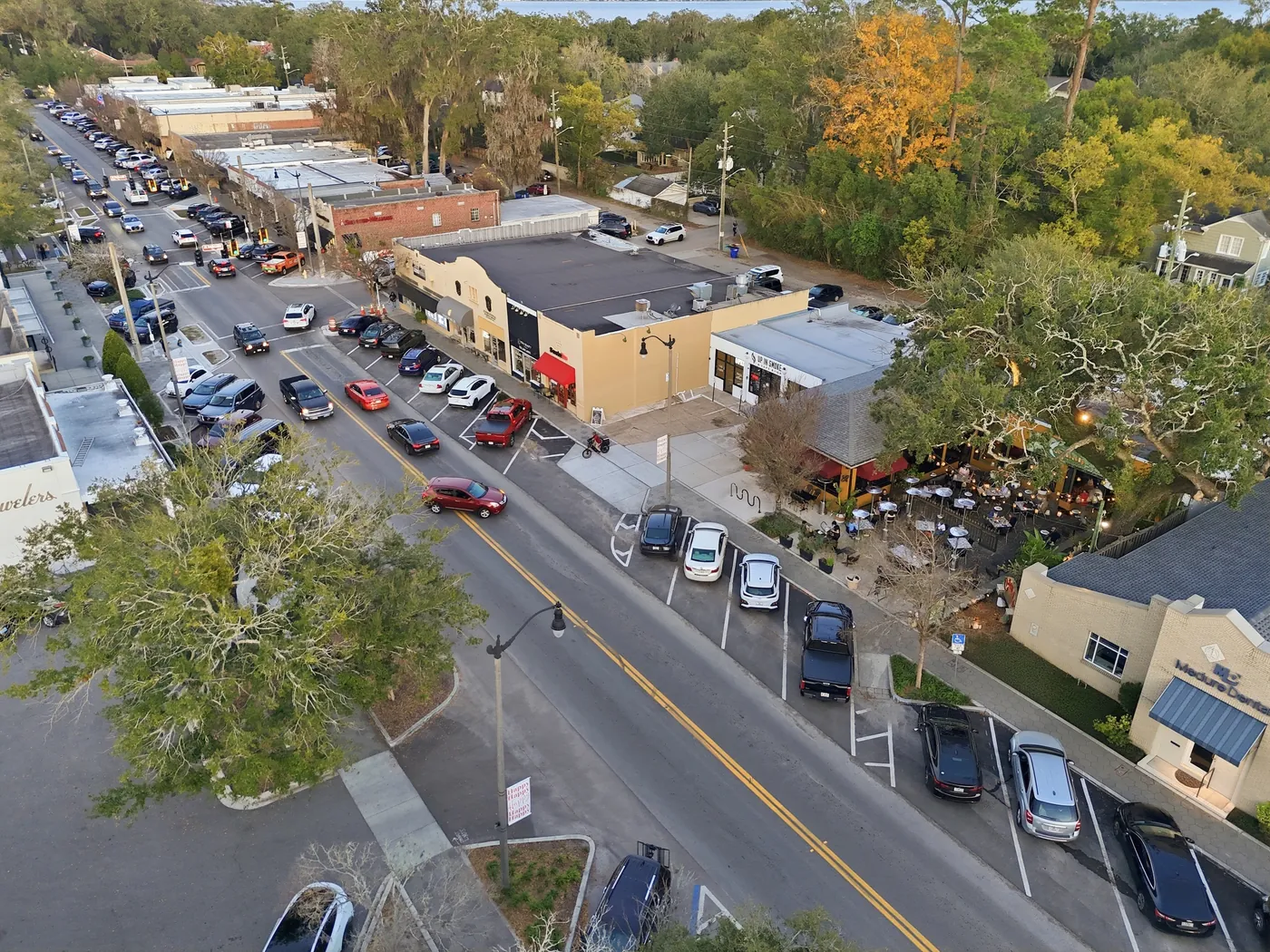
The blocks near Edgewood Avenue are the walkable heart, steps from the restaurants, breweries, coffee shops, and the Murray Hill Theatre. Homes here carry a premium for the lifestyle, and the corridor's growth has pulled values up around it.
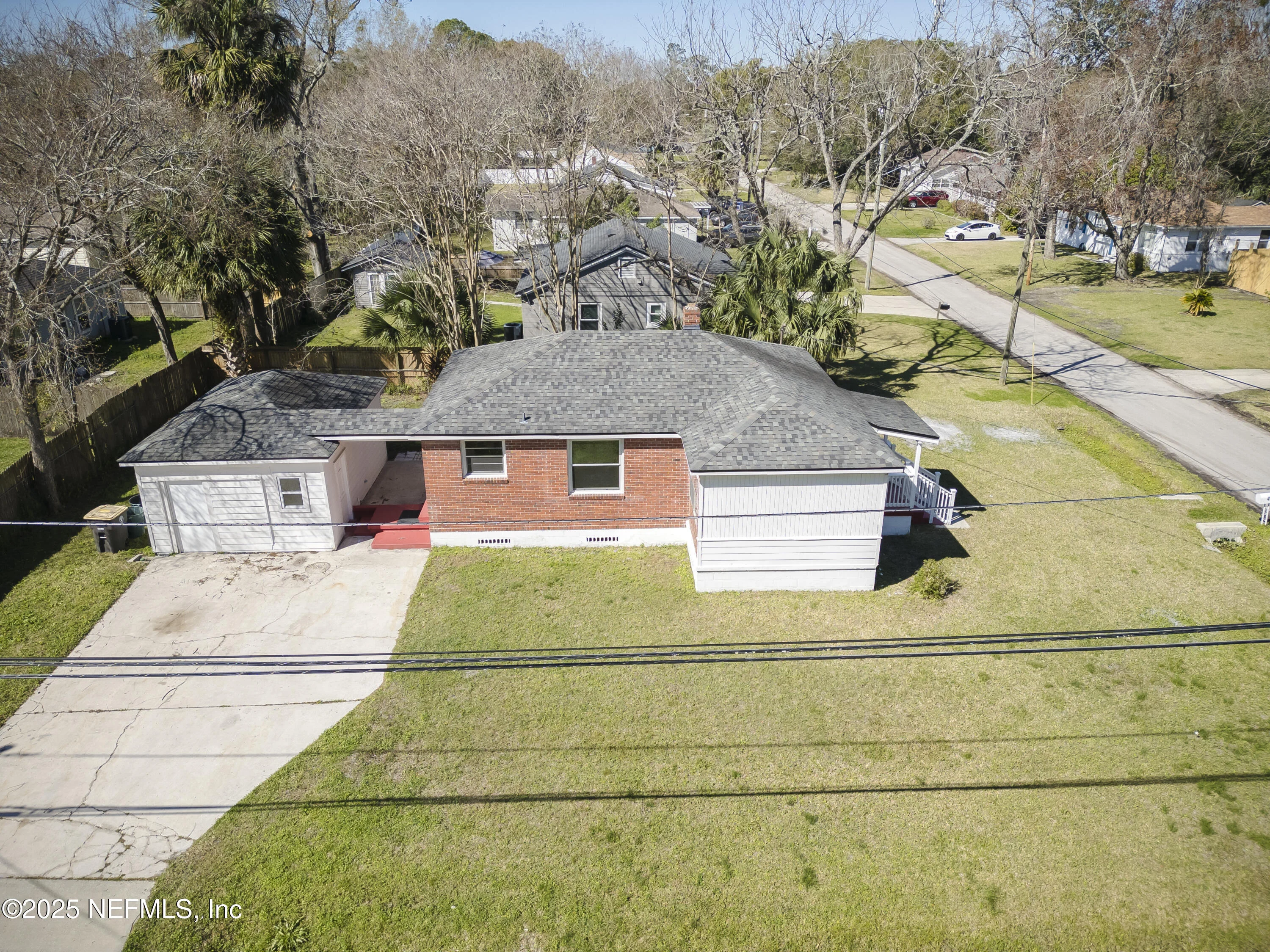
Away from the corridor, the residential streets hold the neighborhood's signature 1920s bungalows, many renovated and many still projects, on a walkable grid with mature trees. This is where most of the inventory and most of the value sits.
Murray Hill Heights and the streets toward Cassat Avenue and Interstate 10 are well-established and a little more affordable, close to the interstate and a short drive to downtown, with a mix of bungalows and mid-century homes.
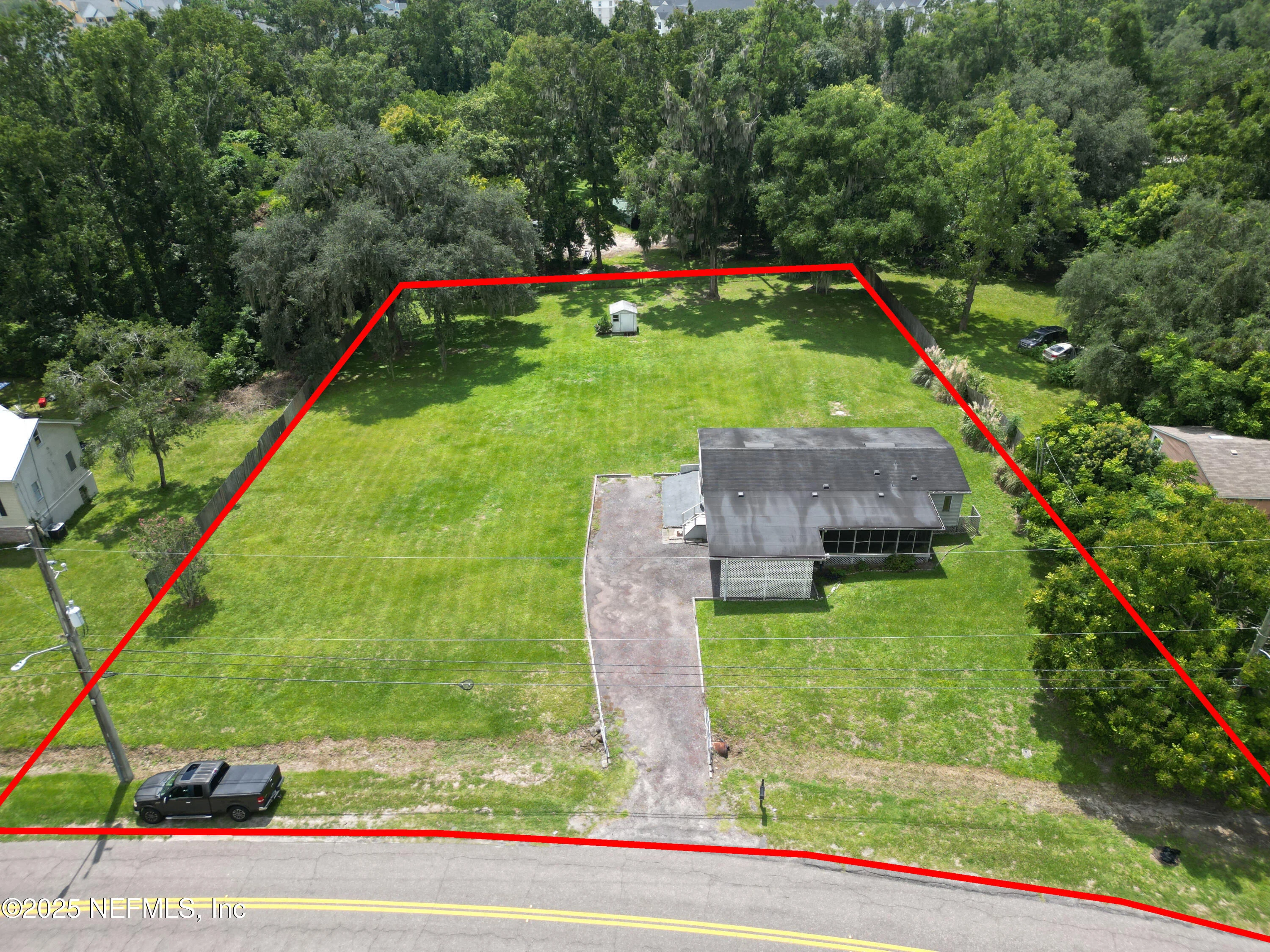
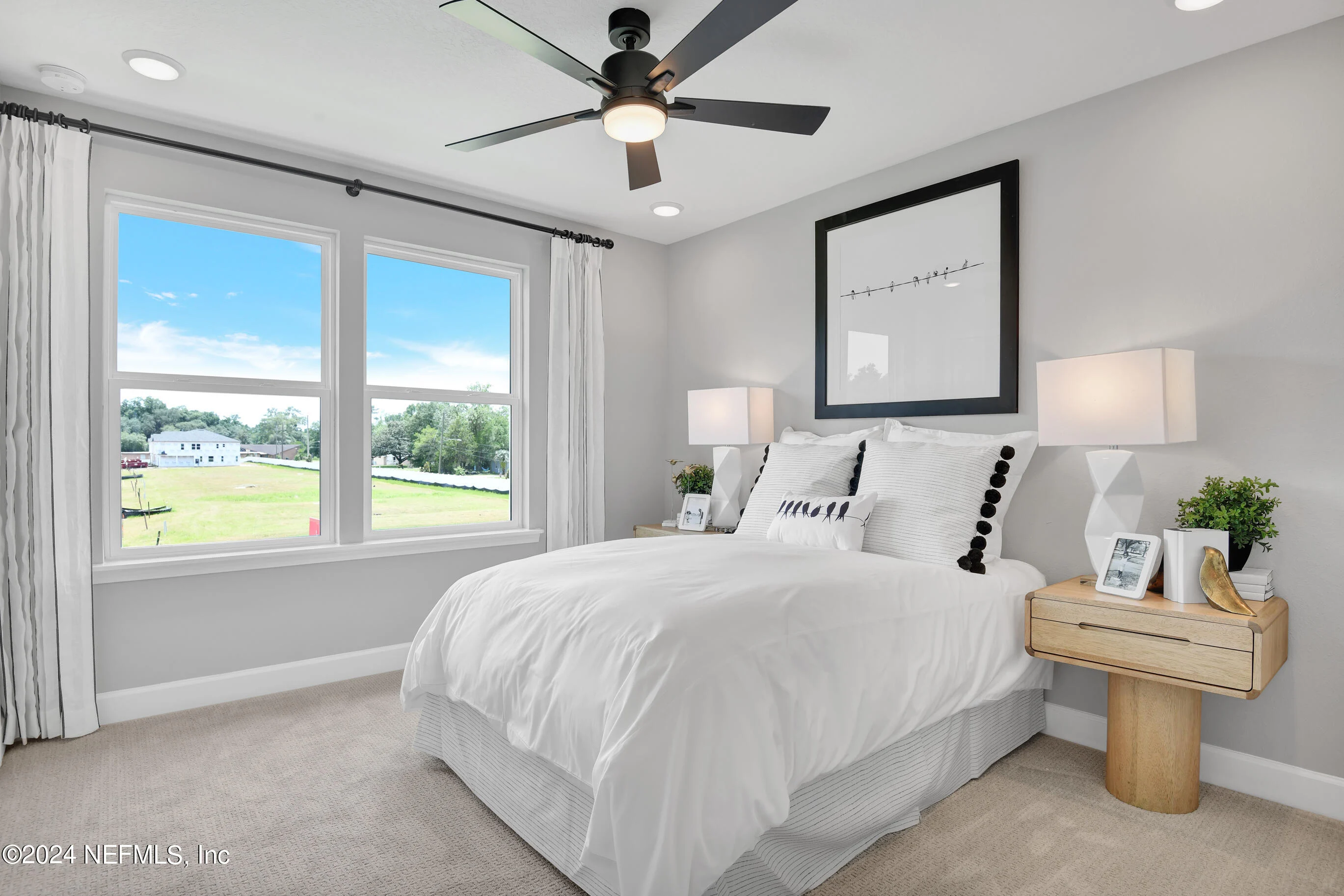
Alongside the historic stock, builders have added new-construction and infill homes on vacant and teardown lots, giving buyers a modern option in a historic-character neighborhood without leaving the area.
Living Here
Murray Hill's appeal is walkable and local, built around the Edgewood Avenue corridor, the parks, and a short hop to Riverside, Avondale, and downtown.
Edgewood Avenue is the heart of the neighborhood, with a dense, growing run of independent restaurants, breweries, coffee shops, and the long-running Murray Hill Theatre. The walkable corridor is the reason much of the recent demand has landed here.
Four Corners Park and the tree-lined bungalow streets give the neighborhood green space and character, and the walkable grid makes it easy to get around on foot or by bike. The 1920s architecture is part of the draw.
Riverside, Avondale, and their restaurant and shopping scenes are a short drive east, downtown is minutes away, and Interstate 10 puts the rest of the metro within easy reach. Murray Hill pairs a local main street with quick access to the wider city.
Edgewood Avenue is the everyday hub, with independent restaurants, breweries, coffee shops, and local retail that have multiplied as the neighborhood has grown. It is the kind of walkable main street that anchors daily life here.
For more, Riverside's Five Points and King Street and the Shoppes of Avondale are minutes east, and downtown is right there. Larger-format retail sits along the nearby commercial corridors and across the river. Murray Hill trades big-box convenience for a local, independent scene.
A few things that come up once buyers get serious about Murray Hill.
Proximity to Edgewood Avenue and the condition of the specific block move prices more than square footage. Walk the street and the corridor before you commit, because Murray Hill's value is hyper-local.
The bungalows are charming and often a century old. Many are projects, so get a contractor's read on roof, systems, and structure, and price the renovation honestly before you buy on charm.
Murray Hill has appreciated quickly, so last year's comps can mislead. Price to recent, nearby sales in similar condition, on both the buying and selling side.
Older wiring, plumbing, and roofs affect insurability and premiums. Get quotes and weigh the cost of updating systems early, since they shape which homes pencil.
Before You Offer
Inspect the old-house systems closely. Murray Hill homes often date to the 1920s through 1950s, so roof, wiring (look for knob-and-tube or old panels), plumbing including cast-iron pipe, foundation, and any termite history deserve careful attention.
Confirm any historic or overlay rules and the renovation scope. Tasteful updates of a bungalow are the value play, so price the work realistically against renovated comps on the same blocks.
Check the flood map and the specific block. Murray Hill streets vary, and proximity to commercial Edgewood versus a quiet interior block changes both price and feel.
Verify off-street parking and lot size, which vary widely in an older urban grid, and drive the downtown and I-10 commute at your real departure time.
Murray Hill vs. Comparable Urban Jacksonville Areas
Murray Hill competes with the other historic, walkable neighborhoods west of downtown. Against Riverside and Avondale next door, Murray Hill offers similar bungalow character and a livelier-by-the-year Edgewood Avenue district at a lower price point, while Riverside and Avondale counter with grander historic homes, the river, and a more established commercial scene.
Against the suburban Westside farther out, Murray Hill trades yard size and new construction for walkability, character, and a short downtown commute. The honest shorthand: pick Murray Hill for historic charm and walkable value; pick Avondale for prestige or the suburbs for space.
Who Murray Hill Fits Best
Murray Hill fits buyers who want historic bungalow character and a walkable district at urban value, anyone drawn to the Edgewood Avenue shops, cafes, and breweries minutes from downtown, and renovators who appreciate 1920s architecture on brick-lined streets.
Murray Hill is a weaker fit buyers who want new construction or a large suburban yard, those who need a turn-key home with no old-house surprises, or anyone seeking a gated or amenity-driven community.