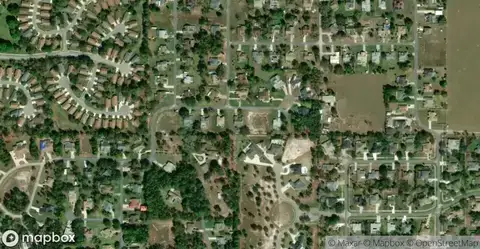
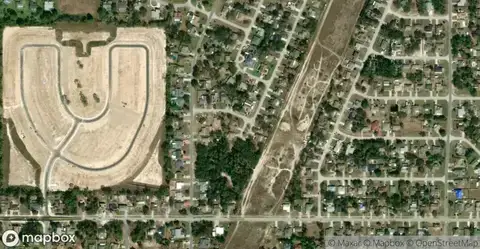
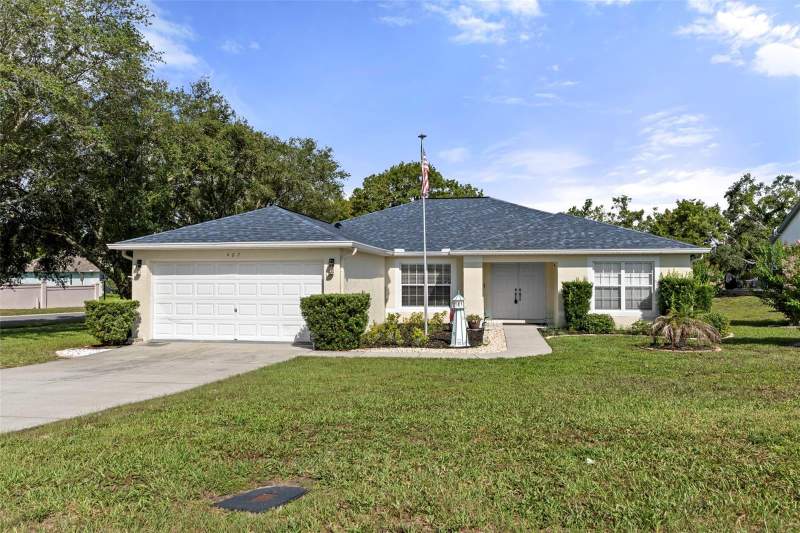
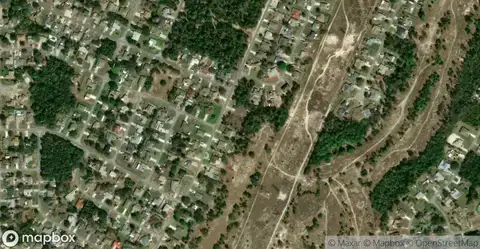
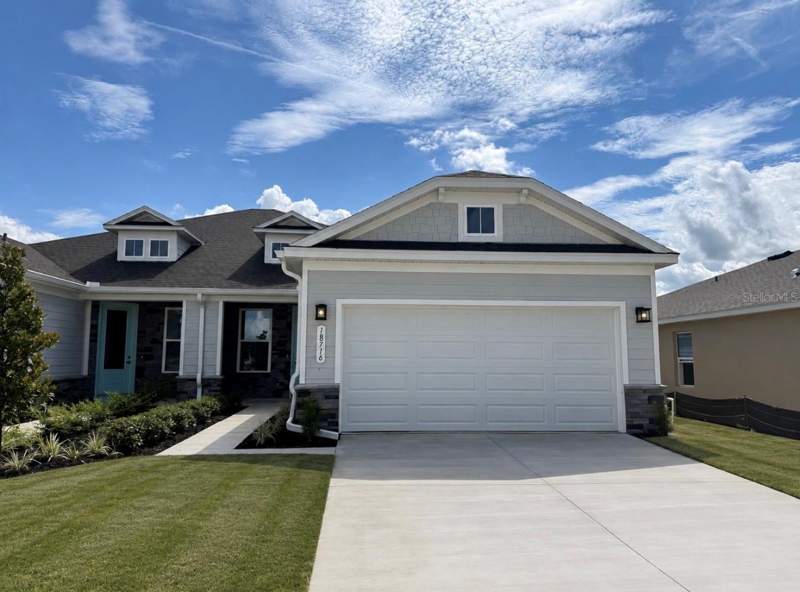
Wellington at Seven Hills
Homes for Sale in Spring Hill, FL
All 428 homes for sale in Spring Hill, FL · median $345,595 · Hernando County homes for sale
True comps, carrying-cost math, and listings before the portals.
Over the 12 months ending 2026-07-13, 5 recorded sales closed at a median of $275,000, $137 per square foot, a median 144 days on market, sellers accepting 97% of original asking. At the median price and Hernando County's FY2025-26 rate of 18.64 mills, annual property tax runs about $5,130 ($4,360 with the full homestead exemption).
Part of the Seven Hills master-planned community in Spring Hill, FL — see all Seven Hills homes for sale (30 listings across 6 villages and sections in the MLS).

With zero active listings as of this snapshot, Wellington at Seven Hills Ph 1 is effectively a closed book right now - the last five closings are what set the tone, not a live inventory pool a buyer can shop today. A median price near $275K on a median living area around 2,431 square feet works out to roughly $136.61 per square foot, which reads as value-priced for the size of home, and points to a market where condition and updates likely explain most of the price spread rather than lot or location premiums.
A median days-on-market of 144 tells you these homes do not move fast - sellers here should expect a patient process and price accordingly from day one rather than testing the market high. The 86.5% homestead share suggests most owners are settled in for the long haul, which is consistent with a community that turns over slowly and rewards buyers willing to wait for the right listing rather than chase a crowded field.
Figures in this note are as of July 20, 2026. The live market numbers elsewhere on this page update nightly and are newer.
Nearby homes for sale
No active listings inside wellington at seven hills ph 1 right now. These are the 6 closest homes on the market, by straight-line distance from the community's center; some may sit just outside its boundary.


Listing data from the MLS feeds named on each listing page; deemed reliable but not guaranteed. Refreshed nightly.
The 60-Second Overview
wellington at seven hills market snapshot (as of July 13, 2026): the median sale price is about $275K ($137 per sq ft over the trailing 12 months of closed sales), and a median 144 days on market for closed sales.
wellington at seven hills is a community of 94 homes in Spring Hill, Hernando County, built between 1997 and 2001 (median 1998.0), with a median living area of about 2,431 square feet. 86% of parcels are homesteaded, the owner-occupancy proxy in the Florida DOR assessment roll (2025 roll, public records).
Built out mainly between 1997 and 2001, Wellington at Seven Hills Ph 1 is a 94-home community in Spring Hill offering larger-format single-family homes at a price point that stands out for square footage delivered per dollar.
Who wellington at seven hills is best for.
Best for
- Buyers prioritizing larger living space at a moderate price point over community amenities.
- Move-up buyers comfortable waiting for the right listing given limited current inventory.
- Sellers with realistic timeline expectations who can price for a market with a historically longer days-on-market.
Probably not for
- Buyers who need to choose from active inventory immediately.
- Buyers seeking clubhouse, pool, or organized recreational amenities as part of the community.
- Sellers expecting a fast sale without pricing flexibility.
Price History: What Homes Here Have Actually Sold For
Median sale price over the trailing 12 months ending July 13 of each year, from record-level Stellar MLS closed sales. Same methodology as every appreciation figure on this page: the 2026 point ($275K) IS the median in the snapshot above.
Windows contain 0 to 5 sales each (5 in the current window); every figure carries its sample size, and thin markets swing on single closings. Based on Stellar MLS data distributed by MLS GRID for the period %s through %s. Deemed reliable but not guaranteed.
The real cost & risk here
Before the list price, the Florida math the portals skip. These are Hernando County typicals — your exact home, flood zone, and insurance quote will vary, so verify each before you offer.
Check it for your address: look up your flood zone (FEMA) · insurance by county · true-cost calculator · Hernando County scorecard.
County typicals from Momentum’s Florida housing data (Zillow & Realtor.com aggregates, Census, FRED), updated monthly; insurance modeled. Flood zone is property-specific — always confirm via FEMA.
Wellington at Seven Hills Market Scorecard
Wellington at Seven Hills is currently a thin data market. Limited supply, a median asking price of n/a.
Go deeper: true cost calculator · affordability calculator.
Live data: Stellar MLS, distributed by MLS GRID, refreshed twice daily. Typical value: Zillow Research. Market metrics only; these describe homes for sale and recent sales, not residents.
Schools
- Hernando County Public Schools
- Verify the zoned schools by address
- Magnet and choice options may be available
- Hernando County Public Schools (verify by address) · Public
- Confirm zoned elementary, middle, and high · By address
- Magnet and choice options may apply · Choice
Zoned schools reflect the assignments reported on recent wellington at seven hills listings and can change; always confirm with Hernando County Public Schools for a specific address.
Buying with schools in mind? We can confirm the exact zoned schools for any wellington at seven hills address.
The wellington at seven hills buying strategy.
If we were buying in wellington at seven hills today, this is the order of operations we would run for our clients.
Underwrite the condition first. Price the roof, HVAC, and systems honestly before judging any list price; condition swings value here more than square footage alone.
Match the home to real comps. Recent sales of similar condition and lot, not the asking price, tell you what a home is worth.
Move deliberately, not desperately. Neither side has a decisive edge, so a well-prepared, fairly-priced offer wins without overpaying.
Line up financing and inspection early. A pre-approval and an inspection plan let you act fast and negotiate from evidence.
Keep an agent in your corner. The listing agent works for the seller; we represent you and prepare a hand-built valuation before any offer in wellington at seven hills.
A quiet, slow-turn pocket of Spring Hill
The numbers here describe a small, mature community rather than an active trading market. With no active listings identified, current pricing has to be read through the lens of the last handful of closings - five transactions in the most recent window - which is a thin enough sample that any one sale can move the median. Buyers and sellers should treat the $275,000 median and $136.61 per-square-foot figure as a directional benchmark, not a precise valuation tool, and lean on a fresh comparative analysis of whatever is on market when they're ready to act.
No community amenities were identified from current MLS listings, so any appeal here is coming from the homes themselves - built in a tight window from 1997 to 2001, with a median size above 2,400 square feet - rather than from clubhouse, pool, or recreational infrastructure. That combination of size-for-price and long average marketing time (144 days median) suggests this is a community where a well-priced, well-maintained listing can still sit for a while simply because buyer traffic is limited, not because demand is absent.
The location and the amenities are priced into every listing in wellington at seven hills. The deal is won or lost on condition, the comps, and the renovation math.
Why work with Momentum here
A community with zero active listings and a small closing sample is exactly where local, transaction-level knowledge matters most - pricing off a stale median or an outdated comp can cost a seller weeks and a buyer leverage. We track what's actually closing in Wellington at Seven Hills Ph 1 in real time and help you price, negotiate, or structure an offer around the real story, not the headline number.
wellington at seven hills in 15 seconds.
HOA, CDD & Fees
- HOA status not on record. Verify any dues before you offer
- Any club/amenity membership is billed separately
Confirm the current HOA dues, exactly what they cover, and any CDD bond or special assessment for a specific address before you offer.
Tools for a wellington at seven hills buy.
Free calculators to pressure-test the real cost before you tour.
Selling here is won on condition and pricing to real comps, not an automated estimate. The right number comes from closed wellington at seven hills sales matched to your home.
Price it to the comps and condition, not an automated estimate.
If you are thinking about selling in wellington at seven hills, the right list price comes from recent comparable sales matched to your home's condition and location, not an automated estimate.
What is your wellington at seven hills home worth?
Get a no-obligation home value based on real comparable sales in wellington at seven hills, not an automated guess. Tell us about your home and we will personally prepare your numbers and a pricing strategy. No obligation, no spam.
See homes for sale in wellington at seven hills on the map →
More Spring Hill home searches
- All homes for sale in Spring Hill, FL
- Homes for sale in Hernando County, FL
- Spring Hill pool homes for sale
- Gated communities in Spring Hill
- Homes under $300K in Spring Hill
- Spring Hill home values: what is my house worth?
- 1 coming-soon community in Hernando County
Spring Hill guides & data
- Market data
- Cost of living
- Best neighborhoods
- Flood zones
- Property taxes (Hernando County)
- Homestead exemption (Hernando County)
- Home insurance cost
- New construction
Florida buyer guides
- Florida home insurance rates by county
- Florida property tax by county
- Florida property tax calculator
- What flood zone X means
- The 4-point inspection, explained
- Florida flood insurance calculator
- Florida housing market map
Real estate agent in Spring Hill? Join Momentum in Spring Hill: 100% commission, one $12K cap.
Streets in this community
Street-level pages: every home on record, what sold and what is for sale on each street.
- Quane Avenue (30 homes on record)
- New Haven Drive (26 homes on record)
- Center Oak Circle (22 homes on record)
- Deercroft Court (18 homes on record)
- Deercroft Court (4 homes on record)
- Heathrow Avenue (3 homes on record)
- New Haven Drive (3 homes on record)
- Center Oak Circle (2 homes on record)
- Heathrow Avenue (1 homes on record)
- Deercroft Court (1 homes on record)
- Deercroft Court (1 homes on record)
- Quane Avenue (1 homes on record)
Email me new listings in Wellington at Seven HillsHomes for Sale
One e-mail a day, only when a home lists here, with price, beds, baths and a link to every listing. Straight from the MLS feed; no account needed.
Ask an agent about Wellington at Seven HillsHomes for Sale
Have a question about the homes, fees, rules or commute here? A Momentum agent who works Wellington at Seven HillsHomes for Sale will answer, and the answer is published on this page for the next buyer.
Frequently Asked Questions
What is the median home price in wellington at seven hills?
How long do homes in wellington at seven hills take to sell?
How many homes are in wellington at seven hills?
What share of wellington at seven hills is owner-occupied?
When were the homes in wellington at seven hills built?
Do cash buyers compete in wellington at seven hills?
What schools serve wellington at seven hills?
Who is the best real estate agent for wellington at seven hills?
How do I find a top Spring Hill real estate agent who knows wellington at seven hills?
Can Momentum Realty connect me with an agent for wellington at seven hills?
Where is Wellington at Seven Hills, and what county is it in?
Is Wellington at Seven Hills a good place to live?
Should you buy in wellington at seven hills?
An honest fit check. We will tell you when it is not your community.
Data sources & freshness
| Live listings | Stellar MLS, refreshed twice daily (last: June 24, 2026) |
| Community market stats | Stellar MLS closed sales, 12-month windows ending July 13, 2026 |
| Housing stock & ownership | Florida DOR assessment roll (street-list match (3 streets, ZIP 34609)) |
| Under-contract shares | Stellar MLS records, as of 2026-07-12 |
| Schools | 2025-26 district assignments + FLDOE school grades; verify with the district |
| Historical depth | Closed-sale records back to 2015 (21 transactions analyzed) |
Verify the primary sources yourself: Florida DOR · U.S. Census · FEMA flood maps · Citizens Property Insurance.
Momentum Research figures are our own analysis of Stellar MLS records; MLS data is deemed reliable but not guaranteed. Methodology: how Momentum market scores are computed. Market metrics describe homes for sale and recent sales, not residents.
Own a home here?
You just read the data. Now see what your home is worth.
The numbers on this page move markets in the aggregate. The number that matters to you is what a buyer pays for your address. Momentum sells for 1.25% above the Stellar MLS member average and 8 days faster, and we’ll price yours against live your area comps.
Looking to buy here? Search homes for sale →
What’s your home worth in your area?
A real valuation with real comps from a local listing agent, not an instant algorithm. Response within one business day.
More Spring Hill & Hernando County guides
Compare before you commit - every guide covers pricing, HOA/CDD, insurance posture, and fit. Browse all of Hernando County or the full Neighborhood Finder.
- Wellington At Seven Hills Ph 2
- Wellington At Seven Hills Ph 3
- Wellington at Seven Hills Ph 4
- Wellington at Seven Hills Ph 4 Lot 406
- Wellington At Seven Hills Ph 6
- wellington at seven hills ph 7
See how wellington at seven hills fits the bigger picture — live prices, inventory, and Momentum Scores:
More on Wellington at Seven Hills
- Home values · What homes in Wellington at Seven Hills actually sell for
Nearby Communities
Explore more neighborhoods near Wellington at Seven HillsHomes for Sale in Spring Hill, FL with Momentum Realty’s local guides.