
Data Analysis
St. Petersburg's median sale price climbed 9.3 percent year over year to $453,753 in the three months ending June 2026, per Redfin.
Redfin's city-level figures for the rolling three months ending June 2026 show prices and sales volume rising together while homes sold four days faster than a year earlier.
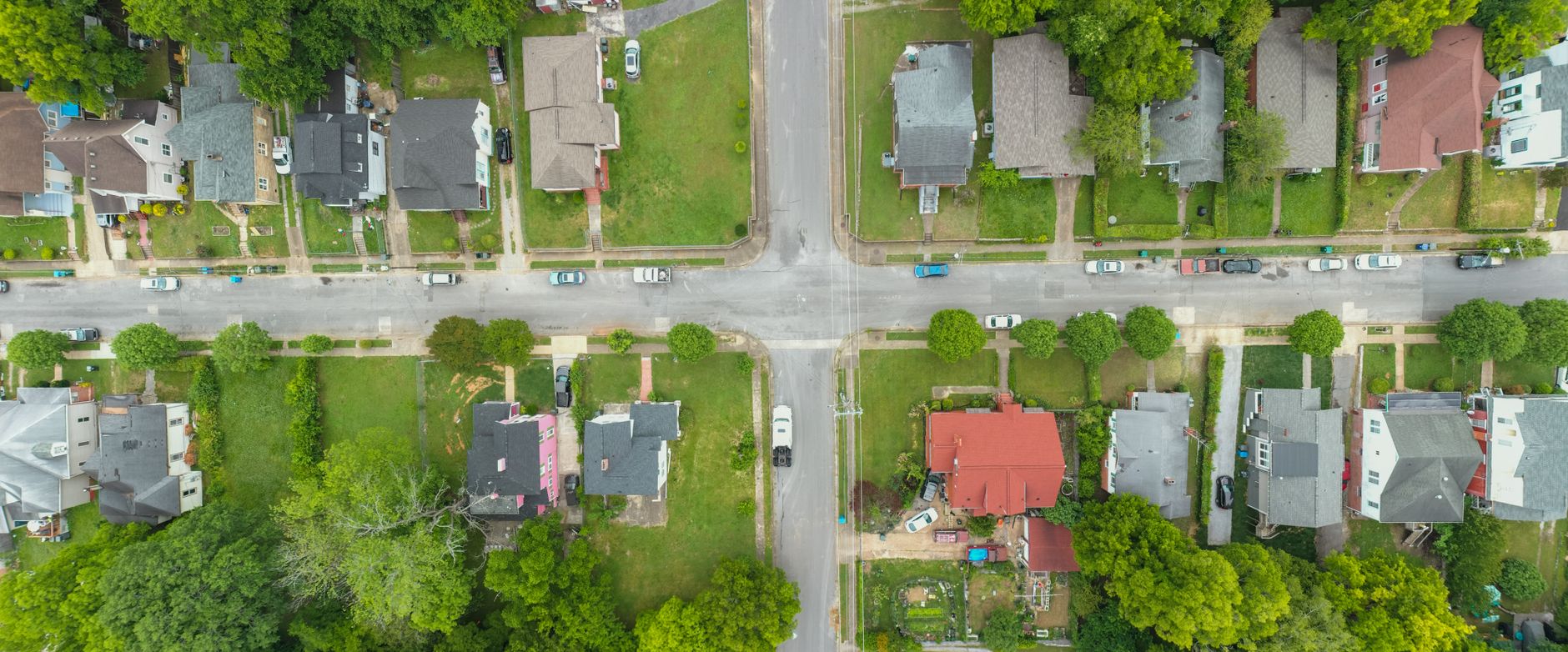
St. Petersburg's median home sale price reached $453,753 in the rolling three months ending June 2026, up 9.3 percent from a year earlier, according to Redfin. Redfin counted 1,436 homes sold in the city over the period, a 9.9 percent increase year over year. The typical home went under contract in 37 days, four days faster than a year earlier, per Redfin. The average sale-to-list price ratio rose 0.7 percentage points to 96.4 percent, and 43.3 percent of listings took a price drop, down 7.9 points from last year, Redfin reports.
These figures cover the city of St. Petersburg, a narrower geography than the full market this hub follows, so they describe the city itself rather than the surrounding area.
How much did St. Petersburg home prices rise?
The 9.3 percent annual gain to $453,753 is the largest median-price increase among the Tampa Bay and Central Florida cities we track from this Redfin release. In dollar terms, the city's median sale price sits roughly $38,600 above where a 9.3 percent-lower year-ago level implies it stood.
A jump that size in a single year deserves scrutiny before it is read as pure appreciation. Medians move with the mix of homes sold, and a quarter heavy with higher-priced closings lifts the figure independent of any one home's value. What the companion metrics establish is that the increase happened alongside strengthening demand indicators rather than against them, which makes a mix-only explanation harder to sustain.
Why are homes selling faster in St. Petersburg?
Redfin puts the median days on market at 37 for the period, down from 41 a year earlier. St. Petersburg's clock got faster while Tampa's and Orlando's lengthened in the same release. Four fewer days, at the same time sales volume grew 9.9 percent, points to buyers moving with more urgency on the homes that listed.
The rising sale-to-list ratio reinforces that read. When homes sell quicker and closer to asking at the same time, the standard mechanism is competition: more than one interested buyer per well-priced listing, which compresses both the timeline and the discount. The data cannot count bidding wars directly, but every measured indicator here moved the way a competitive market moves.
What does a 43.3 percent price-drop share mean when prices are rising?
It means the market punished overpricing even while rewarding accurate pricing. Redfin reports that 43.3 percent of listings cut their price during the period, yet the share is down 7.9 percentage points from a year earlier, a steep improvement.
Both halves matter. A market where the median rises 9.3 percent still forced more than four in ten sellers to reprice. Sellers who listed at aspirational numbers sat, then cut. Sellers who priced to recent comparable sales caught the faster, stronger tape. The 7.9-point decline suggests the second group is growing. Historical context for this series is available on our St. Petersburg market data page.
What does the sale-to-list ratio say about negotiating room?
The average sale closed at 96.4 percent of list price, up 0.7 percentage points from a year earlier, per Redfin. That is a larger year-over-year gain in the ratio than Tampa or Orlando posted in this release. On a $450,000 listing, 96.4 percent implies a sale near $433,800, a gap of about $16,200.
Buyers still secured a discount on average, so list price was rarely the final word. But the direction of travel favored sellers: the average concession shrank over the year. Combined with the faster clock, the mechanics suggest buyers who opened with aggressive offers risked losing homes to buyers who did not.
Do these numbers describe the wider area too?
They describe the city of St. Petersburg as Redfin defines it. Conditions in nearby communities can and do diverge from the city's, and the housing stock inside city limits differs in composition from the broader area. The 1,436 sales counted here closed within that city boundary. Readers comparing across the bay should note that Tampa's figures from the same Redfin release run cooler on price growth, a contrast covered in our companion report in the news section.
Taken on its own terms, the city's period was unambiguous in direction. Prices, volume, speed, and the sale-to-list ratio all improved for sellers year over year, and the lone soft-looking number, the 43.3 percent price-drop share, improved more than any other metric.
Limitations
These figures are published by Redfin and reflect Redfin's platform and MLS coverage as stated by Redfin; some transactions may fall outside that coverage. All values describe a rolling three-month window ending June 2026, which smooths short-term noise but can obscure recent shifts. The geography is the city of St. Petersburg, narrower than this hub's full market area. Redfin revises figures as late-recorded sales come in, so numbers may differ in later updates.
Sources
- Redfin, St. Petersburg, FL Housing Market: https://www.redfin.com/city/16164/FL/St-Petersburg/housing-market
- Redfin Data Center: https://www.redfin.com/news/data-center/
Disclosure: Jon Brooks is a co-founder of Momentum Realty, a Florida real estate brokerage that owns and funds Florida Housing Intelligence. Momentum has a financial interest in Florida real estate transactions, including in markets named here. See our editorial standards.
Figures in this article are published by Redfin and are current as of the date shown. Data may be preliminary and subject to revision by its source. This article is general information, not advice about any specific property, transaction, or financial decision, and is not a representation about any specific property, community, builder, or association.
Equal Housing Opportunity. Editorial standards · Corrections · About