
Hammock Dunes
Homes for Sale in Palm Coast, FL
All 1,211 homes for sale in Palm Coast, FL · median $390,000 · 729 homes for sale in 32137 · Flagler County homes for sale
True comps, carrying-cost math, and listings before the portals.
Market Heat
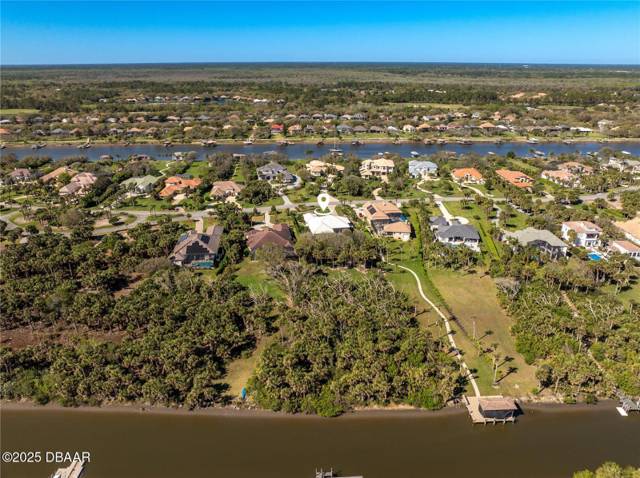
Photo courtesy of RE/MAX Select Professionals · via DBAMLS
As of October 2026, Hammock Dunes in Palm Coast, FL has 1 home for sale. Over the 12 months ending 2026-09-03, 6 recorded sales closed at a median of $950,000, $337 per square foot, a median 185 days on market, sellers accepting 88% of original asking (-41% versus the prior year). Homes listed or recently sold were built 1998–2007; 3 of 3 report an HOA (median $238/mo); 1 of the 3 geocoded homes sit in a FEMA special flood hazard zone (median elevation 9 ft). At the median price and Flagler County's FY2025-26 rate of 14.65 mills, annual property tax runs about $13,920 ($13,340 with the full homestead exemption).
Villages & sections of Hammock Dunes
Hammock Dunes in Palm Coast, FL is a master-planned community recorded as 12 named villages and sections in the MLS; 0 homes are for sale or pending across them today. Each village has its own page with its listings, sales history and HOA/CDD facts.
- Cambria at Hammock Dunes
- Casa Bella at Hammock Dunes
- Granada Estates at Hammock Dunes
- Island Estates at Hammock Dunes
- La Grande Provence at Hammock Dunes
- Le Jardin at Hammock Dunes
- Oasis at Hammock Dunes
- Portofino at Hammock Dunes
- Savona at Hammock Dunes
- Tuscany at Hammock Dunes
- The Ritz-Carlton Residences at Hammock Dunes
- The Villas at Hammock Dunes
Last 30 days in Hammock Dunes: 1 new listing (median asking $837,000). As of October 20, 2026, © 2026 Daytona Beach Area Association of REALTORS®, Inc.

Hammock Dunes prices on space, age, and amenities more than on square footage alone. The median home runs 3,295.5 square feet, with a median year built of 2001, inside a stock that spans 1955 to 2024 — original construction sitting alongside recent builds. Add a guarded gate, golf course, clubhouse, fitness center, and beach access, and the median of $750,000 ($329.51 per square foot) reads as a lifestyle premium built into the number, not stacked on top of it.
The current read is thin-inventory and slow-moving at the same time. Just 1 active listing against 2.4 months of supply technically lands in seller-leaning territory, but a median 210 days on market and a market heat score of 20 tell the real story — this is not a bidding-war environment. Closings are down 53.5% year over year on a tracked window of 7, so any pricing decision here gets tested against very little live comparison. Sellers who price to the last closed comps still move; sellers who chase last year's number sit.
Figures in this note are as of July 15, 2026. The live market numbers elsewhere on this page update nightly and are newer.
Hammock Dunes right now
🟡 Balanced market. 2.4 months of supply and 0% of the inventory already under contract put buyers and sellers on roughly even footing.Why it matters: months of supply is how long today's inventory would last at today's sales pace; under-contract share is the portion of homes for sale that already have a buyer.Momentum Research analysis of DBAMLS records, as of September 3, 2026. Confidence: Medium (1 active and pending listings, 6 closed sales in 12 months).
🔴 Off the recent peak. The trailing-12-month median ($950K) is down 41.2% from the prior 12 months ($1.61M). With about a dozen sales a year, a single closing can swing this number, so read the level and the decade, not one year's move.Momentum Research, record-level DBAMLS closed sales, 12-month windows ending September 3. Confidence: Medium (6 and 11 sales in the two windows).
Jump to: Price history & scorecard · Homes for sale · Schools · FAQ
· Updated October 20, 2026 · Live data: DBAMLS, refreshed twice daily · MLS facts carry their source; interpretation lines are Momentum Research · Data sources & freshness
The 60-Second Overview
Hammock Dunes market snapshot (as of September 3, 2026): the median sale price is about $950K ($337 per sq ft over the trailing 12 months of closed sales), a median 186 days on market for closed sales, and 2.4 months of supply, a balanced market. The trailing-12-month median is down 41% from the prior 12 months, computed from record-level DBAMLS closed sales (6 closings in the current window).
In ZIP 32137 (Palm Coast), 215 homes closed in the last 12 months at a median of $301K ($173/sq ft), down 1.2% year over year, with a median 60 days on market. Right now 40 active and 22 pending listings put supply at about 3.5 months — a balanced market. See the live ZIP 32137 housing market and the Flagler County market.
DBAAR sales records identify 522 homes in Hammock Dunes that have changed hands since 2008, built between 1989 and 2027 (median 2002), with a median living area of about 2,843 sq ft and a typical 3-bedroom, 3.5-bath layout. Source: DBAAR closed-sale history compiled by Momentum Research; counts reflect homes with a recorded MLS sale, not every home in the community.
Hammock Dunes is a gated, golf-and-beach community in Palm Coast with 626 homes spanning 1955 to 2024 construction, where 56.8% of owners carry a homestead exemption — a market defined more by long-term hold than turnover.
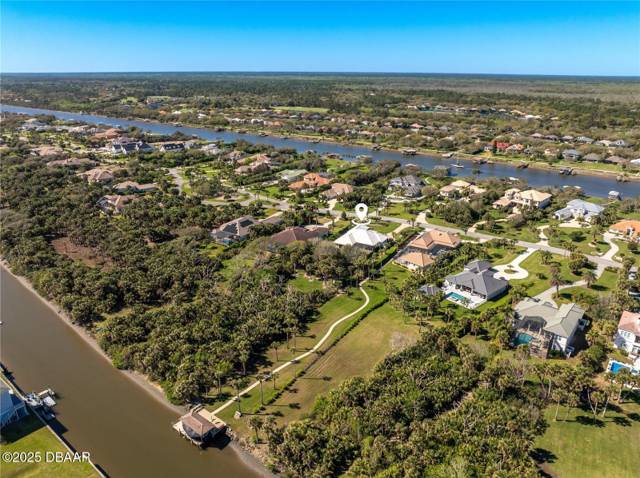
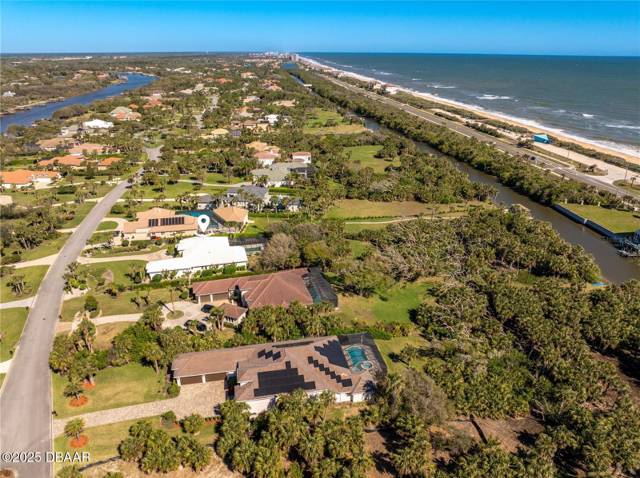
The setting & the homes.
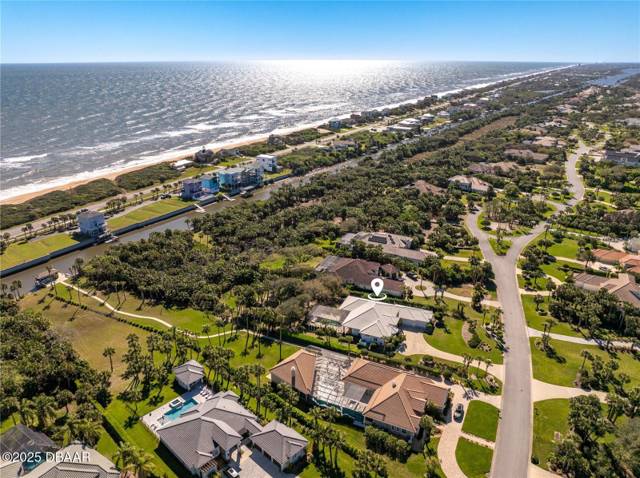
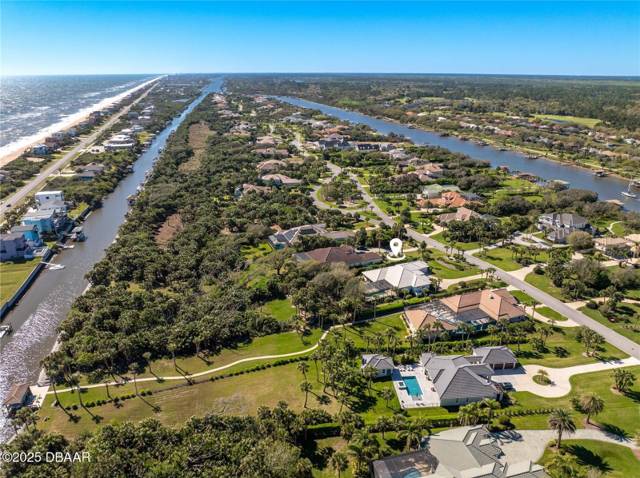
Aerial and on-site photos of Hammock Dunes. Swipe to explore the community.
Swipe or use the arrows → tap any photo to enlarge
Hammock Dunes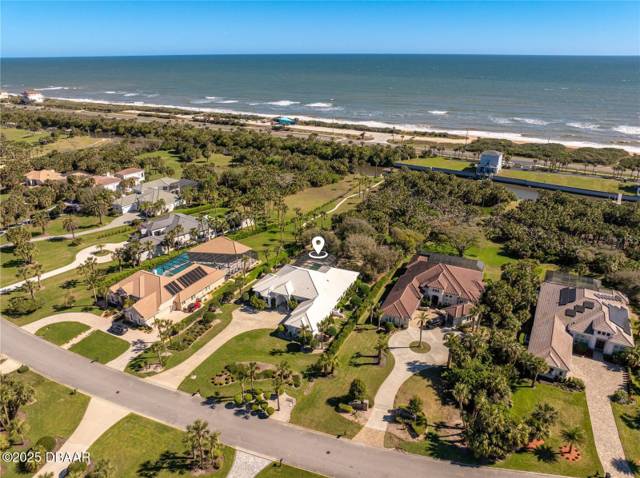 Hammock Dunes
 Hammock Dunes
 Hammock Dunes
 Hammock Dunes
 Hammock Dunes
Photos from DBAMLS listings in Hammock Dunes; content deemed reliable but not guaranteed.
Who Hammock Dunes is best for.
Best for
- Buyers prioritizing golf and beach access over move-in speed, comfortable with a 210-day median days on market.
- Buyers targeting larger homes near the 3,295.5-square-foot median who value full-time, on-site community management.
- Long-horizon buyers comfortable purchasing where 56.8% of homes carry a homestead exemption and turnover is limited.
Probably not for
- Buyers who need to close fast — with 1 active listing and a 210-day median days on market, this is not a quick-turn market.
- Buyers shopping strictly by price per square foot without factoring in the gated, golf, and beach amenity package built into the $329.51 median.
- Investors seeking high transaction velocity — closings are down 53.5% year over year on a thin 7-sale tracked window.
Price History: What Homes Here Have Actually Sold For
Median sale price over the trailing 12 months ending September 3 of each year, from record-level DBAMLS closed sales. Same methodology as every appreciation figure on this page: the 2026 point ($950K) IS the median in the snapshot above, and the move from 2025 ($1.61M) IS the -41.2% one-year change.
Windows contain 0 to 16 sales each (6 in the current window); every figure carries its sample size, and thin markets swing on single closings. © 2026 Daytona Beach Area Association of REALTORS®, Inc. Deemed reliable but not guaranteed.
19% of homes for sale in ZIP 32137 are already under contract (under contract ÷ under contract + active listings) — a read on how much of the available inventory buyers have already claimed. Source: MLS data (2026-10-20).
Hammock Dunes Market Scorecard
Hammock Dunes is currently a buyer-leaning market (limited data). About 6.0 months of supply, a median asking price of $837,000, and homes go under contract in about 27 days.
Typical home value in the 32137 ZIP is $386,060, right around the Florida norm (Zillow Home Value Index).
Go deeper: ZIP market scorecard · county scorecard · true cost calculator · affordability calculator.
Live data: © 2026 Daytona Beach Area Association of REALTORS®, Inc. Refreshed twice daily. Market metrics only; these describe homes for sale and recent sales, not residents.
Homes For Sale Right Now in Hammock Dunes
Live MLS inventory for Hammock Dunes. Every active listing, what is under contract right now, and the last 12 months of closed sales, refreshed twice a day. Closed comps beat an algorithm's guess every time.
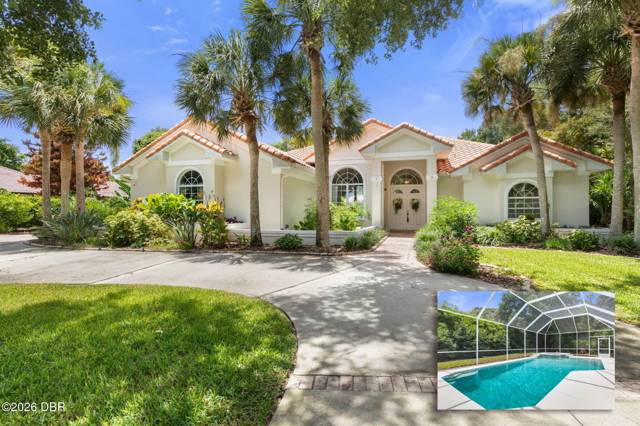
Active and pending Hammock Dunes listings as of 2026-10-19, priced high to low. © 2026 Daytona Beach Area Association of REALTORS®, Inc. Tap any home to ask about it.
Hammock Dunes on the map.
Every active, pending, and recently sold home, plotted. Toggle the layers and tap a home for the details.
Listing locations from DBAMLS. Map data © OpenStreetMap contributors.
Life at Hammock Dunes

- Gated · reported on 4 of 5 listings
- Gated with Guard · reported on 3 of 5 listings
- Fitness Center · reported on 3 of 5 listings
- Maintenance Grounds · reported on 3 of 5 listings
- Security Gate · reported on 3 of 5 listings
- Beach Access · reported on 2 of 5 listings
- Clubhouse · reported on 2 of 5 listings
- Elevator(s) · reported on 2 of 5 listings
- Maintenance Structure · reported on 2 of 5 listings
- Pool · reported on 2 of 5 listings
- Golf Course · reported on 2 of 5 listings
- Security · reported on 2 of 5 listings
Community amenities as reported across DBAAR listings in this community; deemed reliable but not guaranteed. Verify current amenities and access with the HOA.
How far is everything?
Everyday stops around Hammock Dunes are close: the nearest parks is about 3 minutes away.
- Children's Memorial Garden · Parks3 min
- Grace's Market · Groceries8 min
- Red Koi · Dining8 min
- B. Paul Katz · Shopping8 min
- The IMBing Lounge · Coffee9 min
- AdventHealth Medical Plaza · Health13 min
Approximate drive times via Mapbox Search + Directions, 2026-07-03. Verify for a specific address.
Nearby Communities
Explore more neighborhoods near Hammock Dunes with Momentum Realty’s local guides.
Schools
- Flagler County Public Schools
- Verify the zoned schools by address
- Magnet and choice options may be available
- Old Kings Elementary SchoolFLDOE grade A · Public PreK-6 (Flagler)
- Indian Trails Middle SchoolFLDOE grade A · Public 6-8 (Flagler)
- Matanzas High SchoolFLDOE grade A · Public 9-12 (Flagler)
- Imagine School at Town CenterFLDOE grade B · Public charter K-8
Grades are official Florida Department of Education school grades for 2025-26. Assignments are reported as of the 2025-26 year and can change; always confirm with Flagler County Public Schools for a specific address.
Buying with schools in mind? We can confirm the exact zoned schools for any Hammock Dunes address.
Shop the zone: Homes zoned for Old Kings Elementary School · Homes zoned for Matanzas High School
Recent Developments in Hammock Dunes
Development, infrastructure, retail, and school activity affecting Hammock Dunes, tracked by our team and summarized from public reporting and official sources, with links to the original coverage. Last updated October 2026.
- October 2026Civic
Palm Coast holds ceremonial opening of new Fire Station 22
The new station at the southeast corner of Palm Coast Parkway and Colbert Lane replaces the 1977 station and responds to about 18,700 calls a year. Funding of about $12.2 million came from the general fund, fire impact fees and American Rescue Plan money after a $5 million state appropriation was vetoed. The old station is slated to become a visitor center, though funding is not yet identified.
What it may mean for the marketAdds modernized emergency response capacity along the Palm Coast Parkway corridor. The site is about 2 miles south of Hammock Dunes.
Source: FlaglerLive - October 2026Development
Palm Coast council advances Magnolia Trace plan for 624 homes on about 1,000 acres
The Palm Coast City Council approved on first reading, 4-1, an amendment converting the former Oare continuing-care village off Belle Terre Boulevard near U.S. 1 into the Magnolia Trace Master Planned Development. The plan calls for 624 units, including single-family homes, townhouses and up to 150 apartments, and 71% of the acreage is already in conservation. A second reading is still required, and Greenpoint Holdings is under contract to buy the land.
What it may mean for the marketAdds a large block of for-sale and rental housing supply along the Belle Terre corridor, if final approval is granted. The site is about 4 miles south of Hammock Dunes.
Source: FlaglerLive - September 2026Retail & Dining
Promenade at Town Center in Palm Coast signs six tenants and opens apartment leasing
The six-building mixed-use project has signed six leases, including 6th Street Deli, Fleet Feet and AdventHealth Sports Rehab, and has begun leasing 204 apartments. It includes roughly 40,000 square feet of retail and 25,000 square feet of medical and office space. Half the buildings remain under construction and no opening date has been set.
What it may mean for the marketAdds near-term retail, medical office and rental apartment options in the Town Center area. The site is about 3 miles southwest of Hammock Dunes.
Source: FlaglerLive - June 2026Development
Palm Coast approves two commercial developments
The Palm Coast Planning Board approved two commercial projects on June 22, 2026. One is an 82,000 square foot warehouse and manufacturing development on Commerce Boulevard where manufacturer Alleima would occupy one building, and the other is a 62,000 square foot medical office complex with 43 suites on Palm Harbor Parkway.
What it may mean for the marketTwo approved commercial projects, a warehouse and manufacturing building plus a medical office complex, would expand the commercial and industrial building inventory and add finished space along Commerce Boulevard and Palm Harbor Parkway. The site is about 1 mile northwest of Hammock Dunes.
Source: FlaglerLive - June 2026Development
Palm Coast approves a 62,000-square-foot medical office building on Palm Harbor Parkway
Palm Coast also approved a two-story, 62,000-square-foot medical office building with 43 suites at 1195 Palm Harbor Parkway in June 2026. The developers project about 120 jobs when the building is fully leased.
What it may mean for the marketA new medical office complex adds healthcare capacity and professional jobs in Palm Coast, an amenity and employment factor that can support nearby housing demand. The site is about 2 miles west of Hammock Dunes.
Source: FlaglerLive - June 2026Development
Palm Coast approves an 82,000-square-foot warehouse complex where Alleima will expand
Palm Coast approved a two-building, 82,000-square-foot warehouse complex on 7.5 acres at 5 Commerce Boulevard in June 2026. Manufacturer Alleima will occupy one building and add 30 to 50 employees, with the second building marketed to other industrial tenants.
What it may mean for the marketNew industrial space and manufacturing jobs in Palm Coast strengthen the local employment base, a factor that can support housing demand nearby. The site is about 5 miles southwest of Hammock Dunes.
Source: FlaglerLive
Summaries reflect public reporting and official sources linked above as of the dates shown. Project details, timelines, and approvals can change. Commentary on potential market effects is general observation, not investment advice or a prediction for any specific property. For the freshest items across the whole region, see This Week in Northeast Florida.
The Hammock Dunes buying strategy.
If we were buying in Hammock Dunes today, this is the order of operations we would run for our clients.
Underwrite the condition first. Price the roof, HVAC, and systems honestly before judging any list price; condition swings value here more than square footage alone.
Match the home to real comps. Recent sales of similar condition and lot, not the asking price, tell you what a home is worth.
Move deliberately, not desperately. Neither side has a decisive edge, so a well-prepared, fairly-priced offer wins without overpaying.
Line up financing and inspection early. A pre-approval and an inspection plan let you act fast and negotiate from evidence.
Keep an agent in your corner. The listing agent works for the seller; we represent you and prepare a hand-built valuation before any offer in Hammock Dunes.
A market that moves on very few transactions
With only 1 active listing and a median of 7 closings in the tracked window, Hammock Dunes doesn't generate enough transaction volume to set a tight price consensus. A months-supply figure of 2.4 sits in seller-leaning territory by the math, but a market heat score of 20 signals the opposite — buyers aren't competing hard for what's out there. Both things are true at once: little sits on the market, but nothing moves quickly either.
The amenity list — guarded gate, golf course, clubhouse, fitness center, pool, and beach access, all under full-time, on-site management — is what supports a $329.51 per square foot median in a community with homes as old as 1955 sitting beside builds from 2024. Buyers aren't only paying for square footage; they're paying for the operational upkeep of grounds, structure, and security that full-time management implies. Verify current amenities and access terms directly with the HOA before writing an offer — the list is drawn from MLS reporting, not the association itself.
The location and the amenities are priced into every listing in Hammock Dunes. The deal is won or lost on condition, the comps, and the renovation math.
Momentum Buy Score.
Our proprietary 0 to 10 read across the factors that decide how a home in Hammock Dunes buys, holds, and resells. Momentum Research; not an appraisal.
Momentum Intelligence Scores are our proprietary, qualitative assessment on a 0 to 10 scale, built from the record-level market data on this page. They are a framework for comparing communities, not a guarantee of future value and not advice on a specific home; unlike an automated value estimate they do not price your home, they grade the community on evidence you can inspect. Composite is the plain average of the 3 factors (3.2). Basis: Recent Direction -41.2% year-over-year; Liquidity & Demand 2.4 months of supply; Pricing Power 87.9% sale-to-list. Refreshed with each data update.
Why work with Momentum here
In a community running on 1 active listing and a median 210 days on market, pricing a home correctly the first time matters more than usual — there's no deep pool of live comparables to lean on, and a stale listing in a 626-home community gets noticed. Momentum tracks Hammock Dunes' closed activity, not just what's currently showing, so sellers price against what actually sold and buyers know what a $750,000, $329.51-per-square-foot median is really buying before they write an offer.
Hammock Dunes in 15 seconds.
Email me new listings in Hammock Dunes
One e-mail a day, only when a home lists here, with price, beds, baths and a link to every listing. Straight from the MLS feed; no account needed.
Ask an agent about Hammock Dunes
Have a question about the homes, fees, rules or commute here? A Momentum agent who works Hammock Dunes will answer, and the answer is published on this page for the next buyer.
HOA, CDD & Fees
- No CDD
- HOA reported ~$270/month
- Any club/amenity membership is billed separately
Confirm the current HOA dues, exactly what they cover, and any CDD bond or special assessment for a specific address before you offer.
Page states no CDD.
Tools for a Hammock Dunes buy.
Free calculators to pressure-test the real cost before you tour.
Selling here is won on condition and pricing to real comps, not an automated estimate. The right number comes from closed Hammock Dunes sales matched to your home.
Price it to the comps and condition, not an automated estimate.
If you are thinking about selling in Hammock Dunes, the right list price comes from recent comparable sales matched to your home's condition and location, not an automated estimate.
What is your Hammock Dunes home worth?
Get a no-obligation home value based on real comparable sales in Hammock Dunes, not an automated guess. Tell us about your home and we will personally prepare your numbers and a pricing strategy. No obligation, no spam.
See all homes for sale in Palm Coast →
Recently off market in Hammock Dunes
Homes in Hammock Dunes that recently left the market. Each address opens its public-record profile: county-recorded value, property taxes, the last recorded sale, community sales history, and what is for sale nearby now. 1 on record.
- 10 Rue Grande Mer · off market
| Location | Palm Coast, Flagler County, FL · ZIP 32137 |
|---|---|
| Amenities listed by sellers | 24 Hour Security, Beach Access, Clubhouse, Elevator(s), Fitness Center, Gated |
| Sale prices, last 12 months | $950,000 median across 6 closed sales · $337 per sq ft · -41.2% vs the prior 12 months |
| Days on market (closed sales) | 185 median |
| For sale right now | 1 active, 0 pending · median asking $2,599,995 · 2.4 months of supply |
| Zoned public schools | Old Kings Elementary School (A, FLDOE 2025-26); Indian Trails Middle School (A, FLDOE 2025-26); Matanzas High School (A, FLDOE 2025-26) |
Data as of September 3, 2026. © 2026 Daytona Beach Area Association of REALTORS®, Inc. Market figures describe homes, not residents. Cite as: Momentum Realty, “Hammock Dunes key facts,” movewithmomentum.com/neighborhoods/hammock-dunes-palm-coast, data as of September 3, 2026.
Every Home for Sale in Hammock Dunes Palm Coast Right Now (1)
All 1 active and pending Hammock Dunes Palm Coast listings with a detail page, newest first, refreshed twice a day from the MLS.
- 9 Via Verona · $837,000 · 3 bd / 3 ba · listed Sep 24, 2026 · listed by Take Action Properties LLC
More Palm Coast home searches
- All homes for sale in Palm Coast, FL
- Homes for sale in Flagler County, FL
- Palm Coast pool homes for sale
- Palm Coast waterfront homes for sale
- Gated communities in Palm Coast
- Palm Coast golf course homes
- Homes under $300K in Palm Coast
- Homes from $300K to $500K in Palm Coast
- 4-bedroom homes for sale in Palm Coast
- Palm Coast home values: what is my house worth?
Palm Coast guides & data
- Market data
- Cost of living
- Best neighborhoods
- Property taxes (Flagler County)
- Homestead exemption (Flagler County)
- Home insurance cost
- ZIP codes
- Gated communities guide
Florida buyer guides
- Florida home insurance rates by county
- Florida property tax by county
- Florida property tax calculator
- What flood zone X means
- The 4-point inspection, explained
- Florida flood insurance calculator
Real estate agent in Palm Coast? Join Momentum in Palm Coast: 100% commission, one $12K cap.
Streets in this community
Street-level pages: every home on record, what sold and what is for sale on each street.
- Island Estates Parkway (66 homes on record)
- N Ocean Shore Boulevard (2 homes on record)
Frequently Asked Questions
What is the median home price in Hammock Dunes?
How long do homes in Hammock Dunes take to sell?
Is Hammock Dunes a buyer's or seller's market right now?
What schools serve Hammock Dunes?
Who is the best real estate agent for Hammock Dunes?
How do I find a top Palm Coast real estate agent who knows Hammock Dunes?
Can Momentum Realty connect me with an agent for Hammock Dunes?
Where is Hammock Dunes, and what county is it in?
Is Hammock Dunes a good place to live?
Should you buy in Hammock Dunes?
An honest fit check. We will tell you when it is not your community.
Data sources & freshness
| Live listings | DBAMLS, refreshed twice daily (last: October 19, 2026) |
| Community market stats | DBAMLS closed sales, 12-month windows ending September 3, 2026 |
| Under-contract shares | DBAMLS records, as of 2026-08-30 |
| Schools | 2025-26 district assignments + FLDOE school grades; verify with the district |
| Historical depth | Closed-sale records back to 2002 (117 transactions analyzed) |
Verify the primary sources yourself: Florida DOR · U.S. Census · FEMA flood maps · Citizens Property Insurance.
Momentum Research figures are our own analysis of DBAMLS records; MLS data is deemed reliable but not guaranteed. Methodology: how Momentum market scores are computed. Market metrics describe homes for sale and recent sales, not residents.
Own a home here?
You just read the data. Now see what your home is worth.
The numbers on this page move markets in the aggregate. The number that matters to you is what a buyer pays for your address. Momentum sells for 1.25% above the DBAMLS member average and 8 days faster, and we’ll price yours against live local comps.
Looking to buy here? Search homes for sale →
What’s your home worth in your area?
A real valuation with real comps from a local listing agent, not an instant algorithm. Response within one business day.
See how Hammock Dunes fits the bigger picture — live prices, inventory, and Momentum Scores:
More on Hammock Dunes
- Home values · What homes in Hammock Dunes actually sell for
- Find an agent · How to choose the best real estate agent in Hammock Dunes