
Rolling River Estates
Homes for Sale in Jacksonville, FL
All 4,097 homes for sale in Jacksonville, FL · median $299,900 · 237 homes for sale in 32219 · Duval County homes for sale
True comps, carrying-cost math, and listings before the portals.
Market Heat
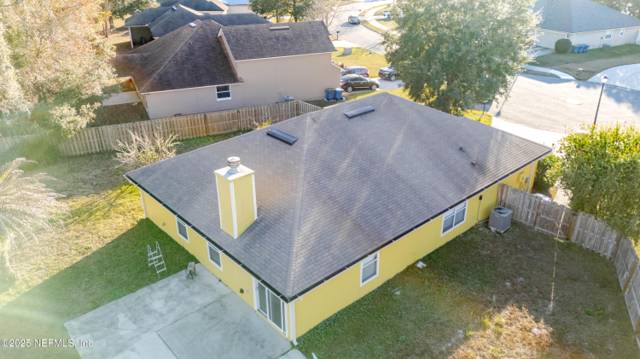
Photo courtesy of GOLDEN PEN REALTY LLC · via realMLS
As of October 2026, Rolling River Estates in Jacksonville, FL has 4 homes for sale and 1 pending, asking from $260,000 to $350,000 (median $290,000). Over the 12 months ending 2026-10-10, 6 recorded sales closed at a median of $270,500, $162 per square foot, a median 68 days on market, sellers accepting 98% of original asking (-2% versus the prior year). Homes listed or recently sold were built 1991–2008; 10 of 11 report an HOA (median $31/mo); none of the 11 geocoded homes sit in a FEMA special flood hazard zone (median elevation 16 ft). At the median price and Duval County's FY2025-26 rate of 17.86 mills, annual property tax runs about $4,830 ($4,100 with the full homestead exemption).
| Location | Jacksonville, Duval County, FL · ZIP 32219 |
|---|---|
| Homes in the community | 166 (FL DOR 2025 assessment roll) |
| Years built | 1991–2009 (median 2004) |
| Typical living area | 1,823 sq ft (median) |
| Home types (current listings and sales) | single-family 100% |
| Amenities listed by sellers | Park, Playground, Basketball Court, Carbon Monoxide Detector(s), 24 Hour Security, Fire Alarm |
| Sale prices, last 12 months | $270,500 median across 6 closed sales · $162 per sq ft · -2.0% vs the prior 12 months |
| Days on market (closed sales) | 68 median |
| For sale right now | 5 active, 0 pending · median asking $309,900 · 10.0 months of supply |
| Owner-occupied (homestead) share | 65% |
| Zoned public schools | Dinsmore Elementary School (A, FLDOE 2025-26); Highlands Middle School (C, FLDOE 2025-26); Jean Ribault High School (A, FLDOE 2025-26) |
Data as of October 10, 2026. Data provided by realMLS; housing-stock figures from Florida Department of Revenue public records. Market figures describe homes, not residents. Cite as: Momentum Realty, “Rolling River Estates key facts,” movewithmomentum.com/neighborhoods/rolling-river-estates-jacksonville, data as of October 10, 2026.
Last 30 days in Rolling River Estates: 1 new listing (median asking $270,000), 1 under contract right now, 1 closed sale (median $272,000). As of October 10, 2026, realMLS.
Homes For Sale Right Now in Rolling River Estates
Live MLS inventory for Rolling River Estates. Every active listing, what is under contract right now, and the last 12 months of closed sales, refreshed twice a day. Closed comps beat an algorithm's guess every time.
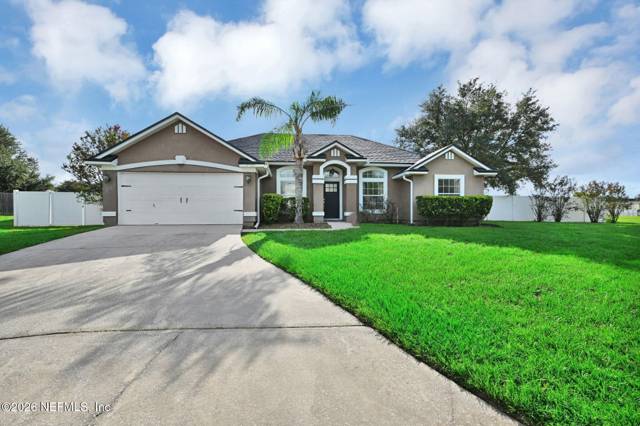 Active · 70 daysTop listing
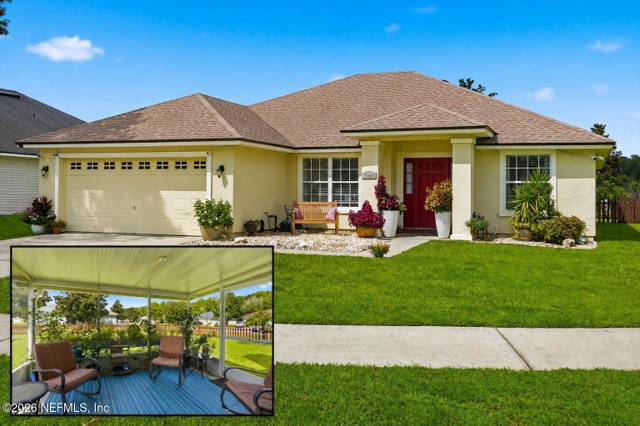 Active · 41 days
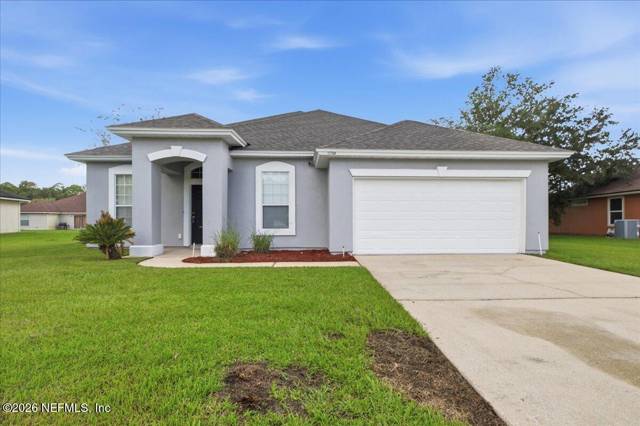 Active · 42 days
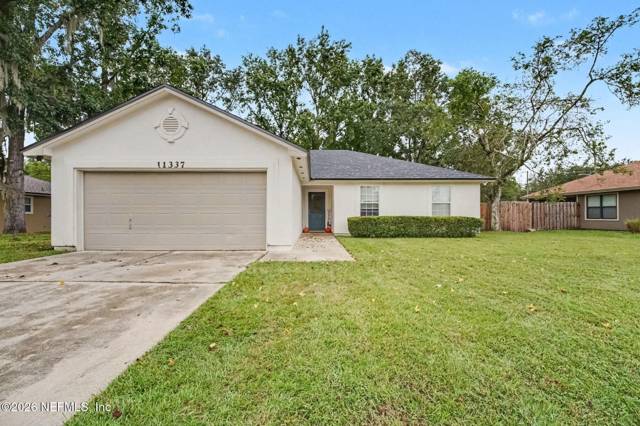 Active · 1 days
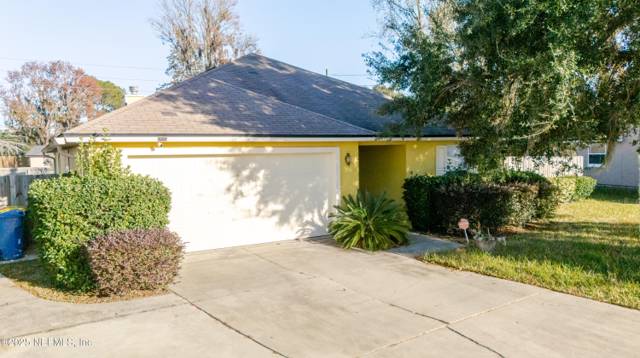 Active · 224 days
Active and pending Rolling River Estates listings as of 2026-10-10, priced high to low. Source: Data provided by realMLS. Tap any home to ask about it.
Every Home for Sale in Rolling River Estates Jacksonville Right Now (5)
All 5 active and pending Rolling River Estates Jacksonville listings with a detail page, newest first, refreshed twice a day from the MLS.
- 11337 Salt Pond Drive · $270,000 · 3 bd / 2 ba · listed Oct 9, 2026 · listed by Mark Spain Real Estate
- 7285 Rapid River Drive · $310,000 · 3 bd / 2 ba · listed Aug 30, 2026 · listed by Florida Homes Realty & Mtg Llc
- 11758 Rolling River Boulevard · $309,900 · 4 bd / 2 ba · pending · listed Aug 29, 2026 · listed by Re/Max Specialists
- 11407 Deep Springs Drive · $350,000 · 4 bd / 2 ba · listed Aug 1, 2026 · listed by Homecoin.Com
- 11935 Crooked River Road · $260,000 · 4 bd / 2 ba · listed Jul 12, 2026 · listed by Golden Pen Realty Llc

Price here is set less by lot size and more by condition and vintage: homes across Rolling River Estates span builds from 1991 to 2013, with a median year built of 2005 and a median living area of 1,882 square feet. At a median price of $287,000 and roughly $180.31 per square foot, updated interiors and overall condition tend to separate the top and bottom of the range more than square footage alone.
The current posture is balanced — a 4.8-month supply against just two active listings out of 424 homes in the community, with a median time on market of about 16.5 days. Prices are up 3.4% year over year and have climbed 235% since 2012, a pace that argues for sellers pricing to the comparable evidence rather than chasing the last closed sale, and for buyers moving decisively when a well-priced, well-maintained home appears.
Rolling River Estates right now
🟢 Buyer-leaning market. 10.0 months of supply and 0% of the inventory already under contract give buyers above-average negotiating leverage.Why it matters: months of supply is how long today's inventory would last at today's sales pace; under-contract share is the portion of homes for sale that already have a buyer.Momentum Research analysis of realMLS records, as of October 10, 2026. Confidence: Medium (5 active and pending listings, 6 closed sales in 12 months).
🟡 Off the recent peak. The trailing-12-month median ($270K) is down 2.0% from the prior 12 months ($276K) and up 208% since 2012. With about a dozen sales a year, a single closing can swing this number, so read the level and the decade, not one year's move.Momentum Research, record-level realMLS closed sales, 12-month windows ending October 10. Confidence: Medium (6 and 12 sales in the two windows).
Jump to: Price history & scorecard · Homes for sale · Schools · FAQ
· Updated October 11, 2026 · Live data: realMLS, refreshed twice daily · MLS facts carry their source; interpretation lines are Momentum Research · Data sources & freshness
The 60-Second Overview
Rolling River Estates market snapshot (as of October 10, 2026): the median sale price is about $270K ($162 per sq ft over the trailing 12 months of closed sales), a median 68 days on market for closed sales, and 10.0 months of supply, a buyer-leaning market. The trailing-12-month median is down 2% from the prior 12 months and up 208% since 2012, computed from record-level realMLS closed sales (6 closings in the current window).
In ZIP 32219 (Jacksonville), 804 homes closed in the last 12 months at a median of $316K ($175/sq ft), up 0.7% year over year, with a median 59 days on market. Right now 213 active and 80 pending listings put supply at about 10.7 months — a buyer's market. See the live ZIP 32219 housing market and the Duval County market.
County records show 12 qualified sales in Rolling River Estates across 2024–2025 (6 in 2024, 6 in 2025), median $300,000 — the last recorded sale per parcel on the Florida DOR 2025 assessment roll, independent of the MLS.
Flood zones in Rolling River Estates: of 9 listing addresses checked against the FEMA National Flood Hazard Layer, 100% sit outside the FEMA Special Flood Hazard Area (Zone X). Individual parcels vary - verify any specific address at msc.fema.gov. See flood zones by neighborhood in Jacksonville.
Rolling River Estates is a community of 166 homes in Jacksonville, Duval County, built between 1991 and 2009 (median 2004), with a median living area of about 1,823 square feet. 65% of parcels are homesteaded, the owner-occupancy proxy in the Florida DOR assessment roll (2025 roll, public records).
Rolling River Estates is an established Duval County community of 424 homes built mostly between 1991 and 2013, where about two-thirds carry a homestead exemption, indicating most are owner-occupied primary residences rather than rentals or investment holdings.
The setting & the homes.
Aerial and on-site photos of Rolling River Estates. Swipe to explore the community.
Swipe or use the arrows → tap any photo to enlarge
Rolling River Estates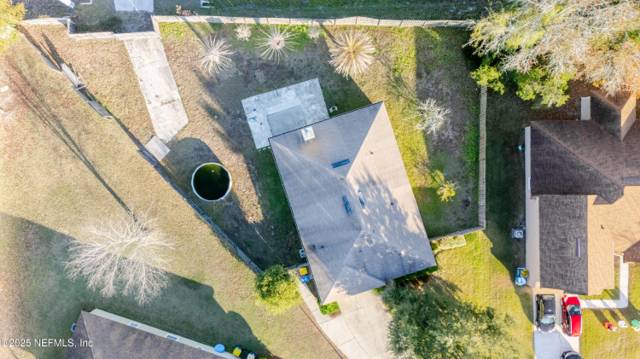 Rolling River Estates
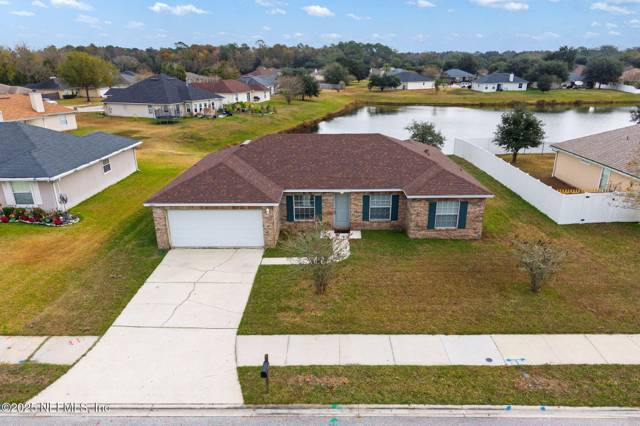 Rolling River Estates
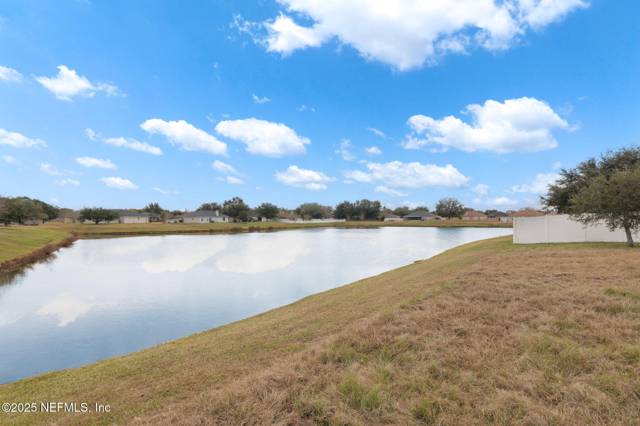 Rolling River Estates
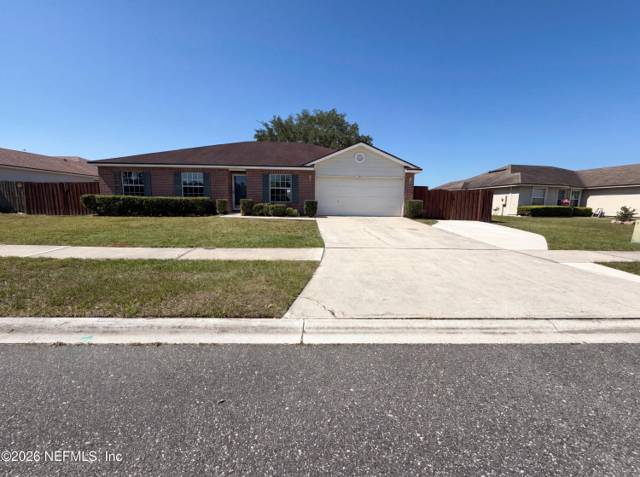 Rolling River Estates
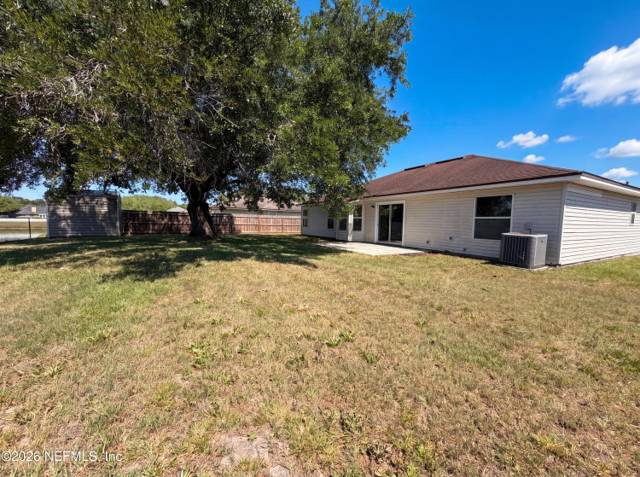 Rolling River Estates
Photos from realMLS listings in Rolling River Estates; content deemed reliable but not guaranteed.
Who Rolling River Estates is best for.
Best for
- Buyers looking for an established Duval County community with homes built mostly between 1991 and 2013 and comfortable with a limited active-listing pool.
- Sellers with a well-maintained, move-in-ready home near the 1,882-square-foot median who want to test a balanced market with a median 16.5-day time on market.
- Buyers or investors comfortable pricing off a $180.31-per-square-foot benchmark rather than a wide range of comparable active listings.
Probably not for
- Buyers who need to compare a wide selection of active listings before deciding — inventory here is currently just two homes.
- Buyers on a strict budget below the community's $287,000 median who need lower-priced entry points elsewhere.
- Sellers hoping for pricing power beyond the recent 3.4% year-over-year pace.
Price History: What Homes Here Have Actually Sold For
Median sale price over the trailing 12 months ending October 10 of each year, from record-level realMLS closed sales. Same methodology as every appreciation figure on this page: the 2026 point ($270K) IS the median in the snapshot above, and the move from 2025 ($276K) IS the -2.0% one-year change.
Windows contain 6 to 24 sales each (6 in the current window); every figure carries its sample size, and thin markets swing on single closings. Source: Data provided by realMLS. Deemed reliable but not guaranteed.
29% of homes for sale in ZIP 32219 are already under contract (under contract ÷ under contract + active listings) — a read on how much of the available inventory buyers have already claimed. Source: MLS data (2026-10-11).
Rolling River Estates Market Scorecard
Rolling River Estates is currently a strong buyer's market. About 10.0 months of supply, a median asking price of $309,900, and homes go under contract in about 42 days.
Typical home value in the 32219 ZIP is $291,053, about 9.9% below the Florida norm (Zillow Home Value Index).
Go deeper: ZIP market scorecard · county scorecard · true cost calculator · affordability calculator.
Live data: realMLS, refreshed twice daily. Typical value: Zillow Research. Market metrics only; these describe homes for sale and recent sales, not residents.
Housing distress & ownership in Rolling River Estates, Jacksonville
Who owns here, how much is not owner-occupied, and how much for-sale inventory is under distress.
Source: Momentum Realty Research. Ownership & parcels from the FL DOR 2025 tax roll; distress from MLS active-listing status/remarks; price from MLS closed sales. Source: Data provided by realMLS. Deemed reliable but not guaranteed.
Rolling River Estates on the map.
Every active, pending, and recently sold home, plotted. Toggle the layers and tap a home for the details.
Listing locations from realMLS. Map data © OpenStreetMap, tiles © CARTO.
Life at Rolling River Estates
- Park · reported on 2 of 4 listings
- Playground · reported on 2 of 4 listings
- Basketball Court · reported on 1 of 4 listings
- 24 Hour Security · reported on 1 of 4 listings
Community amenities as reported across realMLS listings in this community; deemed reliable but not guaranteed. Verify current amenities and access with the HOA.
How far is everything?
Everyday stops around Rolling River Estates are close: the nearest parks is about 1 minutes away.
- Dinsmore Playground · Parks1 min
- Hotwok · Dining4 min
- Dunn Village · Groceries5 min
- Campus Corners · Shopping9 min
- Baptist Heart Specialists · Health9 min
- Starbucks Kiosk · Coffee10 min
Approximate drive times via Mapbox Search + Directions, 2026-07-03. Verify for a specific address.
Streets in this community
Street-level pages: every home on record, what sold and what is for sale on each street.
- Rolling River Boulevard (44 homes on record)
- Crooked River Road (24 homes on record)
- Raindrop Road (21 homes on record)
- Rapid River Drive (12 homes on record)
- Crystal River Road (11 homes on record)
Nearby Communities
Explore more neighborhoods near Rolling River Estates with Momentum Realty’s local guides.
Schools
- Duval County Public Schools
- Verify the zoned schools by address
- Magnet and choice options may be available
- Dinsmore Elementary SchoolFLDOE grade A · Public (zoned; confirm by address)
- Highlands Middle SchoolFLDOE grade C · Public 6-8 (zoned; confirm by address)
- Jean Ribault High SchoolFLDOE grade A · Public 9-12 (zoned; confirm by address)
Grades are official Florida Department of Education school grades for 2025-26. Assignments are reported as of the 2025-26 year and can change; always confirm with Duval County Public Schools for a specific address.
Buying with schools in mind? We can confirm the exact zoned schools for any Rolling River Estates address.
Shop the zone: Homes zoned for Dinsmore Elementary School · Homes zoned for Highlands Middle School · Homes zoned for Jean Ribault High School
The Rolling River Estates buying strategy.
If we were buying in Rolling River Estates today, this is the order of operations we would run for our clients.
Underwrite the condition first. Price the roof, HVAC, and systems honestly before judging any list price; condition swings value here more than square footage alone.
Match the home to real comps. Recent sales of similar condition and lot, not the asking price, tell you what a home is worth.
Use your leverage. With inventory sitting, there is room to negotiate on anything dated or overpriced and to ask for repairs or a rate buydown.
Line up financing and inspection early. A pre-approval and an inspection plan let you act fast and negotiate from evidence.
Keep an agent in your corner. The listing agent works for the seller; we represent you and prepare a hand-built valuation before any offer in Rolling River Estates.
What the Numbers Say About Rolling River Estates
With only two active listings against 424 total homes, available inventory in Rolling River Estates is thin, and the 4.8-month supply keeps the market in balanced territory rather than tilting sharply toward either side. A median 16.5 days on market signals that accurately priced, presentable listings are not sitting long, though thin inventory also means fewer direct comparables to lean on when setting a price.
The community's amenity set — park, playground, basketball court, and 24-hour security, as reported across this community's MLS listings — adds to the value case, though buyers and sellers should verify current amenities and access directly with the HOA rather than assume every listing's disclosures are current. At $180.31 per square foot and a median 1,882-square-foot floor plan, the per-square-foot math is a useful cross-check against any specific home's asking price.
The location and the amenities are priced into every listing in Rolling River Estates. The deal is won or lost on condition, the comps, and the renovation math.
Momentum Buy Score.
Our proprietary 0 to 10 read across the factors that decide how a home in Rolling River Estates buys, holds, and resells. Momentum Research; not an appraisal.
Momentum Intelligence Scores are our proprietary, qualitative assessment on a 0 to 10 scale, built from the record-level market data on this page. They are a framework for comparing communities, not a guarantee of future value and not advice on a specific home; unlike an automated value estimate they do not price your home, they grade the community on evidence you can inspect. Composite is the plain average of the 5 factors (6.1). Basis: Long-Term Appreciation +208% since 2012; Recent Direction -2.0% year-over-year; Liquidity & Demand 10.0 months of supply; Owner Commitment 65% owner-occupied; Pricing Power 97.5% sale-to-list. Refreshed with each data update.
Why work with Momentum here
In a market this thin — two active listings against 424 homes — pricing and timing decisions carry more weight than they would in a deeper inventory pool. Momentum tracks Rolling River Estates directly inside the realmls feed, which means current pricing, days-on-market pace, and supply conditions inform the conversation from the first call rather than a generic city-wide estimate.
Rolling River Estates in 15 seconds.
HOA, CDD & Fees
- No CDD
- HOA reported ~$93/quarter
- Any club/amenity membership is billed separately
Confirm the current HOA dues, exactly what they cover, and any CDD bond or special assessment for a specific address before you offer.
Page states no CDD.
Flood & Insurance Context
Of 8 sampled listing addresses in this community: 100% outside the FEMA Special Flood Hazard Area (Zone X/B/C).
Address-sampled; individual parcels vary - verify any specific address at msc.fema.gov. Check any address at FEMA's Flood Map Service Center, and see average home-insurance costs by Florida county.
Source: FEMA National Flood Hazard Layer, address-level lookups (n=8) · as of 2026-10
Tools for a Rolling River Estates buy.
Free calculators to pressure-test the real cost before you tour.
Selling here is won on condition and pricing to real comps, not an automated estimate. The right number comes from closed Rolling River Estates sales matched to your home.
Price it to the comps and condition, not an automated estimate.
If you are thinking about selling in Rolling River Estates, the right list price comes from recent comparable sales matched to your home's condition and location, not an automated estimate.
What is your Rolling River Estates home worth?
Get a no-obligation home value based on real comparable sales in Rolling River Estates, not an automated guess. Tell us about your home and we will personally prepare your numbers and a pricing strategy. No obligation, no spam.
See all homes for sale in Jacksonville →
Recently off market in Rolling River Estates
Homes in Rolling River Estates that recently left the market. Each address opens its public-record profile: county-recorded value, property taxes, the last recorded sale, community sales history, and what is for sale nearby now. 6 on record.
- 11262 Salt Pond Drive · off market
- 11424 Rolling River Boulevard · off market
- 11550 W Deep Springs Drive · off market
- 11673 Rolling River Boulevard · off market
- 11714 Raindrop Road · off market
- 6759 Salt Pond Drive · off market
More Jacksonville home searches
- All homes for sale in Jacksonville, FL
- Homes for sale in Duval County, FL
- Jacksonville pool homes for sale
- Jacksonville waterfront homes for sale
- Gated communities in Jacksonville
- Jacksonville golf course homes
- Homes under $300K in Jacksonville
- Homes from $300K to $500K in Jacksonville
- 4-bedroom homes for sale in Jacksonville
- Jacksonville home values: what is my house worth?
Frequently Asked Questions
What is the median home price in Rolling River Estates?
How long do homes in Rolling River Estates take to sell?
Is Rolling River Estates a buyer's or seller's market right now?
How many homes are in Rolling River Estates?
What share of Rolling River Estates is owner-occupied?
When were the homes in Rolling River Estates built?
Have Rolling River Estates home prices gone up?
What schools serve Rolling River Estates?
Who is the best real estate agent for Rolling River Estates?
How do I find a top Jacksonville real estate agent who knows Rolling River Estates?
Can Momentum Realty connect me with an agent for Rolling River Estates?
Where is Rolling River Estates, and what county is it in?
How far is Rolling River Estates from downtown Jacksonville and the beach?
Is Rolling River Estates a good place to live?
Should you buy in Rolling River Estates?
An honest fit check. We will tell you when it is not your community.
Data sources & freshness
| Live listings | realMLS, refreshed twice daily (last: October 10, 2026) |
| Community market stats | realMLS closed sales, 12-month windows ending October 10, 2026 |
| Housing stock & ownership | Florida DOR assessment roll (street-list match (3 streets, ZIP 32218/32219/32226/32244/32259)) |
| Under-contract shares | realMLS records, as of 2026-10-10 |
| Schools | 2025-26 district assignments + FLDOE school grades; verify with the district |
| Historical depth | Closed-sale records back to 2003 (436 transactions analyzed) |
Verify the primary sources yourself: Florida DOR · U.S. Census · FEMA flood maps · Citizens Property Insurance.
Momentum Research figures are our own analysis of realMLS records; MLS data is deemed reliable but not guaranteed. Methodology: how Momentum market scores are computed. Market metrics describe homes for sale and recent sales, not residents.
Own a home here?
You just read the data. Now see what your home is worth.
The numbers on this page move markets in the aggregate. The number that matters to you is what a buyer pays for your address. Momentum sells for 1.25% above the realMLS member average and 8 days faster, and we’ll price yours against live local comps.
Looking to buy here? Search homes for sale →
What’s your home worth in your area?
A real valuation with real comps from a local listing agent, not an instant algorithm. Response within one business day.
See how Rolling River Estates fits the bigger picture — live prices, inventory, and Momentum Scores:
More on Rolling River Estates
- Home values · What homes in Rolling River Estates actually sell for