
Trout River
Homes for Sale in Jacksonville, FL
All 4,522 homes for sale in Jacksonville, FL · median $300,000 · 163 homes for sale in 32208 · Duval County homes for sale
True comps, carrying-cost math, and listings before the portals.
Market Heat
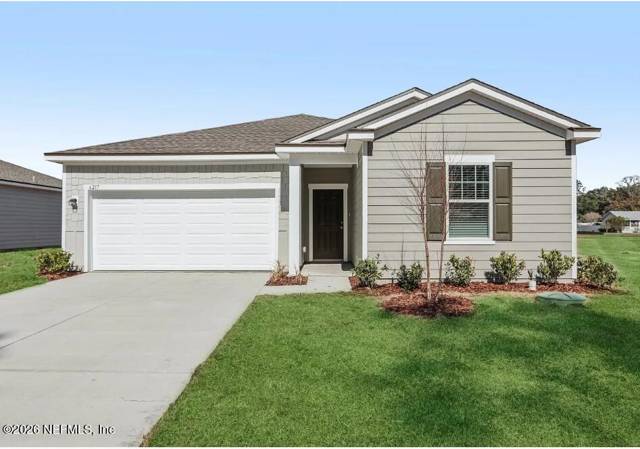
Photo courtesy of ASHTON WOODS FLORIDA REALTY LLC · via realMLS
As of October 2026, Trout River in Jacksonville, FL has 22 homes for sale and 4 pending, asking from $207,645 to $2,300,000 (median $249,190). Over the 12 months ending 2026-10-23, 44 recorded sales closed at a median of $239,950, $165 per square foot, a median 32 days on market, sellers accepting 98% of original asking (+7% versus the prior year). Homes listed or recently sold were built 1960–2026 with 36 new construction; 36 of 38 report an HOA (median $61/mo); none of the 38 geocoded homes sit in a FEMA special flood hazard zone (median elevation 14 ft). At the median price and Duval County's FY2025-26 rate of 17.86 mills, annual property tax runs about $4,290 ($3,550 with the full homestead exemption).
Last 30 days in Trout River: 3 new listings (median asking $349,240), 4 under contract right now, 4 closed sales (median $236,500). As of October 24, 2026, realMLS.
Homes For Sale Right Now in Trout River
Live MLS inventory for Trout River. Every active listing, what is under contract right now, and the last 12 months of closed sales, refreshed twice a day. Closed comps beat an algorithm's guess every time.
 Active · 5 daysTop listing
 Active · 25 days
 Active · 27 days
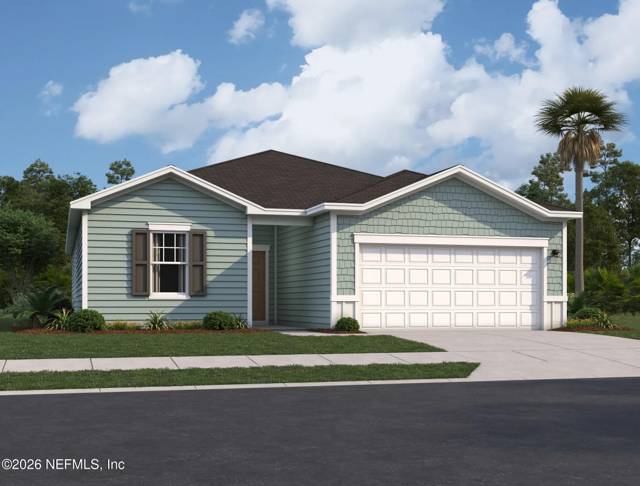 Active · 64 days
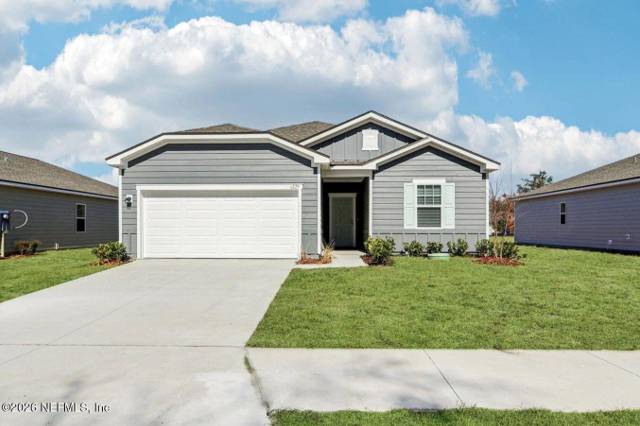 Active · 142 days
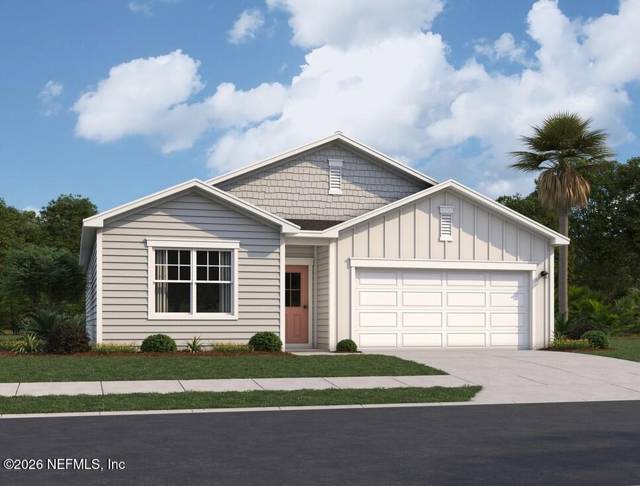 Active · 48 days
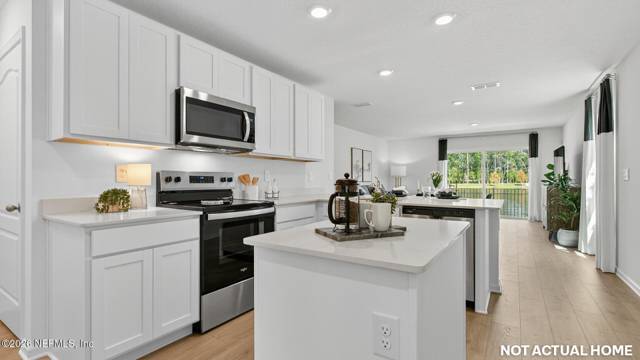 Active · 125 days
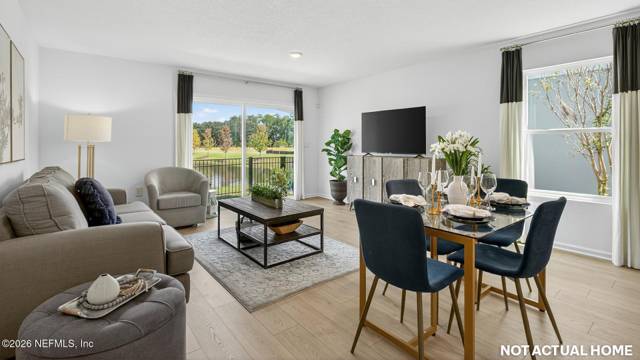 Active · 27 days
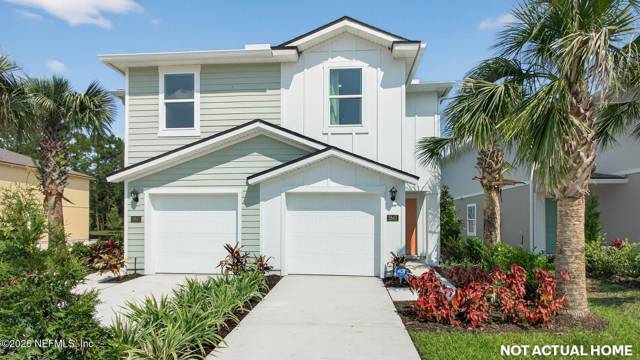 Active · 27 days
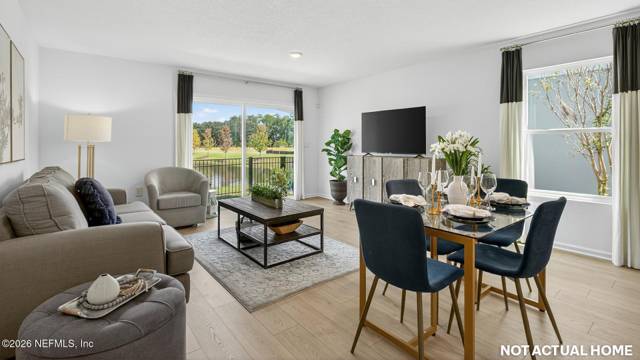 Active · 144 days
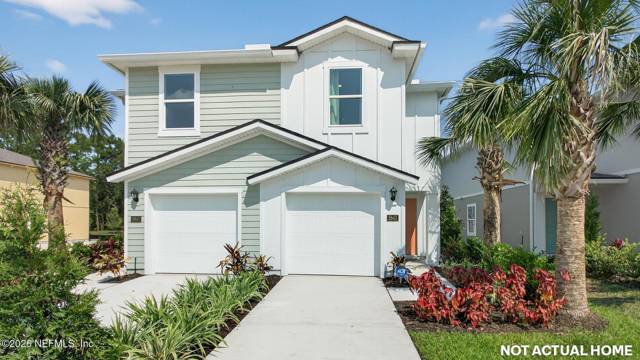 Active · 144 days
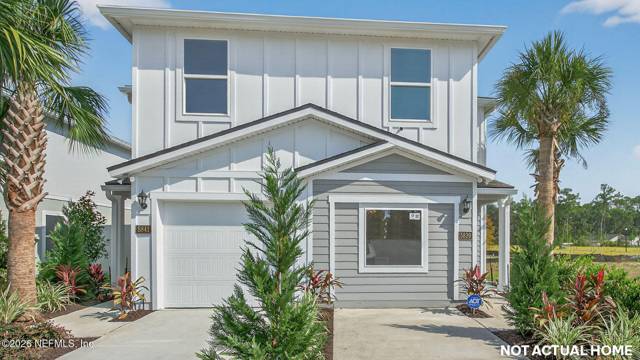 Active · 35 days
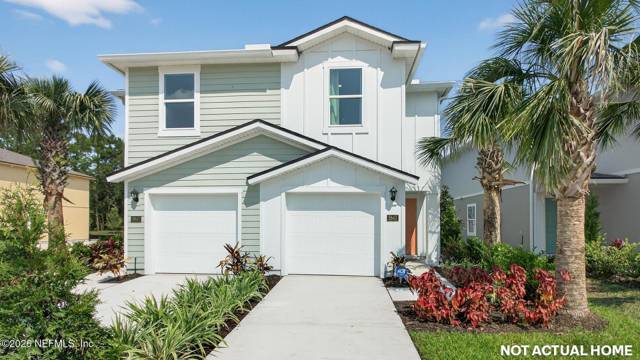 Active · 125 days
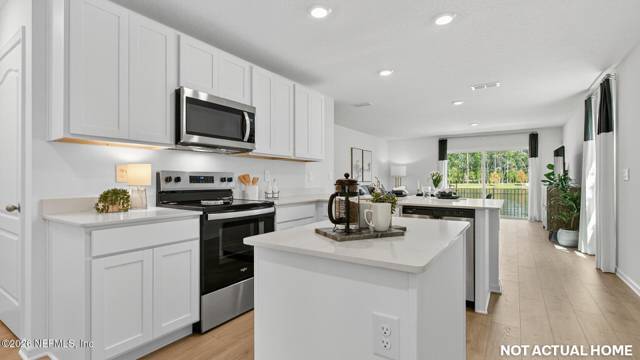 Active · 144 days
Active and pending Trout River listings as of 2026-10-21, priced high to low. Source: Data provided by realMLS. Tap any home to ask about it.

Trout River's price story comes down to age and condition more than location. With a median year built of 1955 and homes spanning a build range from 1909 to 2024, this Jacksonville pocket mixes original mid-century stock with newer construction, and that spread is what's driving the current median price of $244,990 and a median price per square foot of $172.58. On a typical home near 1,675.5 square feet, that per-foot number tells you condition and updates matter more here than they would in a single-era subdivision.
Right now the market reads buyer-leaning, and the numbers back that up: 6.6 months of supply against just 17 active listings across a base of 1,016 homes, a median 32 days on market, 31 closings in the current reporting window, and a year-over-year swing of 75%. That combination — thin active inventory but a buyer-favoring supply band — is a signal to move with a clear number in mind rather than chase the listing price, and for sellers it means pricing to the comps rather than the last closed deal.
Figures in this note are as of July 15, 2026. The live market numbers elsewhere on this page update nightly and are newer.
Trout River right now
🟢 Buyer-leaning market. 6.4 months of supply and 15% of the inventory already under contract give buyers above-average negotiating leverage.Why it matters: months of supply is how long today's inventory would last at today's sales pace; under-contract share is the portion of homes for sale that already have a buyer.Momentum Research analysis of realMLS records, as of October 23, 2026. Confidence: Very High (27 active and pending listings, 44 closed sales in 12 months).
🟡 Still climbing. The trailing-12-month median ($240K) is up 7.4% from the prior 12 months ($224K). With about a dozen sales a year, a single closing can swing this number, so read the level and the decade, not one year's move.Momentum Research, record-level realMLS closed sales, 12-month windows ending October 23. Confidence: Medium (44 and 11 sales in the two windows).
Jump to: Price history & scorecard · Homes for sale · Schools · FAQ
· Updated October 24, 2026 · Live data: realMLS, refreshed twice daily · MLS facts carry their source; interpretation lines are Momentum Research · Data sources & freshness
The 60-Second Overview
Trout River market snapshot (as of October 23, 2026): the median sale price is about $240K ($165 per sq ft over the trailing 12 months of closed sales), a median 32 days on market for closed sales, and 6.4 months of supply, a buyer-leaning market. The trailing-12-month median is up 7% from the prior 12 months, computed from record-level realMLS closed sales (44 closings in the current window).
In ZIP 32208 (Jacksonville), 357 homes closed in the last 12 months at a median of $165K ($125/sq ft), down 0.8% year over year, with a median 41 days on market. Right now 88 active and 18 pending listings put supply at about 9.8 months — a buyer's market. See the live ZIP 32208 housing market and the Duval County market.
realMLS (Northeast Florida) sales records identify 21 homes in Trout River that have changed hands since 2001, built between 1939 and 2025 (median 1952), with a median living area of about 1,284 sq ft and a typical 3-bedroom, 2-bath layout; 100% are single-family homes. Source: realMLS (Northeast Florida) closed-sale history compiled by Momentum Research; counts reflect homes with a recorded MLS sale, not every home in the community.
Flood zones in Trout River: of 26 listing addresses checked against the FEMA National Flood Hazard Layer, 100% sit outside the FEMA Special Flood Hazard Area (Zone X). Individual parcels vary - verify any specific address at msc.fema.gov. See flood zones by neighborhood in Jacksonville.
Trout River pairs a large, established housing stock (1,016 homes) with a build range running from 1909 all the way to 2024, so buyers here are choosing between a genuine architectural spread rather than a single-era subdivision.
The setting & the homes.
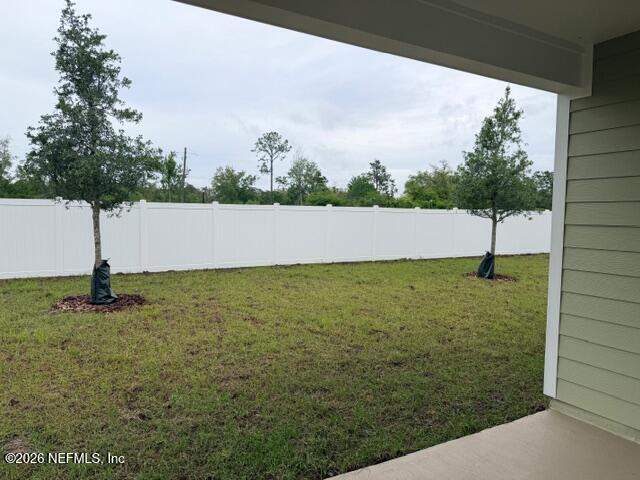
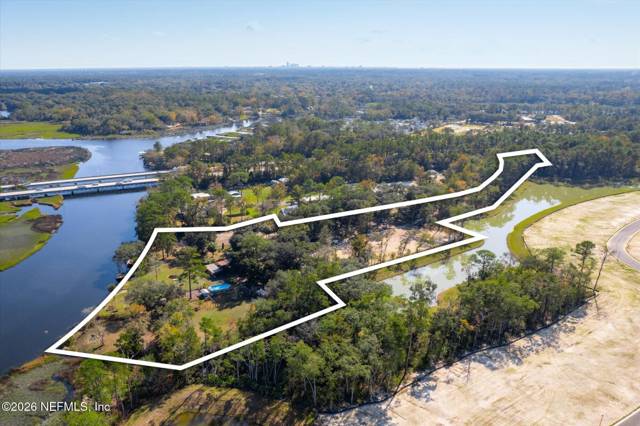
Aerial and on-site photos of Trout River. Swipe to explore the community.
Swipe or use the arrows → tap any photo to enlarge
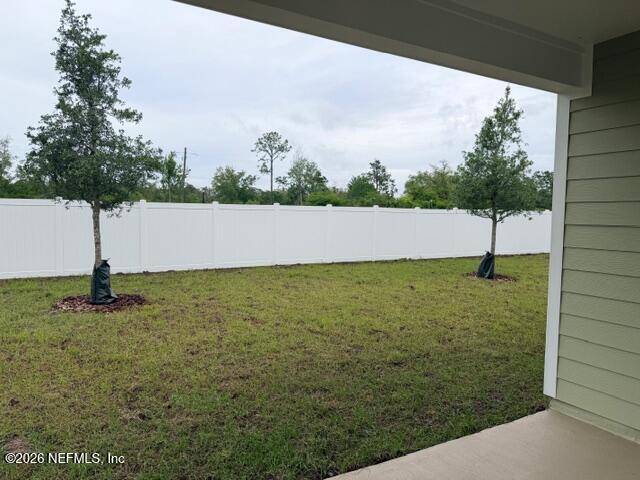 Trout RiverTrout River
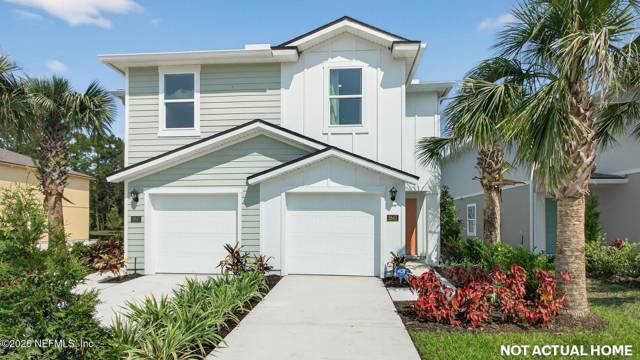 Trout RiverTrout River
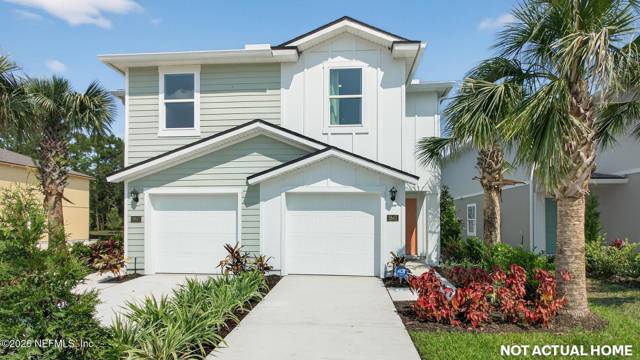 Trout River
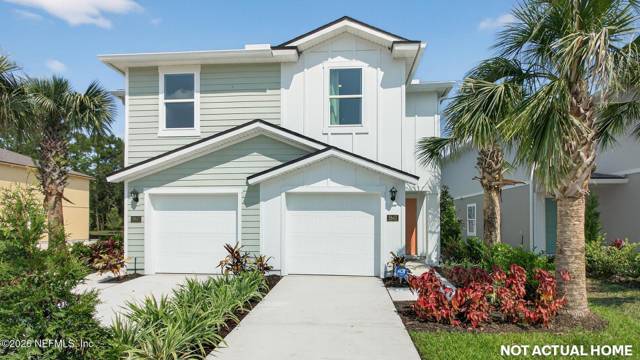 Trout River
Photos from realMLS listings in Trout River; content deemed reliable but not guaranteed.
Who Trout River is best for.
Best for
- Buyers targeting a median price near $244,990 who want negotiating room in a buyer-leaning market.
- Renovation-minded buyers comfortable evaluating older stock (median year built 1955) on its individual condition.
- Buyers who value an established, majority owner-occupied community (54.5% homestead share).
Probably not for
- Buyers who want every home in a community built to the same era and finish level.
- Buyers needing a fast, low-competition closing timeline — median days on market here runs 32 days against 6.6 months of supply.
- Buyers relying on community amenities as a primary decision factor without confirming current access and condition with the HOA.
Price History: What Homes Here Have Actually Sold For
Median sale price over the trailing 12 months ending October 23 of each year, from record-level realMLS closed sales. Same methodology as every appreciation figure on this page: the 2026 point ($240K) IS the median in the snapshot above, and the move from 2025 ($224K) IS the +7.4% one-year change.
Windows contain 1 to 44 sales each (44 in the current window); every figure carries its sample size. Source: Data provided by realMLS. Deemed reliable but not guaranteed.
The real cost & risk here
Before the list price, the Florida math the portals skip. These are Duval County typicals — your exact home, flood zone, and insurance quote will vary, so verify each before you offer.
Check it for your address: look up your flood zone (FEMA) · insurance by county · true-cost calculator · Duval County scorecard.
County typicals from Momentum’s Florida housing data (Zillow & Realtor.com aggregates, Census, FRED), updated monthly; insurance modeled. Flood zone is property-specific — always confirm via FEMA.
Trout River (CityGate) Market Scorecard
Trout River (CityGate) is currently a buyer's market. About 7.0 months of supply, a median asking price of $239,455, and homes go under contract in about 52 days.
Typical home value in the 32219 ZIP is $292,917, about 9.0% below the Florida norm (Zillow Home Value Index).
Go deeper: ZIP market scorecard · county scorecard · true cost calculator · affordability calculator.
Live data: realMLS, refreshed twice daily. Typical value: Zillow Research. Market metrics only; these describe homes for sale and recent sales, not residents.
Trout River on the map.
Every active, pending, and recently sold home, plotted. Toggle the layers and tap a home for the details.
Listing locations from realMLS. Map data © OpenStreetMap contributors.
Life at Trout River

- Playground · reported on 10 of 30 listings
- Firewall(s) · reported on 9 of 30 listings
- Jogging Path · reported on 2 of 30 listings
Community amenities as reported across realMLS listings in this community; deemed reliable but not guaranteed. Verify current amenities and access with the HOA.
How far is everything?
Everyday stops around Trout River are close: the nearest groceries is about 2 minutes away.
- Kroger · Groceries2 min
- Millers Soulfood Kitchen · Dining2 min
- Concord Park · Parks3 min
- Kangaroo Express · Coffee5 min
- Lem Turner Family Medical Care · Health7 min
- Gateway Town Center · Shopping9 min
Approximate drive times via Mapbox Search + Directions, 2026-07-03. Verify for a specific address.
Nearby Communities
Explore more neighborhoods near Trout River with Momentum Realty’s local guides.
Schools
- Duval County Public Schools
- Verify the zoned schools by address
- Magnet and choice options may be available
- North Shore Elementary SchoolFLDOE grade C · PreK-5
- Highlands Middle SchoolFLDOE grade C · 6-8
- Jean Ribault High SchoolFLDOE grade A · 9-12
Grades are official Florida Department of Education school grades for 2025-26. Assignments are reported as of the 2025-26 year and can change; always confirm with Duval County Public Schools for a specific address.
Buying with schools in mind? We can confirm the exact zoned schools for any Trout River address.
Shop the zone: Homes zoned for Highlands Elementary School · Homes zoned for Highlands Middle School · Homes zoned for Select One Middle School · Homes zoned for Jean Ribault Middle School · Homes zoned for Jean Ribault High School · Homes zoned for First Coast High School
The Trout River buying strategy.
If we were buying in Trout River today, this is the order of operations we would run for our clients.
Underwrite the condition first. Price the roof, HVAC, and systems honestly before judging any list price; condition swings value here more than square footage alone.
Match the home to real comps. Recent sales of similar condition and lot, not the asking price, tell you what a home is worth.
Use your leverage. With inventory sitting, there is room to negotiate on anything dated or overpriced and to ask for repairs or a rate buydown.
Line up financing and inspection early. A pre-approval and an inspection plan let you act fast and negotiate from evidence.
Keep an agent in your corner. The listing agent works for the seller; we represent you and prepare a hand-built valuation before any offer in Trout River.
The Housing Stock Behind the Number
The 1,016 homes that make up Trout River were built anywhere from 1909 to 2024, with a median year built of 1955 and a median living area of 1,675.5 square feet. That's a genuinely mixed stock, some of Jacksonville's older construction sitting alongside newer builds, which is why per-square-foot pricing ($172.58 median) is a more reliable comparison point than the median price alone. A homestead share of 54.5% points to a market with a solid base of owner-occupied homes rather than one dominated by investor turnover.
Listed community amenities include a playground, firewall(s), and a jogging path, reported across this community's MLS listings and worth confirming directly with the HOA since access and condition can vary. With 17 active listings against 1,016 total homes and a market heat score of 76, Trout River is neither flooded with inventory nor overheated — it's a community where a serious buyer can still find room to negotiate on an individual listing rather than compete against a stack of offers.
The location and the amenities are priced into every listing in Trout River. The deal is won or lost on condition, the comps, and the renovation math.
Momentum Buy Score.
Our proprietary 0 to 10 read across the factors that decide how a home in Trout River buys, holds, and resells. Momentum Research; not an appraisal.
Momentum Intelligence Scores are our proprietary, qualitative assessment on a 0 to 10 scale, built from the record-level market data on this page. They are a framework for comparing communities, not a guarantee of future value and not advice on a specific home; unlike an automated value estimate they do not price your home, they grade the community on evidence you can inspect. Composite is the plain average of the 4 factors (6.2). Basis: Recent Direction +7.4% year-over-year; Liquidity & Demand 6.4 months of supply; Owner Commitment 46% owner-occupied; Pricing Power 98.0% sale-to-list. Refreshed with each data update.
Why work with Momentum here
A community with a build range this wide, 1909 to 2024, rewards someone who reads each listing on its own condition rather than treating every Trout River home as the same product. Momentum's agents work the comps at the per-square-foot level, not just the median, so pricing a listing or structuring an offer accounts for age, updates, and lot rather than a single blended number.
Trout River in 15 seconds.
Tools for a Trout River buy.
Free calculators to pressure-test the real cost before you tour.
Selling here is won on condition and pricing to real comps, not an automated estimate. The right number comes from closed Trout River sales matched to your home.
Price it to the comps and condition, not an automated estimate.
If you are thinking about selling in Trout River, the right list price comes from recent comparable sales matched to your home's condition and location, not an automated estimate.
What is your Trout River home worth?
Get a no-obligation home value based on real comparable sales in Trout River, not an automated guess. Tell us about your home and we will personally prepare your numbers and a pricing strategy. No obligation, no spam.
See all homes for sale in Jacksonville →
Recently off market in Trout River
Homes in Trout River that recently left the market. Each address opens its public-record profile: county-recorded value, property taxes, the last recorded sale, community sales history, and what is for sale nearby now. 50 on record.
- 10016 Spotted Sea Drive · off market
- 10040 Spotted Sea Drive · off market
- 10581 Maidstone Cove Drive · off market
- 1111 Otter Brook Street · off market
- 1113 Otter Brook Street · off market
- 1230 Kennard Street · off market
- 1402 Harrison Court · off market
- 1725 Prospect Street · off market
| Location | Jacksonville, Duval County, FL · ZIP 32208 |
|---|---|
| Homes in the community | 16 (FL DOR 2025 assessment roll) |
| Years built | 1931–2005 (median 1987.0) |
| Typical living area | 1,333 sq ft (median) |
| Home types (current listings and sales) | single-family 63%, townhouses 37% |
| Amenities listed by sellers | Other, Playground, Curbs, Firewall(s), Jogging Path, Carbon Monoxide Detector(s) |
| Sale prices, last 12 months | $239,950 median across 44 closed sales · $165 per sq ft · +7.4% vs the prior 12 months |
| Days on market (closed sales) | 32 median |
| For sale right now | 23 active, 4 pending · median asking $248,940 · 6.4 months of supply |
| Owner-occupied (homestead) share | 46% |
| Zoned public schools | North Shore Elementary School (C, FLDOE 2025-26); Highlands Middle School (C, FLDOE 2025-26); Jean Ribault High School (A, FLDOE 2025-26) |
Data as of October 23, 2026. Data provided by realMLS; housing-stock figures from Florida Department of Revenue public records. Market figures describe homes, not residents. Cite as: Momentum Realty, “Trout River key facts,” movewithmomentum.com/neighborhoods/trout-river-jacksonville, data as of October 23, 2026.
Just listed in Trout River
The newest homes for sale in Trout River right now, newest first. Each link opens the full listing with every photo, the price history and a tour request.
- 5994 Splendora Lane #1 & 2 $2,300,000 · 3 bd · 2 ba · 1,228 sq ft · listed Oct 15, 2026 Courtesy of KELLER WILLIAMS REALTY ATLANTIC PARTNERS ST. AUGUSTINE
- 6238 Cowford Landing Way #LOT 121 $214,900 · 3 bd · 2.5 ba · 1,538 sq ft · listed Oct 1, 2026 Courtesy of KELLER WILLIAMS REALTY ATLANTIC PARTNERS SOUTHSIDE
- 6212 Peeples Lane $349,240 · 3 bd · 2 ba · 1,769 sq ft · listed Sep 25, 2026 Courtesy of ASHTON WOODS FLORIDA REALTY LLC
- 10069 Spotted Sea Drive Drive $329,240 · 3 bd · 2 ba · 1,536 sq ft · listed Sep 23, 2026 Courtesy of ASHTON WOODS FLORIDA REALTY LLC
- 5886 Victoria Creek Lane $257,440 · 3 bd · 2.5 ba · 1,492 sq ft · listed Sep 23, 2026 Courtesy of D R HORTON REALTY INC
- 5888 Victoria Creek Lane $257,440 · 3 bd · 2.5 ba · 1,492 sq ft · listed Sep 23, 2026 Courtesy of D R HORTON REALTY INC
Checked against the MLS nightly. All new listings in this market.
Every Home for Sale in Trout River Jacksonville Right Now (27)
All 27 active and pending Trout River Jacksonville listings with a detail page, newest first, refreshed twice a day from the MLS.
- 5994 Splendora Lane #1 & 2 · $2,300,000 · 3 bd / 2 ba · listed Oct 16, 2026 · listed by Keller Williams Realty Atlantic Partners St. Augustine
- 6238 Cowford Landing Way #Lot 121 · $214,900 · 3 bd / 2.5 ba · listed Oct 1, 2026 · listed by Keller Williams Realty Atlantic Partners Southside
- 6212 Peeples Lane · $349,240 · 3 bd / 2 ba · listed Sep 26, 2026 · listed by Ashton Woods Florida Realty Llc
- 10069 Spotted Sea Drive Drive · $329,240 · 3 bd / 2 ba · listed Sep 24, 2026 · listed by Ashton Woods Florida Realty Llc
- 5886 Victoria Creek Lane · $257,440 · 3 bd / 2.5 ba · listed Sep 24, 2026 · listed by D R Horton Realty Inc
- 5888 Victoria Creek Lane · $257,440 · 3 bd / 2.5 ba · listed Sep 24, 2026 · listed by D R Horton Realty Inc
- 5904 Victoria Creek Lane · $248,940 · 3 bd / 2.5 ba · listed Sep 15, 2026 · listed by D R Horton Realty Inc
- 5906 Victoria Creek Lane · $208,940 · 3 bd / 2.5 ba · listed Sep 15, 2026 · listed by D R Horton Realty Inc
- 1117 Otter Brook Street · $225,240 · 3 bd / 2.5 ba · pending · listed Sep 2, 2026 · listed by Ashton Woods Florida Realty Llc
- 6241 Cowford Landing Way #Lot 109 · $235,000 · 3 bd / 2.5 ba · listed Sep 1, 2026 · listed by Keller Williams Realty Atlantic Partners Southside
- 6223 Splendora Lane · $299,900 · 3 bd / 2 ba · listed Aug 29, 2026 · listed by Ashton Woods Florida Realty Llc
- 6206 Peeples Lane · $315,990 · 4 bd / 2 ba · listed Aug 18, 2026 · listed by Ashton Woods Florida Realty Llc
- 1115 Otter Brook Street · $207,645 · 3 bd / 2.5 ba · listed Aug 10, 2026 · listed by Ashton Woods Florida Realty Llc
- 1121 Otter Brook Street · $239,170 · 3 bd / 2.5 ba · listed by Ashton Woods Florida Realty Llc
- 6229 Cowford Landing Way #Lot 112 · $208,900 · 3 bd / 2.5 ba · listed Aug 4, 2026 · listed by Keller Williams Realty Atlantic Partners Southside
- 5862 Victoria Creek Lane · $239,455 · 3 bd / 2.5 ba · listed by D R Horton Realty Inc
- 5883 Victoria Creek Lane · $259,990 · 3 bd / 2.5 ba · listed by D R Horton Realty Inc
- 6205 Splendora Lane · $309,900 · 4 bd / 3 ba · listed by Ashton Woods Florida Realty Llc
- 5864 Victoria Creek Lane · $239,440 · 3 bd / 2.5 ba · listed by D R Horton Realty Inc
- 5874 Victoria Creek Lane · $249,440 · 3 bd / 2.5 ba · listed by D R Horton Realty Inc
- 5876 Victoria Creek Lane · $249,440 · 3 bd / 2.5 ba · listed by D R Horton Realty Inc
- 5865 Victoria Creek Lane · $243,440 · 3 bd / 2.5 ba · pending · listed by D R Horton Realty Inc
- 5863 Victoria Creek Lane · $233,440 · 3 bd / 2.5 ba · listed by D R Horton Realty Inc
- 5892 Victoria Creek Lane · $229,440 · 3 bd / 2.5 ba · pending · listed by D R Horton Realty Inc
- 5894 Victoria Creek Lane · $229,440 · 3 bd / 2.5 ba · listed by D R Horton Realty Inc
- 5882 Victoria Creek Lane · $229,940 · 3 bd / 2.5 ba · pending · listed by D R Horton Realty Inc
- 5880 Victoria Creek Lane · $189,940 · 3 bd / 2.5 ba · listed by D R Horton Realty Inc
Recently sold in Trout River Jacksonville
- 6213 Cowford Landing Way #Lot 116 · sold $215,000
- 5881 Victoria Creek Lane · sold $258,000
- 10016 Spotted Sea Drive · sold $327,990
- 6233 Cowford Landing Way #Lot 111 · sold $214,900
- 4444 S Trenton Drive · sold $105,000
- 1111 Otter Brook Street · sold $227,990
- 1113 Otter Brook Street · sold $227,990
- 6225 Cowford Landing Way #Lot 113 · sold $239,900
- 6221 Cowford Landing Way #Lot 114 · sold $214,900
- 10040 Spotted Sea Drive · sold $384,990
Closed sales from the MLS; each page shows the sold price, taxes and value history.
More Jacksonville home searches
- All homes for sale in Jacksonville, FL
- Homes for sale in Duval County, FL
- Jacksonville pool homes for sale
- Jacksonville waterfront homes for sale
- Gated communities in Jacksonville
- Jacksonville golf course homes
- Homes under $300K in Jacksonville
- Homes from $300K to $500K in Jacksonville
- 4-bedroom homes for sale in Jacksonville
- Jacksonville home values: what is my house worth?
Jacksonville guides & data
- Market data
- Cost of living
- Best neighborhoods (ranked by data)
- Best neighborhoods
- Flood zones
- Property taxes (Duval County)
- Homestead exemption (Duval County)
- Home insurance cost
Florida buyer guides
- Florida home insurance rates by county
- Florida property tax by county
- Florida property tax calculator
- What flood zone X means
- The 4-point inspection, explained
- Florida flood insurance calculator
Real estate agent in Jacksonville? Join Momentum in Jacksonville: 100% commission, one $12K cap.
Streets in this community
Street-level pages: every home on record, what sold and what is for sale on each street.
- Victoria Creek Lane (30 homes on record)
- Trout River Boulevard (10 homes on record)
- Broward Road (10 homes on record)
- Cowford Landing Way (8 homes on record)
- Splendora Lane (4 homes on record)
- Capper Road (2 homes on record)
- Pullman Avenue (2 homes on record)
- Forest Hills Road (1 homes on record)
- Tuskegee Road (1 homes on record)
- Nancy Street (1 homes on record)
- Adams Avenue (1 homes on record)
- Talladega Road (1 homes on record)
What it really costs to own in Trout River
The parts of the monthly number a mortgage calculator leaves out, from the tax roll, the MLS, Citizens and FEMA. Property facts only.
| Property tax | Current owners' bills run a median of $532/yr across 6 listings here (MLS tax records, 2026-10-24). Buy at today's median asking price of $249,190 and the first-year bill resets to about $3,700 with homestead (Duval County total millage 17.865 mills, FY2025-26, Duval County Property Appraiser 2025 final millage chart; Duval County School Board FY2025-26 adopted millage); municipal and district millage vary within the county. |
|---|---|
| HOA dues | Median $736/year (about $61/month) across 11 MLS listings (most billed annually; 2026-10-24). Dues cover what the documents say they cover; ask for the budget and reserve study. |
| Home and flood insurance | The average Citizens Property Insurance premium in Duval County is $1,315/yr (2,001 policies, Citizens detail by county, April 2026); private-market quotes depend on roof age, wind mitigation and construction. Flood: of 29 listing addresses checked against the FEMA flood map, 100% sit outside the high-risk zone. Statewide, a Zone X flood policy runs about $500-$700/yr and a high-risk zone $1,200-$2,500/yr (FEMA Risk Rating 2.0 averages, not quotes). |
| Roof and age | Median build year 2025 across 12 listings. Newer roofs and current wind-mitigation features usually mean the lower end of insurance quotes. |
Estimated carrying cost at the median asking price, before the mortgage: about $479/month (tax $308, HOA $61, insurance $110). An estimate from the sources above, not a quote.
Email me new listings in Trout River
One e-mail a day, only when a home lists here, with price, beds, baths and a link to every listing. Straight from the MLS feed; no account needed.
Ask an agent about Trout River
Have a question about the homes, fees, rules or commute here? A Momentum agent who works Trout River will answer, and the answer is published on this page for the next buyer.
Frequently Asked Questions
What is the median home price in Trout River?
How long do homes in Trout River take to sell?
Is Trout River a buyer's or seller's market right now?
What share of Trout River is owner-occupied?
What schools serve Trout River?
Who is the best real estate agent for Trout River?
How do I find a top Jacksonville real estate agent who knows Trout River?
Can Momentum Realty connect me with an agent for Trout River?
Where is Trout River, and what county is it in?
How far is Trout River from downtown Jacksonville and the beach?
Is Trout River in a flood zone?
Is Trout River a good place to live?
Should you buy in Trout River?
An honest fit check. We will tell you when it is not your community.
Data sources & freshness
| Live listings | realMLS, refreshed twice daily (last: October 21, 2026) |
| Community market stats | realMLS closed sales, 12-month windows ending October 23, 2026 |
| Housing stock & ownership | Florida DOR assessment roll (street-list match (3 streets, ZIP 32206/32208/32209/32218/32219)) |
| Under-contract shares | realMLS records, as of 2026-10-20 |
| Schools | 2025-26 district assignments + FLDOE school grades; verify with the district |
| Historical depth | Closed-sale records back to 2001 (136 transactions analyzed) |
Verify the primary sources yourself: Florida DOR · U.S. Census · FEMA flood maps · Citizens Property Insurance.
Momentum Research figures are our own analysis of realMLS records; MLS data is deemed reliable but not guaranteed. Methodology: how Momentum market scores are computed. Market metrics describe homes for sale and recent sales, not residents.
Own a home here?
You just read the data. Now see what your home is worth.
The numbers on this page move markets in the aggregate. The number that matters to you is what a buyer pays for your address. Momentum sells for 1.25% above the realMLS member average and 8 days faster, and we’ll price yours against live local comps.
Looking to buy here? Search homes for sale →
What’s your home worth in your area?
A real valuation with real comps from a local listing agent, not an instant algorithm. Response within one business day.
See how Trout River fits the bigger picture — live prices, inventory, and Momentum Scores:
More on Trout River
- Home values · What homes in Trout River actually sell for