

Jacksonville Beach
Homes for Sale in Jacksonville Beach, FL
All 191 homes for sale in Jacksonville Beach, FL · median $729,900 · 171 homes for sale in 32250 · Duval County homes for sale
True comps, carrying-cost math, and listings before the portals.
Market Heat
As of October 2026, Jacksonville Beach in Jacksonville Beach, FL has 8 homes for sale and 5 pending, asking from $519,904 to $6,900,000 (median $1,324,500). Over the 12 months ending 2026-10-20, 37 recorded sales closed at a median of $611,000, $415 per square foot, a median 19 days on market, sellers accepting 96% of original asking (-4% versus the prior year). Homes listed or recently sold were built 1952–2026 with 3 new construction; 3 of the 25 geocoded homes sit in a FEMA special flood hazard zone (median elevation 12 ft). At the median price and Duval County's FY2025-26 rate of 17.86 mills, annual property tax runs about $10,920 ($10,180 with the full homestead exemption).
Momentum Realty in Jacksonville Beach: our agents closed 1 home here for buyers and sellers in the last 12 months (brokerage closed records through October 2026). Find the right Momentum agent in Jacksonville Beach →
Last 30 days in Jacksonville Beach: 3 new listings (median asking $2,500,000), 5 under contract right now, 5 closed sales (median $575,000). As of October 20, 2026, realMLS.
Homes For Sale Right Now in Jacksonville Beach
Live MLS inventory for Jacksonville Beach. Every active listing, what is under contract right now, and the last 12 months of closed sales, refreshed twice a day. Closed comps beat an algorithm's guess every time.
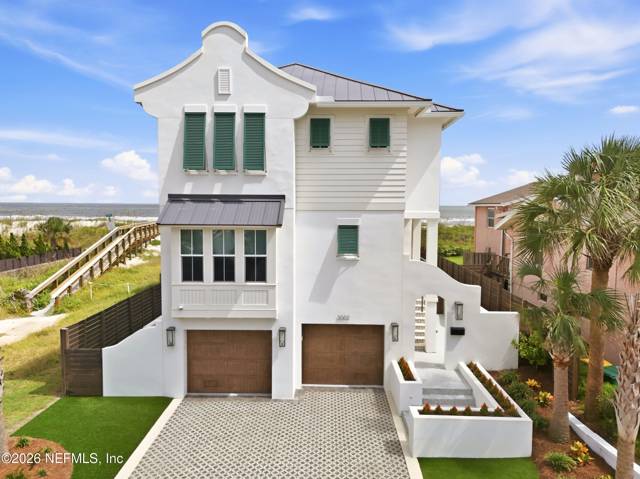 Active · 5 daysTop listing
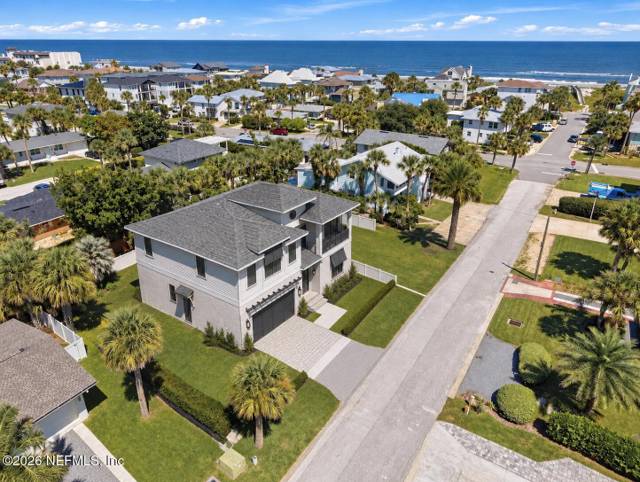 Active · 38 days
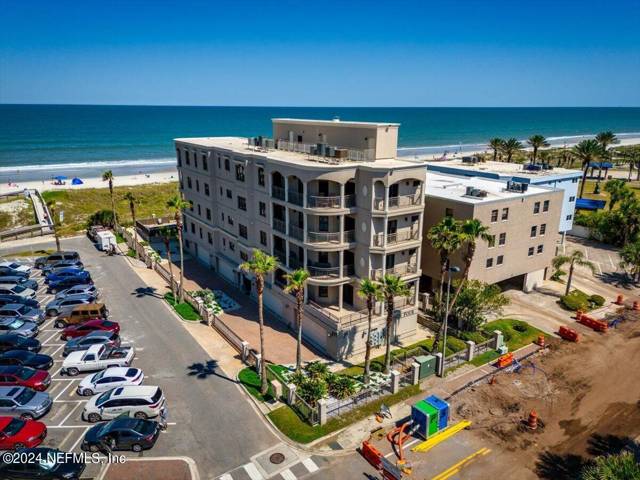 Active · 27 days
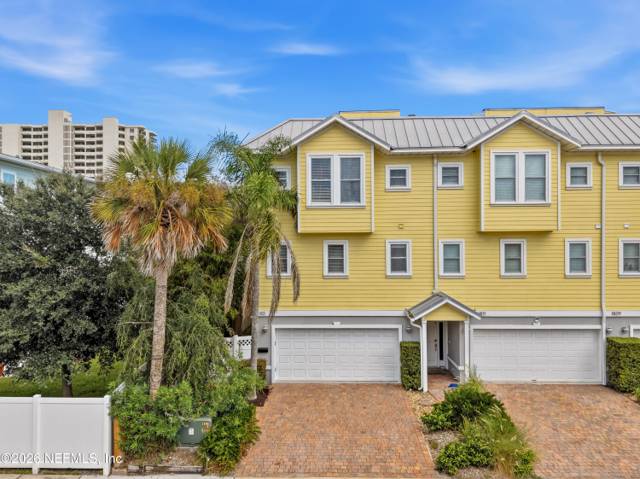 Active · 33 days
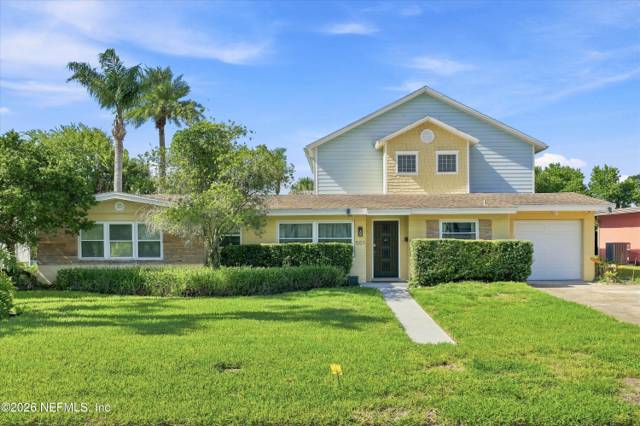 Active · 48 days
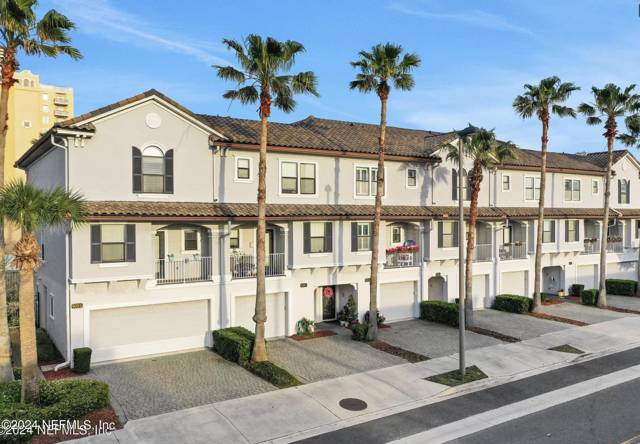 Active · 481 days
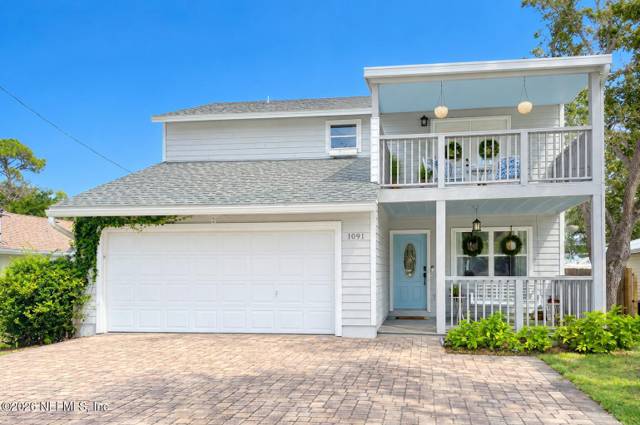 Active · 33 days
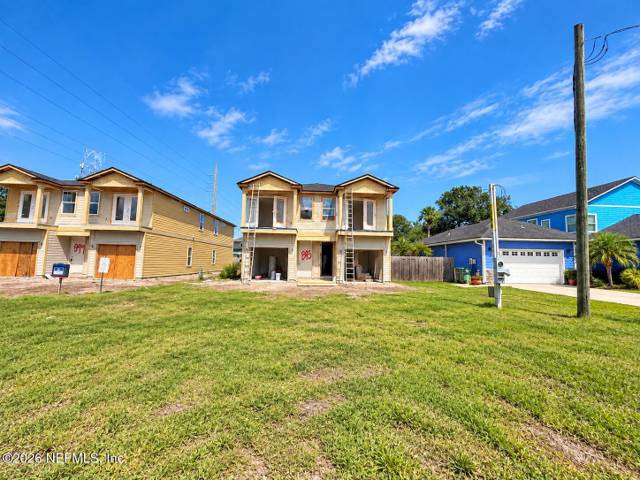 Active · 27 days
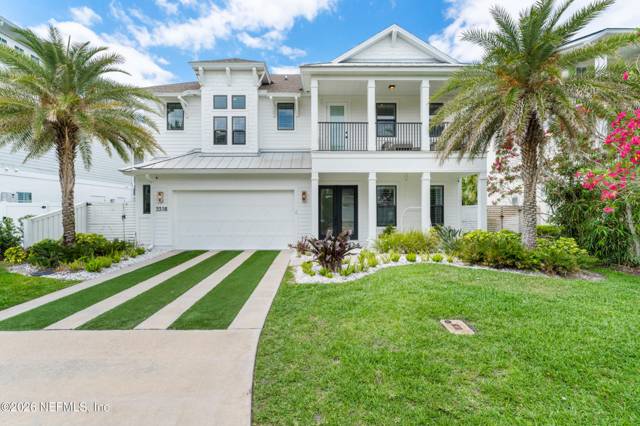 Pending · 131 days
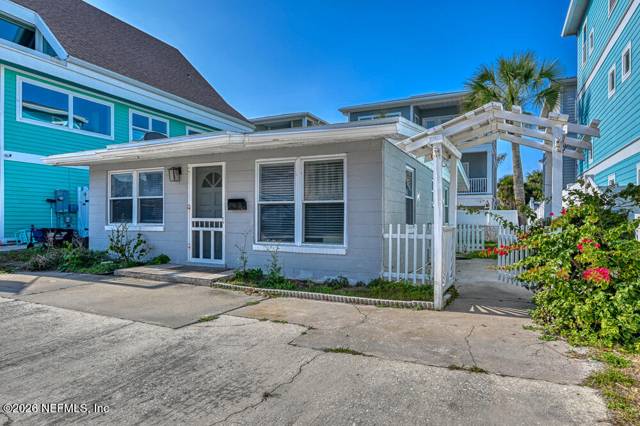 Pending · 281 days
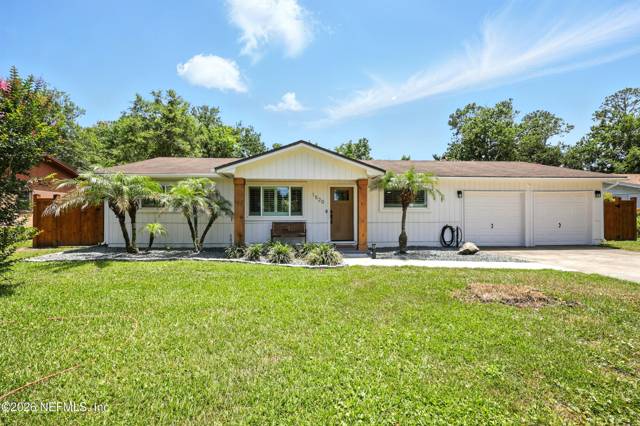 Pending · 34 days
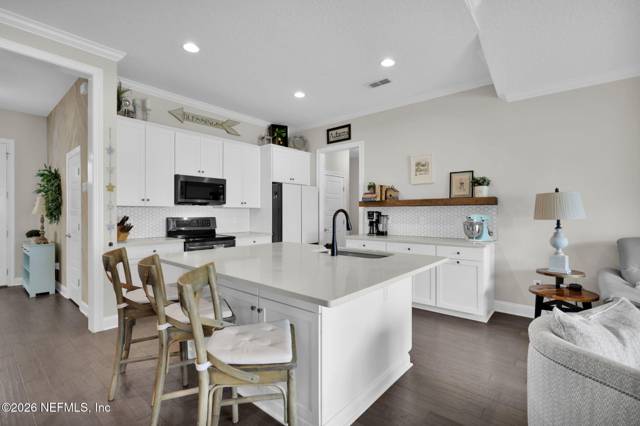 Pending · 81 days
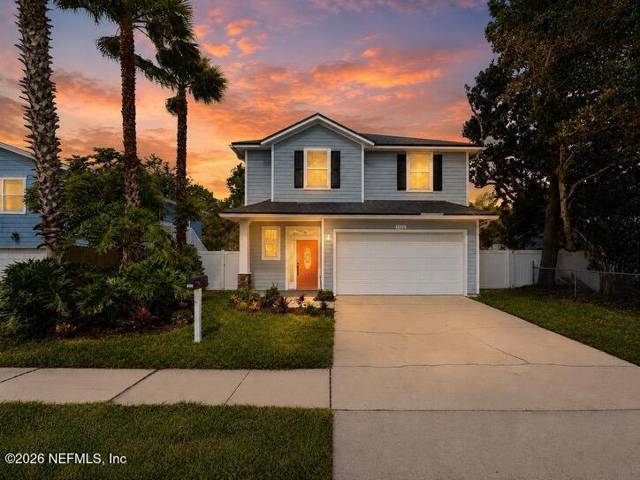 Pending · 118 days
Active and pending Jacksonville Beach listings as of 2026-10-20, priced high to low. Source: Data provided by realMLS. Tap any home to ask about it.
Meet your Jacksonville Beach neighborhood experts
Get firsthand insight from local Momentum Realty agents who know Jacksonville Beach, its homes and its housing market. Questions about sections, builders, HOA and CDD fees, or current prices? Ask below.

Norm
Local neighborhood expert

Price here tracks distance to the water and condition more than square footage alone -- the median sits at $590,000, and a $388.51 per-square-foot figure signals buyers are still paying a premium to be close to the beach even as the broader trend has cooled. Prices are down 16.6% year over year, which sounds sharp until you set it against the 179% climb this community has logged since 2012 -- this reads as a pullback from an extended run, not a market in trouble.
With only 11 active listings and 37 closings in this window, Jacksonville Beach is a thin market to price into, and the 3.7 months of supply that puts it in balanced territory owes as much to that thin inventory as to a genuine standoff between buyers and sellers. Homes are averaging 48 days on market, which gives sellers room to hold a number for a few weeks and buyers room to negotiate rather than chase.
Figures in this note are as of July 14, 2026. The live market numbers elsewhere on this page update nightly and are newer.
Jacksonville Beach right now
🟡 Balanced market. 3.0 months of supply and 38% of the inventory already under contract put buyers and sellers on roughly even footing.Why it matters: months of supply is how long today's inventory would last at today's sales pace; under-contract share is the portion of homes for sale that already have a buyer.Momentum Research analysis of realMLS records, as of October 20, 2026. Confidence: Very High (13 active and pending listings, 37 closed sales in 12 months).
🟡 Off the recent peak. The trailing-12-month median ($611K) is down 3.8% from the prior 12 months ($635K) and up 180% since 2012.Momentum Research, record-level realMLS closed sales, 12-month windows ending October 20. Confidence: Very High (37 and 38 sales in the two windows).
Jump to: Price history & scorecard · Homes for sale · Schools · FAQ
· Updated October 20, 2026 · Live data: realMLS, refreshed twice daily · MLS facts carry their source; interpretation lines are Momentum Research · Data sources & freshness
The 60-Second Overview
Jacksonville Beach market snapshot (as of October 20, 2026): the median sale price is about $611K ($415 per sq ft over the trailing 12 months of closed sales), a median 19 days on market for closed sales, and 3.0 months of supply, a balanced market. The trailing-12-month median is down 4% from the prior 12 months and up 180% since 2012, computed from record-level realMLS closed sales (37 closings in the current window).
In ZIP 32250 (Jacksonville Beach), 528 homes closed in the last 12 months at a median of $660K ($388/sq ft), down 3.6% year over year, with a median 45 days on market. Right now 102 active and 33 pending listings put supply at about 4.2 months — a balanced market. See the live ZIP 32250 housing market and the Duval County market.
County records show 41 qualified sales in Jacksonville Beach across 2024–2025 (28 in 2024, 13 in 2025), median $640,000 — the last recorded sale per parcel on the Florida DOR 2025 assessment roll, independent of the MLS.
Flood zones in Jacksonville Beach: of 17 listing addresses checked against the FEMA National Flood Hazard Layer, 82% sit outside the FEMA Special Flood Hazard Area (Zone X); 18% are in an A-series high-risk zone where flood insurance is required with a federally backed mortgage. Individual parcels vary - verify any specific address at msc.fema.gov. See flood zones by neighborhood in Jacksonville Beach.
Jacksonville Beach is a community of 604 homes in Jacksonville Beach, Duval County, built between 1904 and 2024 (median 1966), with a median living area of about 1,859 square feet. 59% of parcels are homesteaded, the owner-occupancy proxy in the Florida DOR assessment roll (2025 roll, public records).
Jacksonville Beach, in Duval County, runs on a small, tightly held inventory rather than high sales volume, so a handful of closings can move the read on price from one reporting period to the next.
The setting & the homes.
Aerial and on-site photos of Jacksonville Beach. Swipe to explore the community.
Swipe or use the arrows → tap any photo to enlarge
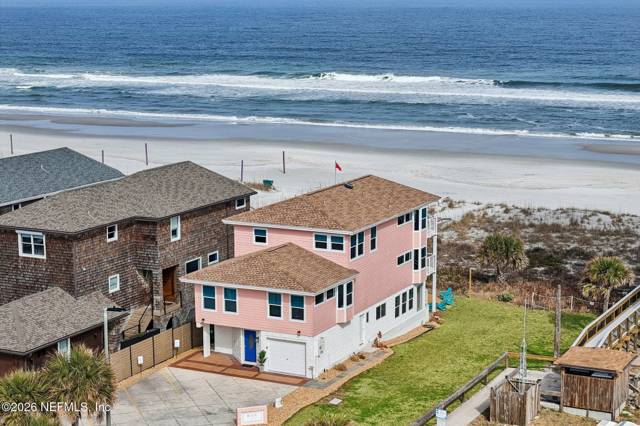 Jacksonville Beach
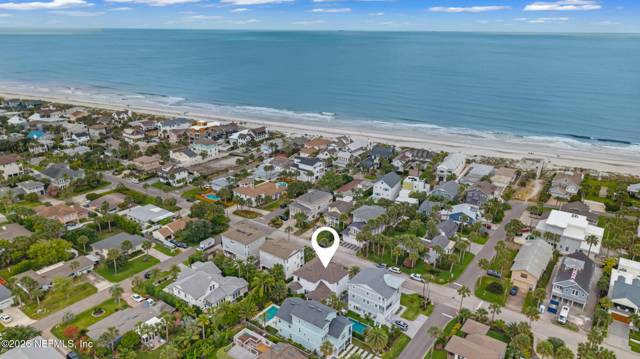 Jacksonville Beach
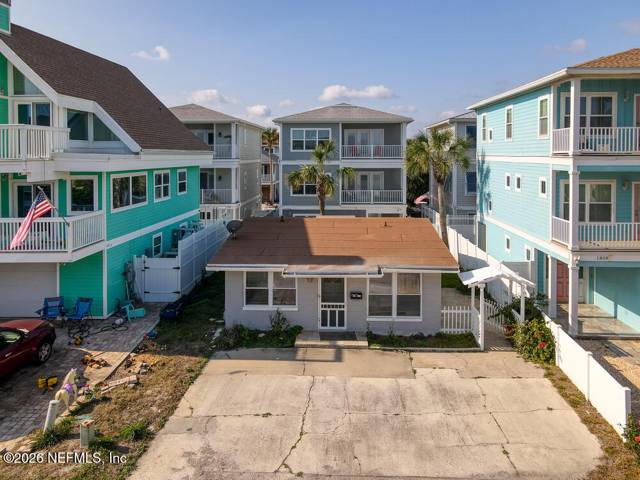 Jacksonville Beach
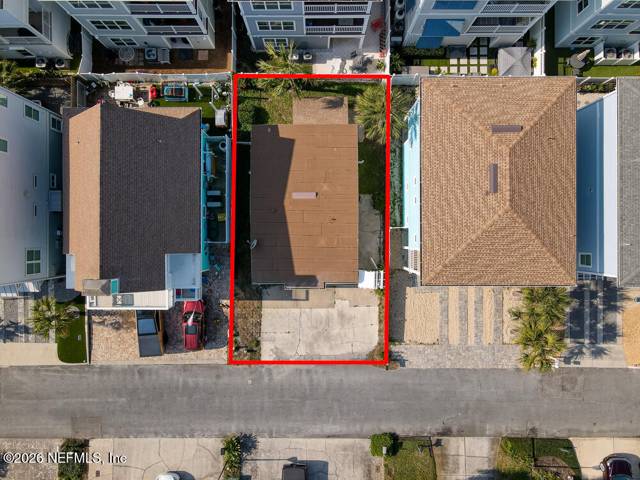 Jacksonville Beach
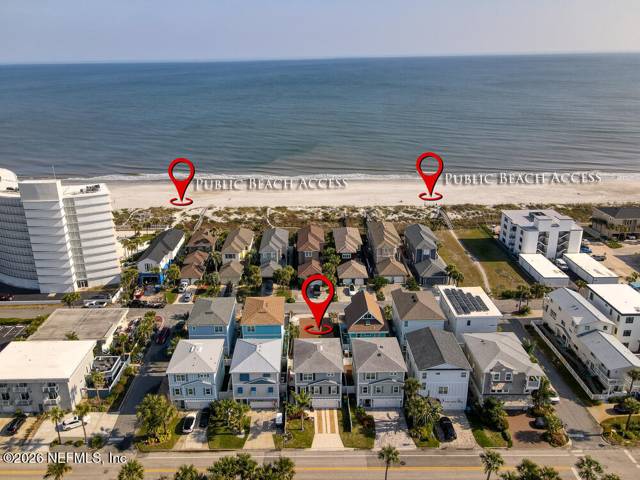 Jacksonville Beach
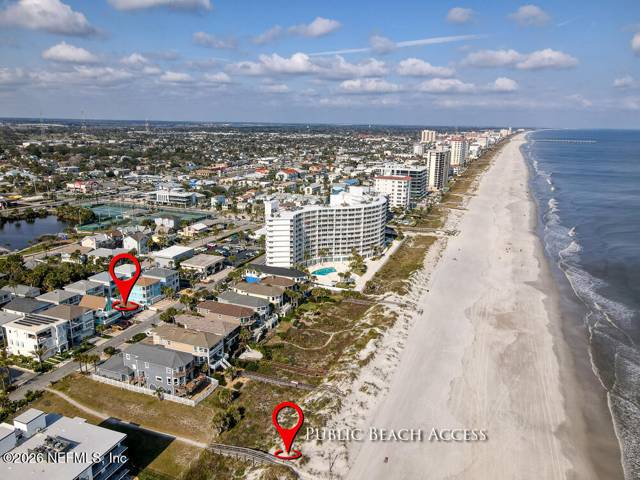 Jacksonville Beach
Photos from realMLS listings in Jacksonville Beach; content deemed reliable but not guaranteed.
Who Jacksonville Beach is best for.
Best for
- Buyers targeting a $590,000-range purchase who value beach proximity over maximizing square footage per dollar.
- Sellers who can be patient through a roughly 48-day marketing period and want to price against the 2012-to-now trend rather than the most recent year alone.
- Buyers or investors comfortable in a balanced, low-inventory market where 3.7 months of supply means limited competition but also limited choice.
Probably not for
- Buyers who need a wide selection of active listings to compare before committing -- there are only 11 to choose from right now.
- Anyone relying on a canned online price estimate rather than a hand-built comparison of the current, thin comp set.
- Sellers expecting to price purely off last year's trend without accounting for the 16.6% year-over-year pullback.
Price History: What Homes Here Have Actually Sold For
Median sale price over the trailing 12 months ending October 20 of each year, from record-level realMLS closed sales. Same methodology as every appreciation figure on this page: the 2026 point ($611K) IS the median in the snapshot above, and the move from 2025 ($635K) IS the -3.8% one-year change.
Windows contain 25 to 74 sales each (37 in the current window); every figure carries its sample size. Source: Data provided by realMLS. Deemed reliable but not guaranteed.
38% of homes for sale in Jacksonville Beach are already under contract (under contract ÷ under contract + active listings) — a read on how much of the available inventory buyers have already claimed. Source: MLS data (2026-10-20).
Jacksonville Beach Market Scorecard
Jacksonville Beach is currently a seller's market. About 3.0 months of supply, a median asking price of $1,324,500, and homes go under contract in about 31 days.
Typical home value in the 32250 ZIP is $634,294, about 15.0% above the Florida norm (Zillow Home Value Index).
Go deeper: ZIP market scorecard · county scorecard · true cost calculator · affordability calculator.
Live data: realMLS, refreshed twice daily. Typical value: Zillow Research. Market metrics only; these describe homes for sale and recent sales, not residents.
Jacksonville Beach on the map.
Every active, pending, and recently sold home, plotted. Toggle the layers and tap a home for the details.
Listing locations from realMLS. Map data © OpenStreetMap contributors.
Life at Jacksonville Beach
- Fishing · reported on 2 of 10 listings
- Key Card Entry · reported on 1 of 10 listings
- Security Fence · reported on 1 of 10 listings
- Restaurant · reported on 1 of 10 listings
Community amenities as reported across realMLS listings in this community; deemed reliable but not guaranteed. Verify current amenities and access with the HOA.
How far is everything?
Everyday stops around Jacksonville Beach are close: the nearest dining is about 1 minutes away.
- Relish - Big Tasty Burgers! - Jax Beach · Dining1 min
- Jax Beach · Parks1 min
- Jax Beach Art Walk · Groceries2 min
- Middle Beach Commons · Shopping3 min
- Beaches hospital · Health3 min
Approximate drive times via Mapbox Search + Directions, 2026-07-03. Verify for a specific address.
Nearby Communities
Explore more neighborhoods near Jacksonville Beach with Momentum Realty’s local guides.
Schools
- Duval County Public Schools
- Verify the zoned schools by address
- Magnet and choice options may be available
- San Pablo Elementary SchoolFLDOE grade A · Public K-5
- Duncan U. Fletcher Middle SchoolFLDOE grade A · Public 6-8
- Duncan U. Fletcher High SchoolFLDOE grade A · Public 9-12
Grades are official Florida Department of Education school grades for 2025-26. Assignments are reported as of the 2025-26 year and can change; always confirm with Duval County Public Schools for a specific address.
Buying with schools in mind? We can confirm the exact zoned schools for any Jacksonville Beach address.
Shop the zone: Homes zoned for San Pablo Elementary School · Homes zoned for Seabreeze Elementary School · Homes zoned for Duncan Fletcher Middle School · Homes zoned for Select One Middle School · Homes zoned for Duncan Fletcher High School
Recent Developments in Jacksonville Beach
Development, infrastructure, retail, and school activity affecting Jacksonville Beach, tracked by our team and summarized from public reporting and official sources, with links to the original coverage. Last updated October 2026.
- September 2026Development
Construction starts on 415 apartments at the former Adventure Landing site on Beach Boulevard
FaverGray has started building a 415 unit apartment community on a 10.7 acre site on Beach Boulevard near 20th Street North, the former Adventure Landing property. Plans include about 1,800 square feet of ground floor commercial space, with completion expected around late 2028.
What it may mean for the marketA large addition to rental supply on Beach Boulevard could increase lease up competition at the beaches later this decade.
Source: Jacksonville Daily Record - July 2026Retail & Dining
Alder & Oak opens in the former Jekyll Brewing space on First Avenue North
Alder & Oak opened July 15 at 131 First Ave. N. in Jacksonville Beach, taking the space Jekyll Brewing left behind next to sister restaurant Oaxaca Club. Jekyll Brewing opened in June 2023 and closed in May 2025 after its parent company went out of business. This is the second Alder & Oak, following the first at The Hub at 400 Riverside Ave., which opened in January.
What it may mean for the marketBackfilling a vacant restaurant box in the downtown beach blocks may reduce visible ground floor vacancy there, though a single opening is a limited read on beach retail demand.
Source: Jacksonville Daily Record - March 2026Development
City issues RFP for mixed-use redevelopment of Latham Plaza parking lot
Jacksonville Beach announced it would issue a request for proposals on March 18 for a public-private partnership to redevelop the city-owned parking lot south of Latham Plaza in the downtown district. The city is seeking a mixed-use project combining new public parking with commercial uses, with a pre-proposal meeting set for mid-April and proposal rankings expected by late July.
What it may mean for the marketA structured redevelopment process for a prominent downtown parcel could add commercial space and parking capacity near the oceanfront, a combination that historically influences activity in the surrounding blocks.
Source: City of Jacksonville Beach - March 2026Retail & Dining
Alder & Oak plans second restaurant in downtown Jacksonville Beach
Restaurateur Mark Janasik is opening a second Alder & Oak in the former Jekyll Brewery space at 131 First Ave. N., next to his Oaxaca Club. The Mediterranean concept will feature a seafood-leaning menu and a rooftop Zorba's Terrace overlooking First and Second streets, with construction set to begin in July or August.
What it may mean for the marketAn established operator backfilling a closed brewery space may signal continued restaurant demand in the downtown beach blocks despite recent tenant turnover.
Source: Jacksonville Daily Record - February 2026Infrastructure
Seasonal paid parking program returns March 6 in beach-area lots
Jacksonville Beach's seasonal paid parking program resumed March 6 and runs through Nov. 1, covering select beach-area lots including Latham Plaza and the pier lot plus several on-street zones. Enforcement applies on weekends, select holidays and special events, with rates of $4 for the first two hours up to a $12 daily maximum.
What it may mean for the marketFormalized seasonal parking management may shift visitor circulation patterns near the oceanfront and is a factor buyers of close-in properties could weigh.
Source: Action News Jax - January 2026Retail & Dining
Grouper Shack restaurant, bar and market opens on Third Street
Grouper Shack opened Dec. 20 at 1700 Third St. in the space formerly occupied by The Bearded Pig barbecue restaurant. The concept combines a seafood restaurant and bar with a market component along the city's main commercial corridor.
What it may mean for the marketQuick re-tenanting of a vacated restaurant space on Third Street may point to healthy operator demand along the corridor that serves much of the city's housing.
Source: Jacksonville Daily Record - June 2025Retail & Dining
Sizemore's Coastal Kitchen opens near Seawalk Pavilion
Brothers Alex and Daniel Sizemore opened Sizemore's Coastal Kitchen, an oceanfront seafood restaurant at 333 First St. N., less than two blocks north of the Seawalk Pavilion. The opening added another sit-down dining option to the downtown oceanfront blocks.
What it may mean for the marketNew oceanfront dining near the Seawalk Pavilion could add to the amenity cluster that historically supports both visitor traffic and resident interest downtown.
Source: Jacksonville Daily Record - June 2025Retail & Dining
Ajua Contemporary Mexican Kitchen & Bar opens in Jacksonville Beach
Ajua, a contemporary Mexican restaurant co-owned by PGA Tour national culinary director Azhar Mohammad, opened in Jacksonville Beach. The chef-driven concept brought an elevated Mexican menu to the beach dining scene.
What it may mean for the marketChef-led concepts choosing Jacksonville Beach locations may reflect operator confidence in the area's year-round dining demand rather than purely seasonal traffic.
Source: Jacksonville Daily Record
Summaries reflect public reporting and official sources linked above as of the dates shown. Project details, timelines, and approvals can change. Commentary on potential market effects is general observation, not investment advice or a prediction for any specific property. For the freshest items across the whole region, see This Week in Northeast Florida.
The Jacksonville Beach buying strategy.
If we were buying in Jacksonville Beach today, this is the order of operations we would run for our clients.
Underwrite the condition first. Price the roof, HVAC, and systems honestly before judging any list price; condition swings value here more than square footage alone.
Match the home to real comps. Recent sales of similar condition and lot, not the asking price, tell you what a home is worth.
Move deliberately, not desperately. Neither side has a decisive edge, so a well-prepared, fairly-priced offer wins without overpaying.
Line up financing and inspection early. A pre-approval and an inspection plan let you act fast and negotiate from evidence.
Keep an agent in your corner. The listing agent works for the seller; we represent you and prepare a hand-built valuation before any offer in Jacksonville Beach.
A Small Market, Read Carefully
Eleven active listings and 37 closings in this window is not much data to draw conclusions from, and it's the reason we'd caution against reading too much into any single month here. The 3.7-month supply figure lands this community in balanced territory on paper, but with a market heat score of 21, the underlying temperature is cool -- consistent with a market absorbing the 16.6% year-over-year pullback rather than one under active buyer pressure.
Zoom out and the longer arc still matters: this community has appreciated 179% since 2012. That is the number that should anchor a seller's expectations, not the most recent year in isolation, and it's the number a buyer should weigh against today's $590,000 median and $388.51 per-square-foot when deciding whether the current pullback is a window or a warning.
The location and the amenities are priced into every listing in Jacksonville Beach. The deal is won or lost on condition, the comps, and the renovation math.
Momentum Buy Score.
Our proprietary 0 to 10 read across the factors that decide how a home in Jacksonville Beach buys, holds, and resells. Momentum Research; not an appraisal.
Momentum Intelligence Scores are our proprietary, qualitative assessment on a 0 to 10 scale, built from the record-level market data on this page. They are a framework for comparing communities, not a guarantee of future value and not advice on a specific home; unlike an automated value estimate they do not price your home, they grade the community on evidence you can inspect. Composite is the plain average of the 5 factors (7.0). Basis: Long-Term Appreciation +180% since 2012; Recent Direction -3.8% year-over-year; Liquidity & Demand 3.0 months of supply; Owner Commitment 59% owner-occupied; Pricing Power 95.9% sale-to-list. Refreshed with each data update.
Why work with Momentum here
A market this thin -- 11 active listings, 37 closings tracked in this window -- punishes generic pricing tools and rewards someone who is watching the realmls feed line by line. We build valuations by hand from that feed rather than publishing a canned online number, and we read the community's amenities (fishing access, key-card entry, a security fence, and an on-site restaurant, as reported across current listings) against what an HOA will actually confirm, so you're not negotiating on a detail that turns out to be wrong.
Jacksonville Beach in 15 seconds.
What it really costs to own in Jacksonville Beach
The parts of the monthly number a mortgage calculator leaves out, from the tax roll, the MLS, Citizens and FEMA. Property facts only.
| Property tax | Current owners' bills run a median of $7,383/yr across 9 listings here (MLS tax records, 2026-10-20). Buy at today's median asking price of $1,324,500 and the first-year bill resets to about $22,900 with homestead (Duval County total millage 17.865 mills, FY2025-26, Duval County Property Appraiser 2025 final millage chart; Duval County School Board FY2025-26 adopted millage); municipal and district millage vary within the county. |
|---|---|
| Home and flood insurance | The average Citizens Property Insurance premium in Duval County is $1,315/yr (2,001 policies, Citizens detail by county, April 2026); private-market quotes depend on roof age, wind mitigation and construction. Flood: of 17 listing addresses checked against the FEMA flood map, 82% sit outside the high-risk zone and 18% inside one, where flood insurance is required with a federally backed mortgage. Statewide, a Zone X flood policy runs about $500-$700/yr and a high-risk zone $1,200-$2,500/yr (FEMA Risk Rating 2.0 averages, not quotes). |
| Roof and age | Median build year 1987 across 12 listings. An original roof here would be about 39 years old; under Florida's 2022 reform (SB 2-D) carriers may require an inspection past 15 years, so budget for a roof report, and for replacement where it fails. |
Email me new listings in Jacksonville Beach
One e-mail a day, only when a home lists here, with price, beds, baths and a link to every listing. Straight from the MLS feed; no account needed.
Ask an agent about Jacksonville Beach
Have a question about the homes, fees, rules or commute here? A Momentum agent who works Jacksonville Beach will answer, and the answer is published on this page for the next buyer.
HOA, CDD & Fees
- No CDD
- HOA status not on record. Verify any dues before you offer
Confirm the current HOA dues, exactly what they cover, and any CDD bond or special assessment for a specific address before you offer.
Page states no CDD.
Flood & Insurance Context
Of 17 sampled listing addresses in this community: 82% outside the FEMA Special Flood Hazard Area (Zone X/B/C); 18% in an A-series Special Flood Hazard Area zone.
Address-sampled; individual parcels vary - verify any specific address at msc.fema.gov. Check any address at FEMA's Flood Map Service Center, and see average home-insurance costs by Florida county.
Source: FEMA National Flood Hazard Layer, address-level lookups (n=17) · as of 2026-10
Tools for a Jacksonville Beach buy.
Free calculators to pressure-test the real cost before you tour.
Selling here is won on condition and pricing to real comps, not an automated estimate. The right number comes from closed Jacksonville Beach sales matched to your home.
Price it to the comps and condition, not an automated estimate.
If you are thinking about selling in Jacksonville Beach, the right list price comes from recent comparable sales matched to your home's condition and location, not an automated estimate.
What is your Jacksonville Beach home worth?
Get a no-obligation home value based on real comparable sales in Jacksonville Beach, not an automated guess. Tell us about your home and we will personally prepare your numbers and a pricing strategy. No obligation, no spam.
See all homes for sale in Jacksonville Beach →
Recently off market in Jacksonville Beach
Homes in Jacksonville Beach that recently left the market. Each address opens its public-record profile: county-recorded value, property taxes, the last recorded sale, community sales history, and what is for sale nearby now. 19 on record.
- 1031 24Th Street · off market
- 1052 Penman Road · off market
- 1203 13Th Avenue · off market
- 1216 21St Street · off market
- 1230 12Th Street · off market
- 1304 1St Avenue · off market
- 1308 1St Avenue · off market
- 1312 1St Avenue · off market
| Location | Jacksonville Beach, Duval County, FL · ZIP 32250 |
|---|---|
| Homes in the community | 604 (FL DOR 2025 assessment roll) |
| Years built | 1904–2024 (median 1966) |
| Typical living area | 1,859 sq ft (median) |
| Home types (current listings and sales) | single-family 72%, townhouses 20%, condos 8% |
| Amenities listed by sellers | Maintenance Grounds, Maintenance Structure, Beach Access, Car Wash Area, Closed Circuit Camera(s), Elevator(s) |
| Sale prices, last 12 months | $611,000 median across 37 closed sales · $415 per sq ft · -3.8% vs the prior 12 months |
| Days on market (closed sales) | 19 median |
| For sale right now | 8 active, 5 pending · median asking $1,324,500 · 3.0 months of supply |
| Owner-occupied (homestead) share | 59% |
| Zoned public schools | San Pablo Elementary School (A, FLDOE 2025-26); Duncan U. Fletcher Middle School (A, FLDOE 2025-26); Duncan U. Fletcher High School (A, FLDOE 2025-26) |
| Momentum Realty closings here, last 12 months | 1 |
Data as of October 20, 2026. Data provided by realMLS; housing-stock figures from Florida Department of Revenue public records. Market figures describe homes, not residents. Cite as: Momentum Realty, “Jacksonville Beach key facts,” movewithmomentum.com/neighborhoods/jacksonville-beach, data as of October 20, 2026.
Housing distress & ownership in Jacksonville Beach, Jacksonville Beach
Who owns here, how much is not owner-occupied, and how much for-sale inventory is under distress.
Source: Momentum Realty Research. Ownership & parcels from the FL DOR 2025 tax roll; distress from MLS active-listing status/remarks; price from MLS closed sales. Source: Data provided by realMLS. Deemed reliable but not guaranteed.
Just listed in Jacksonville Beach
The newest homes for sale in Jacksonville Beach right now, newest first. Each link opens the full listing with every photo, the price history and a tour request.
- 3002 Ocean Drive $6,900,000 · 5 bd · 4.5 ba · 4,285 sq ft · 5 days on market Courtesy of COMPASS FLORIDA LLC
- 873 11Th Avenue $519,904 · 3 bd · 2.5 ba · 1,555 sq ft · 27 days on market Courtesy of JWB REALTY LLC
- 405 1St Street #211 $2,500,000 · 4 bd · 4.5 ba · 3,275 sq ft · 27 days on market Courtesy of CENTURY 21 LIGHTHOUSE REALTY
- 1813 2Nd Street $1,399,000 · 4 bd · 3.5 ba · 2,503 sq ft · 33 days on market Courtesy of FLUID REALTY, LLC.
- 1091 13Th Street $749,000 · 4 bd · 2 ba · 2,086 sq ft · 33 days on market Courtesy of KELLER WILLIAMS JACKSONVILLE
- 123 30Th Avenue $2,799,000 · 4 bd · 4 ba · 3,080 sq ft · 38 days on market Courtesy of PONTE VEDRA CLUB REALTY, INC.
Checked against the MLS Oct 20, 2026. All new listings in this market.
Every Home for Sale in Jacksonville Beach Right Now (13)
All 13 active and pending Jacksonville Beach listings with a detail page, newest first, refreshed twice a day from the MLS.
- 3002 Ocean Drive · $6,900,000 · 5 bd / 4.5 ba · listed Oct 15, 2026 · listed by Compass Florida Llc
- 873 11th Avenue · $519,904 · 3 bd / 2.5 ba · listed Sep 24, 2026 · listed by Jwb Realty Llc
- 405 1st Street #211 · $2,500,000 · 4 bd / 4.5 ba · listed Sep 24, 2026 · listed by Century 21 Lighthouse Realty
- 1813 2nd Street · $1,399,000 · 4 bd / 3.5 ba · listed Sep 18, 2026 · listed by Fluid Realty, Llc.
- 1091 13th Street · $749,000 · 4 bd / 2 ba · listed Sep 18, 2026 · listed by Keller Williams Jacksonville
- 1520 Republic Drive · $749,000 · 3 bd / 2 ba · pending · listed Sep 16, 2026 · listed by Compass Florida Llc
- 123 30th Avenue · $2,799,000 · 4 bd / 4 ba · listed Sep 13, 2026 · listed by Ponte Vedra Club Realty, Inc.
- 507 15th Avenue · $1,250,000 · 5 bd / 4 ba · listed Sep 3, 2026 · listed by Keller Williams Realty Atlantic Partners
- 3318 1st Street · $2,499,000 · 4 bd / 3.5 ba · pending · listed Aug 18, 2026 · listed by One Sotheby'S International Realty
- 745 Penman Road · $729,900 · 3 bd / 2 ba · pending · listed Aug 1, 2026 · listed by Keller Williams Realty Atlantic Partners
- 905 2nd Street #C · $865,900 · 3 bd / 3.5 ba · listed Jul 22, 2026 · listed by Florida Homes Realty & Mtg Llc
- 1812 Ocean Drive · $849,000 · 2 bd / 1.5 ba · pending · listed Jul 22, 2026 · listed by Exp Realty Llc
- 1126 Penman Road · $599,904 · 4 bd / 2.5 ba · pending · listed Jul 22, 2026 · listed by Jwb Realty Llc
Recently sold in Jacksonville Beach
- 541 Myra Street · sold $660,000
- 1230 12Th Street · sold $1,230,000
- 1052 Penman Road · sold $448,500
- 1031 24Th Street · sold $575,000
- 1203 13Th Avenue · sold $435,000
- 2027 Gail Avenue · sold $565,000
- 3174 Merrill Boulevard · sold $775,000
- 820 5Th Avenue · sold $502,000
- 473 Hopkins Street · sold $637,500
- 26 20Th Avenue · sold $3,100,000
Closed sales from the MLS; each page shows the sold price, taxes and value history.
More Jacksonville Beach home searches
- All homes for sale in Jacksonville Beach, FL
- Homes for sale in Duval County, FL
- Jacksonville Beach pool homes for sale
- Jacksonville Beach waterfront homes for sale
- Gated communities in Jacksonville Beach
- Homes under $300K in Jacksonville Beach
- Homes from $300K to $500K in Jacksonville Beach
- 4-bedroom homes for sale in Jacksonville Beach
- Jacksonville Beach home values: what is my house worth?
- ZIP 32250 housing scorecard
Jacksonville Beach guides & data
- Market data
- Cost of living
- Best neighborhoods
- Flood zones
- Property taxes (Duval County)
- Homestead exemption (Duval County)
- Home insurance cost
- New construction
Florida buyer guides
Streets in this community
Street-level pages: every home on record, what sold and what is for sale on each street.
- Penman Road (12 homes on record)
- 24Th Street N (11 homes on record)
- 1St Street S (10 homes on record)
- 9Th Avenue N (10 homes on record)
- 5Th Avenue S (10 homes on record)
- 16Th Street N (9 homes on record)
- 12Th Avenue N (8 homes on record)
- 23Rd Street N (8 homes on record)
- 21St Street N (8 homes on record)
- 5Th Avenue N (7 homes on record)
- 3Rd Avenue N (7 homes on record)
- 8Th Avenue N (7 homes on record)
Frequently Asked Questions
What is the median home price in Jacksonville Beach?
How long do homes in Jacksonville Beach take to sell?
Is Jacksonville Beach a buyer's or seller's market right now?
How many homes are in Jacksonville Beach?
What share of Jacksonville Beach is owner-occupied?
When were the homes in Jacksonville Beach built?
Have Jacksonville Beach home prices gone up?
What schools serve Jacksonville Beach?
Who is the best real estate agent for Jacksonville Beach?
How do I find a top Jacksonville Beach real estate agent who knows Jacksonville Beach?
Can Momentum Realty connect me with an agent for Jacksonville Beach?
Where is Jacksonville Beach, and what county is it in?
How far is Jacksonville Beach from downtown Jacksonville and the beach?
Is Jacksonville Beach in a flood zone?
Is Jacksonville Beach a good place to live?
How many homes has Momentum Realty sold in Jacksonville Beach?
Should you buy in Jacksonville Beach?
An honest fit check. We will tell you when it is not your community.
Data sources & freshness
| Live listings | realMLS, refreshed twice daily (last: October 20, 2026) |
| Community market stats | realMLS closed sales, 12-month windows ending October 20, 2026 |
| Housing stock & ownership | Florida DOR assessment roll (street-list match (3 streets, ZIP 32055/32206/32226/32233/32250/32266)) |
| Under-contract shares | realMLS records, as of 2026-10-20 |
| Schools | 2025-26 district assignments + FLDOE school grades; verify with the district |
| Historical depth | Closed-sale records back to 2001 (849 transactions analyzed) |
Verify the primary sources yourself: Florida DOR · U.S. Census · FEMA flood maps · Citizens Property Insurance.
Momentum Research figures are our own analysis of realMLS records; MLS data is deemed reliable but not guaranteed. Methodology: how Momentum market scores are computed. Market metrics describe homes for sale and recent sales, not residents.
Own a home here?
You just read the data. Now see what your home is worth.
The numbers on this page move markets in the aggregate. The number that matters to you is what a buyer pays for your address. Momentum sells for 1.25% above the realMLS member average and 8 days faster, and we’ll price yours against live local comps.
Looking to buy here? Search homes for sale →
What’s your home worth in your area?
A real valuation with real comps from a local listing agent, not an instant algorithm. Response within one business day.
See how Jacksonville Beach fits the bigger picture — live prices, inventory, and Momentum Scores:
More on Jacksonville Beach
- Home values · What homes in Jacksonville Beach actually sell for