
Paloma
Homes for Sale in St. Augustine, FL
All 1,164 homes for sale in St. Augustine, FL · median $476,000 · 169 townhomes for sale in St. Augustine · 266 homes for sale in 32084 · St. Johns County homes for sale
True comps, carrying-cost math, and listings before the portals.
Market Heat
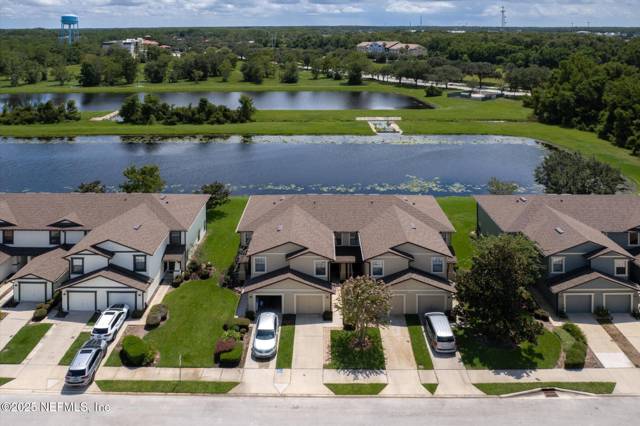
Photo courtesy of BERKSHIRE HATHAWAY HOME SERVICES FLORIDA NETWORK · via realMLS
As of October 2026, Paloma in St. Augustine, FL has 4 homes for sale, asking from $189,900 to $289,000 (median $202,000). Over the 12 months ending 2026-10-10, 8 recorded sales closed at a median of $182,500, $148 per square foot, a median 79 days on market, sellers accepting 93% of original asking (+1% versus the prior year). Homes listed or recently sold were built 2006–2008; 12 of 12 report an HOA (median $416/mo); none of the 12 geocoded homes sit in a FEMA special flood hazard zone (median elevation 39 ft). At the median price and St. Johns County's FY2025-26 rate of 13.47 mills, annual property tax runs about $2,460 ($1,940 with the full homestead exemption).
| Location | St. Augustine, St. Johns County, FL · ZIP 32084 |
|---|---|
| Homes in the community | 241 (FL DOR 2025 assessment roll) |
| Years built | 2006–2009 (median 2007) |
| Typical living area | 1,560 sq ft (median) |
| Home types (current listings and sales) | townhouses 92%, condos 8% |
| Amenities listed by sellers | Playground, Maintenance Grounds, Management - Off Site, Basketball Court, Management - Full Time |
| Sale prices, last 12 months | $182,500 median across 8 closed sales · $148 per sq ft · +1.2% vs the prior 12 months |
| Days on market (closed sales) | 79 median |
| For sale right now | 4 active, 0 pending · median asking $202,000 · 6.0 months of supply |
| Owner-occupied (homestead) share | 35% |
| Zoned public schools | John A. Crookshank Elementary (PK-5); R.J. Murray Middle School (6-8) (A, FLDOE 2025-26); St. Augustine High School (9-12) (A, FLDOE 2025-26) |
Data as of October 10, 2026. Data provided by realMLS; housing-stock figures from Florida Department of Revenue public records. Market figures describe homes, not residents. Cite as: Momentum Realty, “Paloma key facts,” movewithmomentum.com/neighborhoods/paloma-st-augustine, data as of October 10, 2026.
Last 30 days in Paloma: 1 closed sale (median $175,000). As of October 11, 2026, realMLS.
Homes For Sale Right Now in Paloma
Live MLS inventory for Paloma. Every active listing, what is under contract right now, and the last 12 months of closed sales, refreshed twice a day. Closed comps beat an algorithm's guess every time.
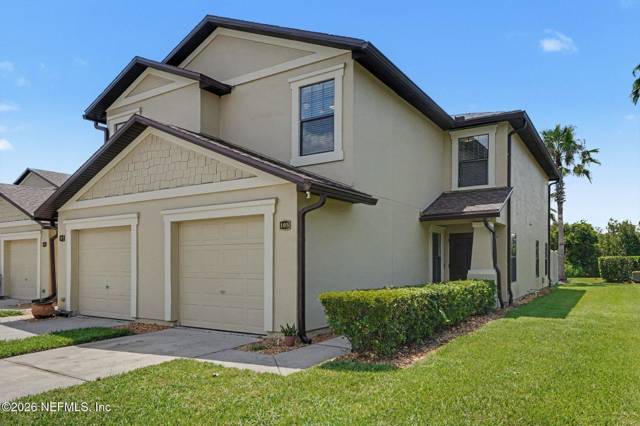 Active · 77 daysTop listing
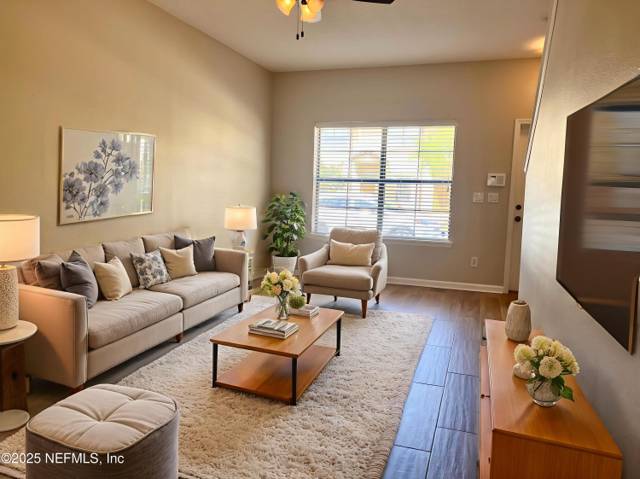 Active · 345 days
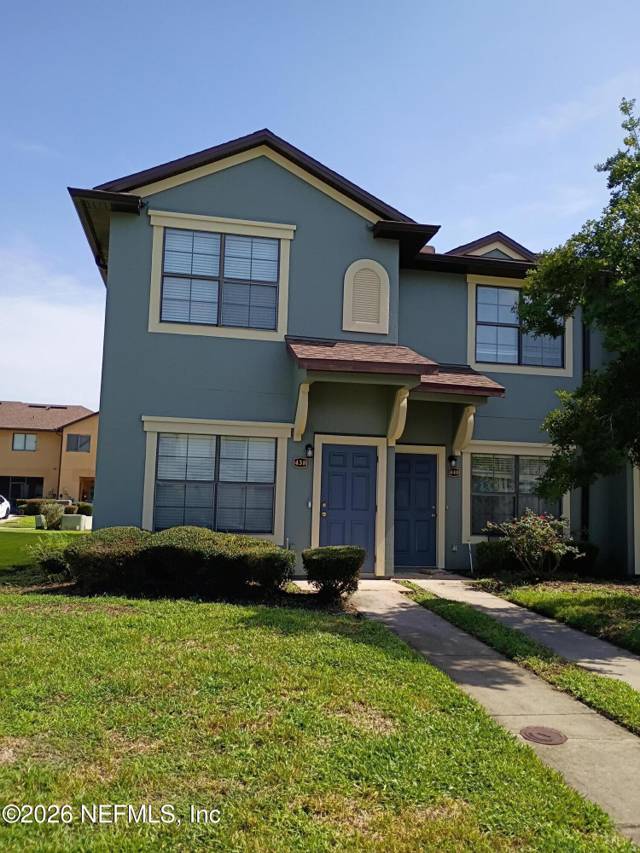 Active · 73 days
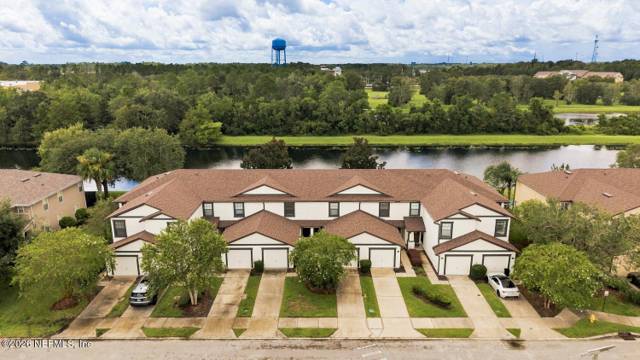 Active · 31 days
Active and pending Paloma listings as of 2026-10-11, priced high to low. Source: Data provided by realMLS. Tap any home to ask about it.
Every Home for Sale in Paloma St Augustine Right Now (4)
All 4 active and pending Paloma St Augustine listings with a detail page, newest first, refreshed twice a day from the MLS.
- 499 Cabernet Place · $189,900 · 2 bd / 2.5 ba · listed Sep 8, 2026 · listed by Memory Hopkins Real Estate
- 438 Cabernet Place · $190,000 · 3 bd / 2.5 ba · listed Jul 29, 2026 · listed by Watson Realty Corp
- 105 Merlot Way · $289,000 · 3 bd / 2.5 ba · listed Jul 25, 2026 · listed by Mark Spain Real Estate
- 613 Drake Bay Terrace · $214,000 · 3 bd / 2.5 ba · listed Jul 13, 2026 · listed by Florida Homes Realty & Mtg Llc

Paloma's price story rests on two closely linked figures: a median sale of $190,000 and a median price per square foot of $152.99. With only 7 closings in this window, that median is real but thin - a single atypical sale can swing it more than it would in a deeper market. The 162% cumulative gain since 2012 shows meaningful long-run appreciation here, even as the most recent year-over-year change of 2.5% points to a pace that has settled to something closer to steady.
On the ground right now, months of supply sits at 3.0 and the market_band reads balanced, but that balance is built on just 2 active listings - a small pool, not a deep one. A median 120 days on market and a market heat score of 19 both describe a community that is not moving quickly. For a buyer that means less competition per home; for a seller it means pricing and presentation carry more weight than urgency.
Paloma right now
🟡 Balanced market. 6.0 months of supply and 0% of the inventory already under contract put buyers and sellers on roughly even footing.Why it matters: months of supply is how long today's inventory would last at today's sales pace; under-contract share is the portion of homes for sale that already have a buyer.Momentum Research analysis of realMLS records, as of October 10, 2026. Confidence: Medium (4 active and pending listings, 8 closed sales in 12 months).
🟡 Still climbing. The trailing-12-month median ($182K) is up 1.2% from the prior 12 months ($180K) and up 152% since 2012. With about a dozen sales a year, a single closing can swing this number, so read the level and the decade, not one year's move.Momentum Research, record-level realMLS closed sales, 12-month windows ending October 10. Confidence: Medium (8 and 6 sales in the two windows).
What's unique here: the median sale price is about 64% below the typical St. Johns County sale ($182K vs $503K, trailing 12 months, realMLS records).
Jump to: Price history & scorecard · Homes for sale · Schools · FAQ
· Updated October 12, 2026 · Live data: realMLS, refreshed twice daily · MLS facts carry their source; interpretation lines are Momentum Research · Data sources & freshness
The 60-Second Overview
Paloma market snapshot (as of October 10, 2026): the median sale price is about $182K ($148 per sq ft over the trailing 12 months of closed sales), a median 80 days on market for closed sales, and 6.0 months of supply, a balanced market. The trailing-12-month median is up 1% from the prior 12 months and up 152% since 2012, computed from record-level realMLS closed sales (8 closings in the current window).
In ZIP 32084 (St. Augustine), 911 homes closed in the last 12 months at a median of $362K ($209/sq ft), up 0.1% year over year, with a median 54 days on market. Right now 171 active and 51 pending listings put supply at about 4.1 months — a balanced market. See the live ZIP 32084 housing market and the St. Johns County market.
County records show 15 qualified sales in Paloma across 2024–2025 (8 in 2024, 7 in 2025), median $200,000 — the last recorded sale per parcel on the Florida DOR 2025 assessment roll, independent of the MLS.
Flood zones in Paloma: of 11 listing addresses checked against the FEMA National Flood Hazard Layer, 100% sit outside the FEMA Special Flood Hazard Area (Zone X). Individual parcels vary - verify any specific address at msc.fema.gov. See flood zones by neighborhood in St. Augustine.
Paloma is a community of 241 homes in St. Augustine, St. Johns County, built between 2006 and 2009 (median 2007), with a median living area of about 1,560 square feet. 35% of parcels are homesteaded, the owner-occupancy proxy in the Florida DOR assessment roll (2025 roll, public records).
Paloma is a smaller community in St. Augustine, St. Johns County, built around HOA-maintained common areas rather than a large, constantly-turning inventory - which means the handful of sales that do close each window carry outsized weight in reading the market here.
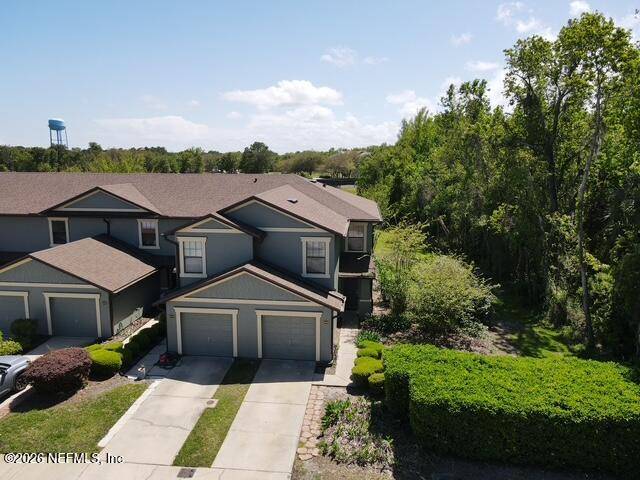
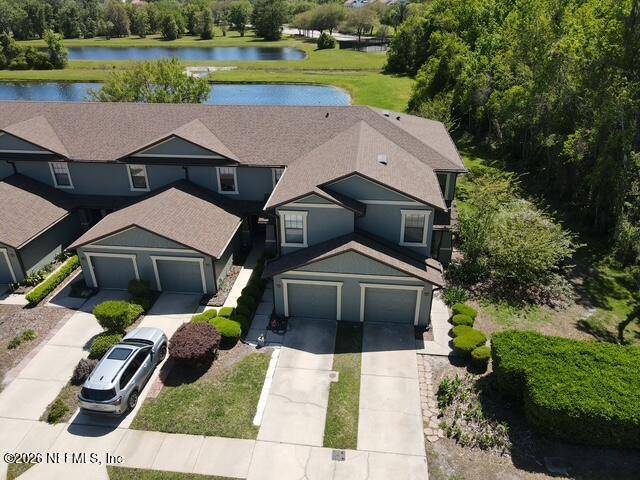
The setting & the homes.
Aerial and on-site photos of Paloma. Swipe to explore the community.
Swipe or use the arrows → tap any photo to enlarge
Paloma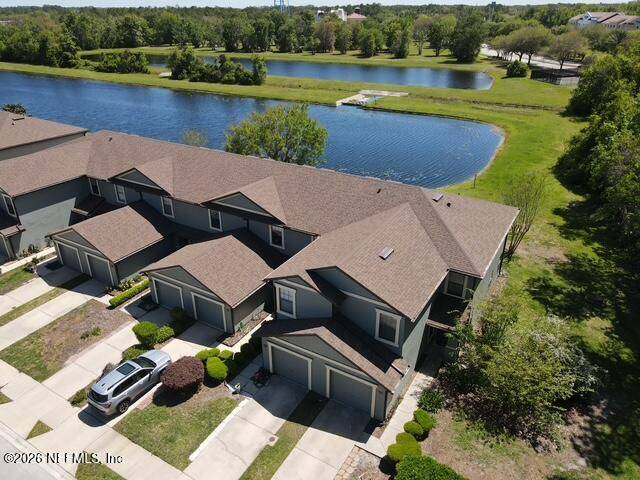 Paloma
 Paloma
 Paloma
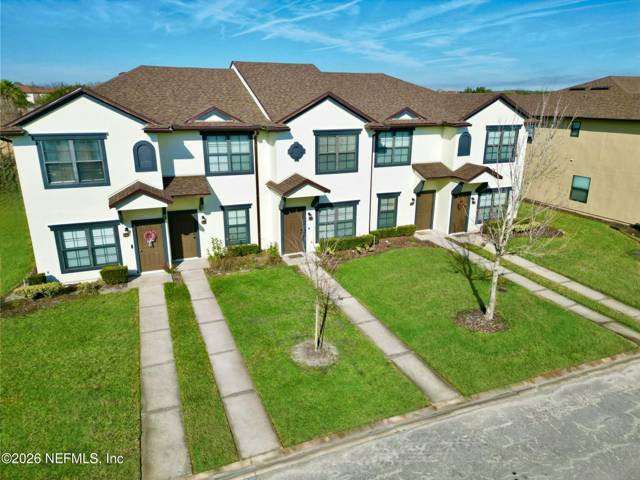 Paloma
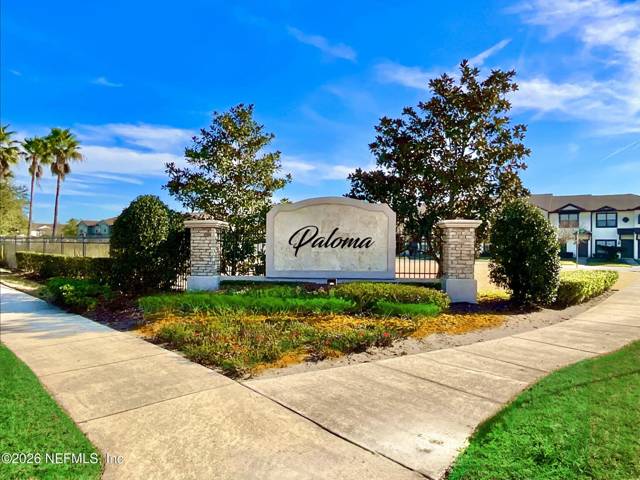 Paloma
Photos from realMLS listings in Paloma; content deemed reliable but not guaranteed.
Who Paloma is best for.
Best for
- Buyers targeting a purchase near the $190,000 median who want grounds maintenance and common-area upkeep handled by the HOA.
- Buyers comfortable moving forward with a small comparable set, given only 2 active listings and 7 recent closings.
- Buyers or sellers taking a longer view, given the community's 162% price gain since 2012.
Probably not for
- Buyers who want a wide field of active listings to compare side by side - only 2 are on the market right now.
- Buyers expecting a fast close - the median days on market here runs around 120.
- Buyers looking for a published automated home-value figure - we prepare a hand-reviewed read instead.
Price History: What Homes Here Have Actually Sold For
Median sale price over the trailing 12 months ending October 10 of each year, from record-level realMLS closed sales. Same methodology as every appreciation figure on this page: the 2026 point ($182K) IS the median in the snapshot above, and the move from 2025 ($180K) IS the +1.2% one-year change.
Windows contain 5 to 19 sales each (8 in the current window); every figure carries its sample size, and thin markets swing on single closings. Source: Data provided by realMLS. Deemed reliable but not guaranteed.
21% of homes for sale in ZIP 32084 are already under contract (under contract ÷ under contract + active listings) — a read on how much of the available inventory buyers have already claimed. Source: MLS data (2026-10-12).
Paloma Market Scorecard
Paloma is currently a buyer's market. About 6.0 months of supply, a median asking price of $202,000, and homes go under contract in about 76 days.
Typical home value in the 32084 ZIP is $348,864, about 3.6% below the Florida norm (Zillow Home Value Index).
Go deeper: ZIP market scorecard · county scorecard · true cost calculator · affordability calculator.
Live data: realMLS, refreshed twice daily. Typical value: Zillow Research. Market metrics only; these describe homes for sale and recent sales, not residents.
Housing distress & ownership in Paloma, St. Augustine
Who owns here, how much is not owner-occupied, and how much for-sale inventory is under distress.
Source: Momentum Realty Research. Ownership & parcels from the FL DOR 2025 tax roll; distress from MLS active-listing status/remarks; price from MLS closed sales. Source: Data provided by realMLS. Deemed reliable but not guaranteed.
Paloma on the map.
Every active, pending, and recently sold home, plotted. Toggle the layers and tap a home for the details.
Listing locations from realMLS. Map data © OpenStreetMap, tiles © CARTO.
Life at Paloma
- Playground · reported on 7 of 8 listings
- Pool · reported on 7 of 8 listings
- Maintenance Grounds · reported on 2 of 8 listings
- Management - Off Site · reported on 1 of 8 listings
- Management - Full Time · reported on 1 of 8 listings
Community amenities as reported across realMLS listings in this community; deemed reliable but not guaranteed. Verify current amenities and access with the HOA.
How far is everything?
Everyday stops around Paloma are close: the nearest health is about 1 minutes away.
- HCA Florida St. Augustine Emergency · Health1 min
- Kahawa Group · Coffee1 min
- Publix · Groceries2 min
- ZENSHI Handcrafted Sushi · Dining2 min
- The Shoppes of Mission Trace · Shopping3 min
- Twelve Mile Swamp Conservation Area · Parks3 min
Approximate drive times via Mapbox Search + Directions, 2026-07-03. Verify for a specific address.
Streets in this community
Street-level pages: every home on record, what sold and what is for sale on each street.
- Cabernet Place (42 homes on record)
- Drake Bay Terrace (27 homes on record)
- Syrah Way (26 homes on record)
Nearby Communities
Explore more neighborhoods near Paloma with Momentum Realty’s local guides.
Schools
- St. Johns County Public Schools
- Verify the zoned schools by address
- Magnet and choice options may be available
- John A. Crookshank Elementary (PK-5) · Elementary
- R.J. Murray Middle School (6-8)FLDOE grade A · Middle
- St. Augustine High School (9-12)FLDOE grade A · High
Grades are official Florida Department of Education school grades for 2025-26. Assignments are reported as of the 2025-26 year and can change; always confirm with St. Johns County Public Schools for a specific address.
Buying with schools in mind? We can confirm the exact zoned schools for any Paloma address.
Shop the zone: Homes zoned for Crookshank Elementary School · Homes zoned for St. Augustine High School
The Paloma buying strategy.
If we were buying in Paloma today, this is the order of operations we would run for our clients.
Underwrite the condition first. Price the roof, HVAC, and systems honestly before judging any list price; condition swings value here more than square footage alone.
Match the home to real comps. Recent sales of similar condition and lot, not the asking price, tell you what a home is worth.
Move deliberately, not desperately. Neither side has a decisive edge, so a well-prepared, fairly-priced offer wins without overpaying.
Line up financing and inspection early. A pre-approval and an inspection plan let you act fast and negotiate from evidence.
Keep an agent in your corner. The listing agent works for the seller; we represent you and prepare a hand-built valuation before any offer in Paloma.
A small market, read carefully
Paloma's HOA covers a playground and pool along with grounds maintenance, and the association runs with both full-time and off-site management (verify current amenities and access with the HOA, since MLS-reported amenities can lag reality). That bundled upkeep is part of what a $190,000 median and $152.99 per-square-foot figure are pricing in, alongside condition and finish on any given unit.
With only 2 active listings and 7 closings in the window, this is not a market where you can lean on a large comparable set. Months of supply at 3.0 lands in balanced territory on paper, and the market heat score of 19 alongside a 120-day median days-on-market both point to a community that trades on its own schedule rather than a fast-moving one.
The location and the amenities are priced into every listing in Paloma. The deal is won or lost on condition, the comps, and the renovation math.
Momentum Buy Score.
Our proprietary 0 to 10 read across the factors that decide how a home in Paloma buys, holds, and resells. Momentum Research; not an appraisal.
Momentum Intelligence Scores are our proprietary, qualitative assessment on a 0 to 10 scale, built from the record-level market data on this page. They are a framework for comparing communities, not a guarantee of future value and not advice on a specific home; unlike an automated value estimate they do not price your home, they grade the community on evidence you can inspect. Composite is the plain average of the 5 factors (5.6). Basis: Long-Term Appreciation +152% since 2012; Recent Direction +1.2% year-over-year; Liquidity & Demand 6.0 months of supply; Owner Commitment 35% owner-occupied; Pricing Power 92.5% sale-to-list. Refreshed with each data update.
Why work with Momentum here
We do not publish an automated home-value number for a community this size - with 2 active listings and 7 closings to work from, a hand-prepared read of condition, the HOA's bundled services, and the actual comparables matters more than a generic algorithm. That is the approach we bring to Paloma, whether you are pricing a sale against a 162% since-2012 trend line or sizing up one of the only two homes currently on the market.
Paloma in 15 seconds.
HOA, CDD & Fees
- No CDD
- HOA reported ~$440/month
- Any club/amenity membership is billed separately
Confirm the current HOA dues, exactly what they cover, and any CDD bond or special assessment for a specific address before you offer.
Page states no CDD.
Flood & Insurance Context
Of 11 sampled listing addresses in this community: 100% outside the FEMA Special Flood Hazard Area (Zone X/B/C).
Address-sampled; individual parcels vary - verify any specific address at msc.fema.gov. Check any address at FEMA's Flood Map Service Center, and see average home-insurance costs by Florida county.
Source: FEMA National Flood Hazard Layer, address-level lookups (n=11) · as of 2026-10
Tools for a Paloma buy.
Free calculators to pressure-test the real cost before you tour.
Selling here is won on condition and pricing to real comps, not an automated estimate. The right number comes from closed Paloma sales matched to your home.
Price it to the comps and condition, not an automated estimate.
If you are thinking about selling in Paloma, the right list price comes from recent comparable sales matched to your home's condition and location, not an automated estimate.
What is your Paloma home worth?
Get a no-obligation home value based on real comparable sales in Paloma, not an automated guess. Tell us about your home and we will personally prepare your numbers and a pricing strategy. No obligation, no spam.
See all homes for sale in St. Augustine →
Recently off market in Paloma
Homes in Paloma that recently left the market. Each address opens its public-record profile: county-recorded value, property taxes, the last recorded sale, community sales history, and what is for sale nearby now. 9 on record.
- 109 Merlot Way · off market
- 237 Syrah Way · off market
- 274 Syrah Way · off market
- 405 Cabernet Place · off market
- 429 Cabernet Place · off market
- 439 Cabernet Place · off market
- 611 Drake Bay Terrace · off market
- 616 Drake Bay Terrace · off market
More St. Augustine home searches
- All homes for sale in St. Augustine, FL
- Homes for sale in St. Johns County, FL
- St. Augustine pool homes for sale
- St. Augustine waterfront homes for sale
- Gated communities in St. Augustine
- St. Augustine golf course homes
- Homes under $300K in St. Augustine
- Homes from $300K to $500K in St. Augustine
- 4-bedroom homes for sale in St. Augustine
- St. Augustine home values: what is my house worth?
Frequently Asked Questions
What is the median home price in Paloma?
How long do homes in Paloma take to sell?
Is Paloma a buyer's or seller's market right now?
How many homes are in Paloma?
What share of Paloma is owner-occupied?
When were the homes in Paloma built?
Have Paloma home prices gone up?
What schools serve Paloma?
Who is the best real estate agent for Paloma?
How do I find a top St. Augustine real estate agent who knows Paloma?
Can Momentum Realty connect me with an agent for Paloma?
Where is Paloma, and what county is it in?
How far is Paloma from downtown Jacksonville and the beach?
Is Paloma in a flood zone?
Is Paloma a good place to live?
Should you buy in Paloma?
An honest fit check. We will tell you when it is not your community.
Data sources & freshness
| Live listings | realMLS, refreshed twice daily (last: October 11, 2026) |
| Community market stats | realMLS closed sales, 12-month windows ending October 10, 2026 |
| Housing stock & ownership | Florida DOR assessment roll (street-list match (4 streets, ZIP 32084)) |
| Under-contract shares | realMLS records, as of 2026-10-10 |
| Schools | 2025-26 district assignments + FLDOE school grades; verify with the district |
| Historical depth | Closed-sale records back to 2006 (178 transactions analyzed) |
Verify the primary sources yourself: Florida DOR · U.S. Census · FEMA flood maps · Citizens Property Insurance.
Momentum Research figures are our own analysis of realMLS records; MLS data is deemed reliable but not guaranteed. Methodology: how Momentum market scores are computed. Market metrics describe homes for sale and recent sales, not residents.
Own a home here?
You just read the data. Now see what your home is worth.
The numbers on this page move markets in the aggregate. The number that matters to you is what a buyer pays for your address. Momentum sells for 1.25% above the realMLS member average and 8 days faster, and we’ll price yours against live local comps.
Looking to buy here? Search homes for sale →
What’s your home worth in your area?
A real valuation with real comps from a local listing agent, not an instant algorithm. Response within one business day.
See how Paloma fits the bigger picture — live prices, inventory, and Momentum Scores:
More on Paloma
- Home values · What homes in Paloma actually sell for
- Find an agent · How to choose the best real estate agent in Paloma