

Timber Pines
Homes for Sale in Spring Hill, FL
True comps, carrying-cost math, and listings before the portals.
Market Heat
Homes For Sale Right Now in Timber Pines
Live MLS inventory for Timber Pines. Every active listing, what is under contract right now, and the last 12 months of closed sales, refreshed twice a day. Closed comps beat an algorithm's guess every time.
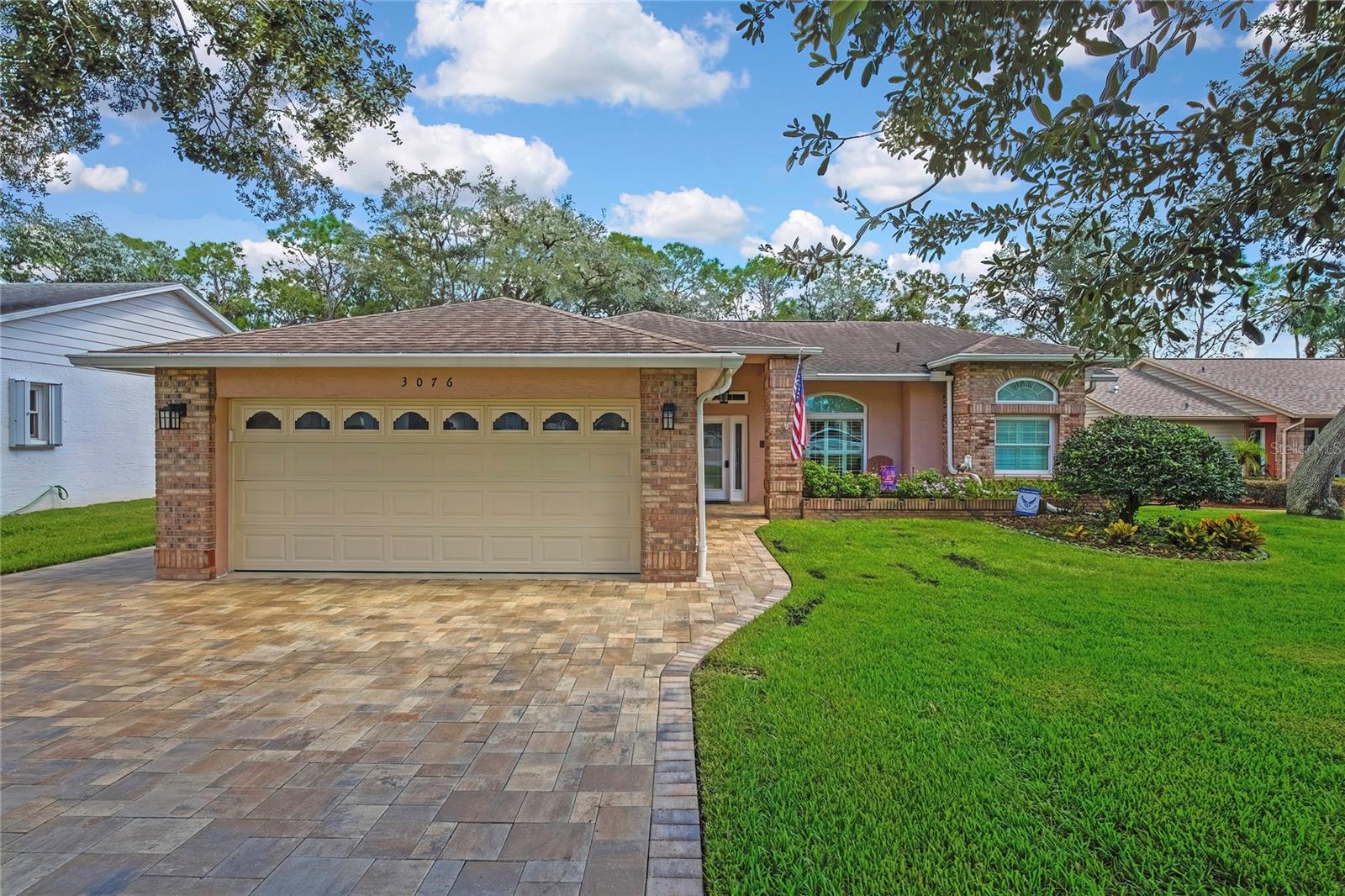 Active · 3 daysTop listing
 Active · 27 days
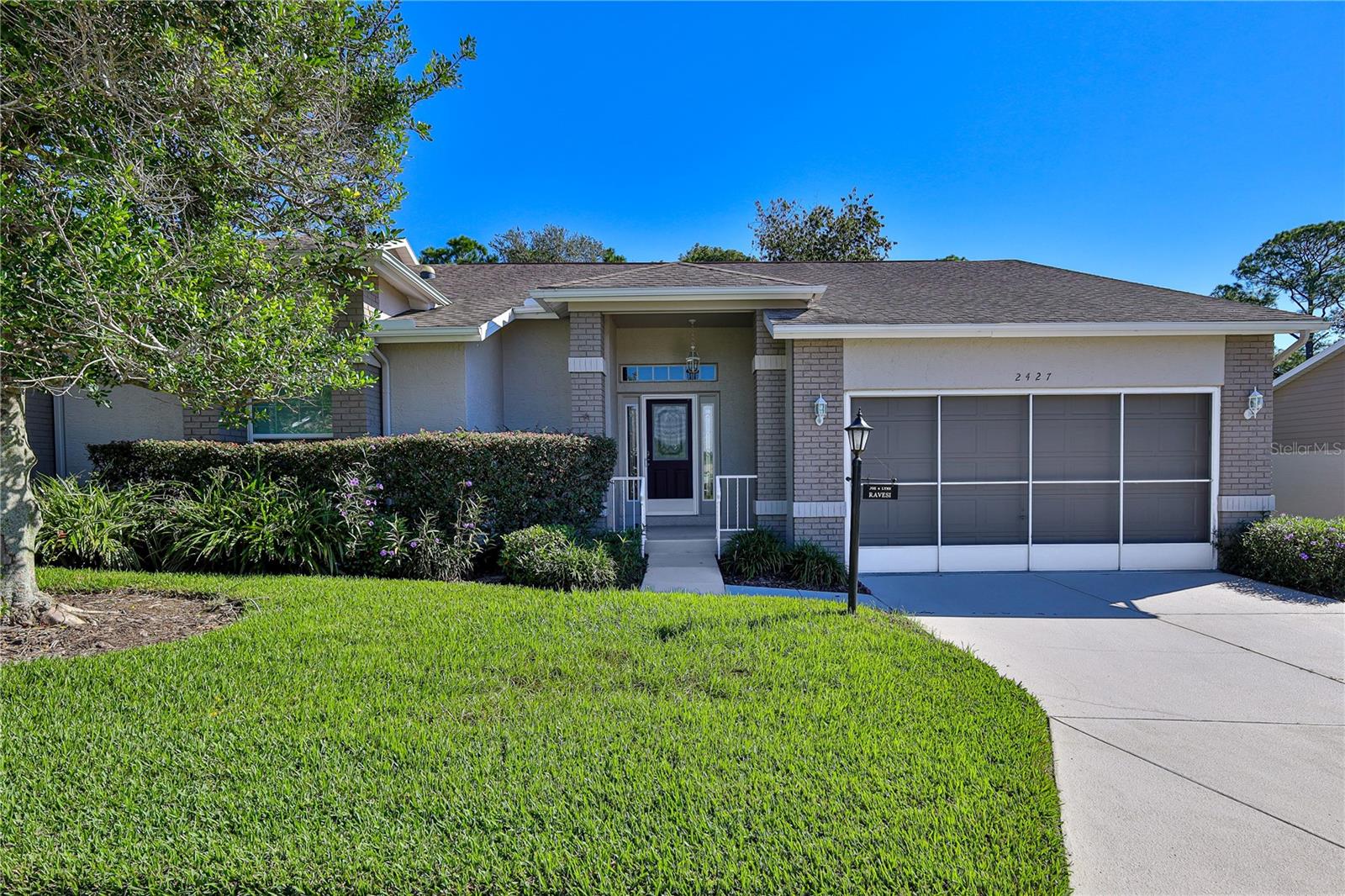 Active · 8 days
 Active · 20 days
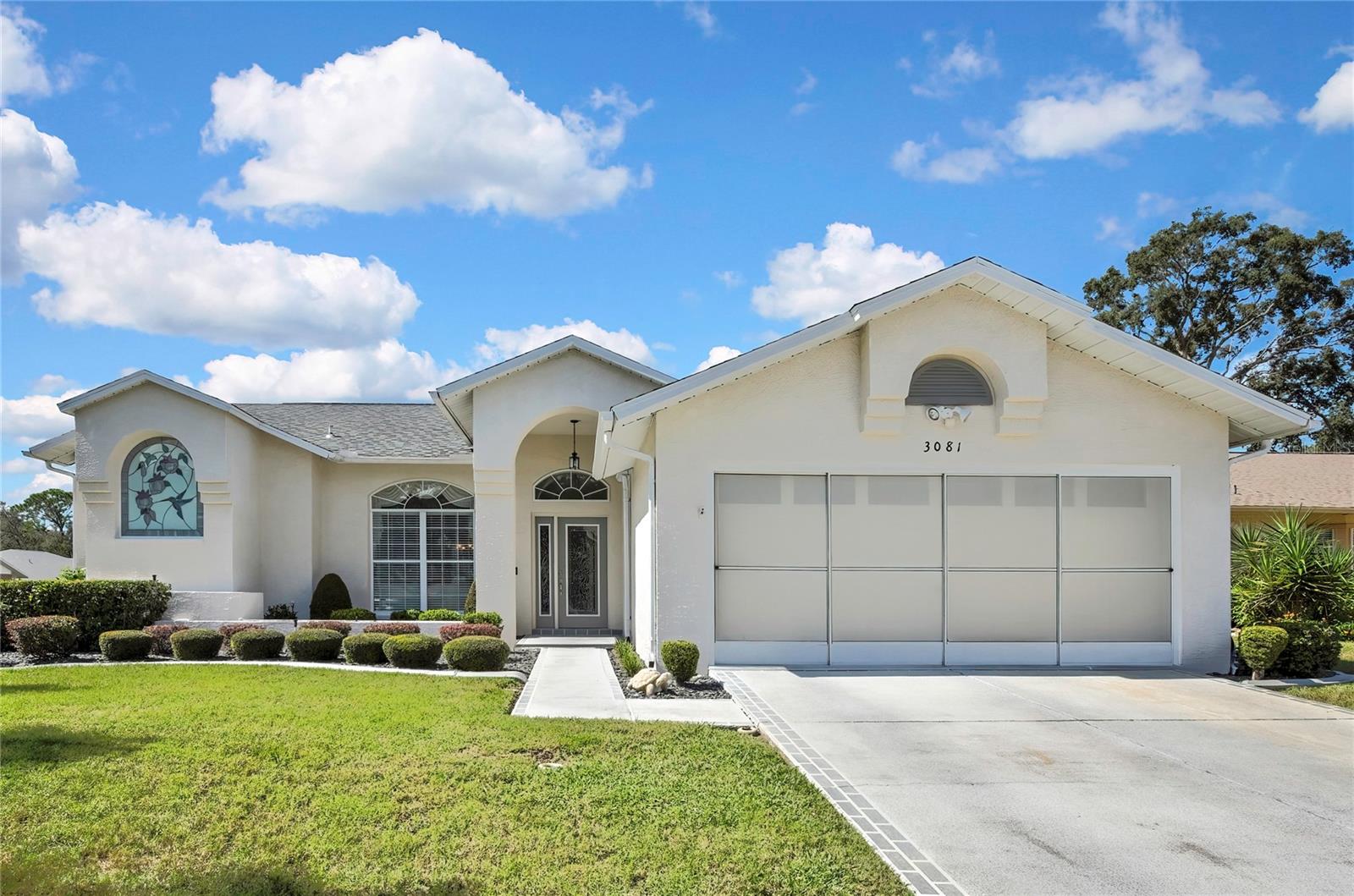 Active · 4 days
 Active · 76 days
 Active · 139 days
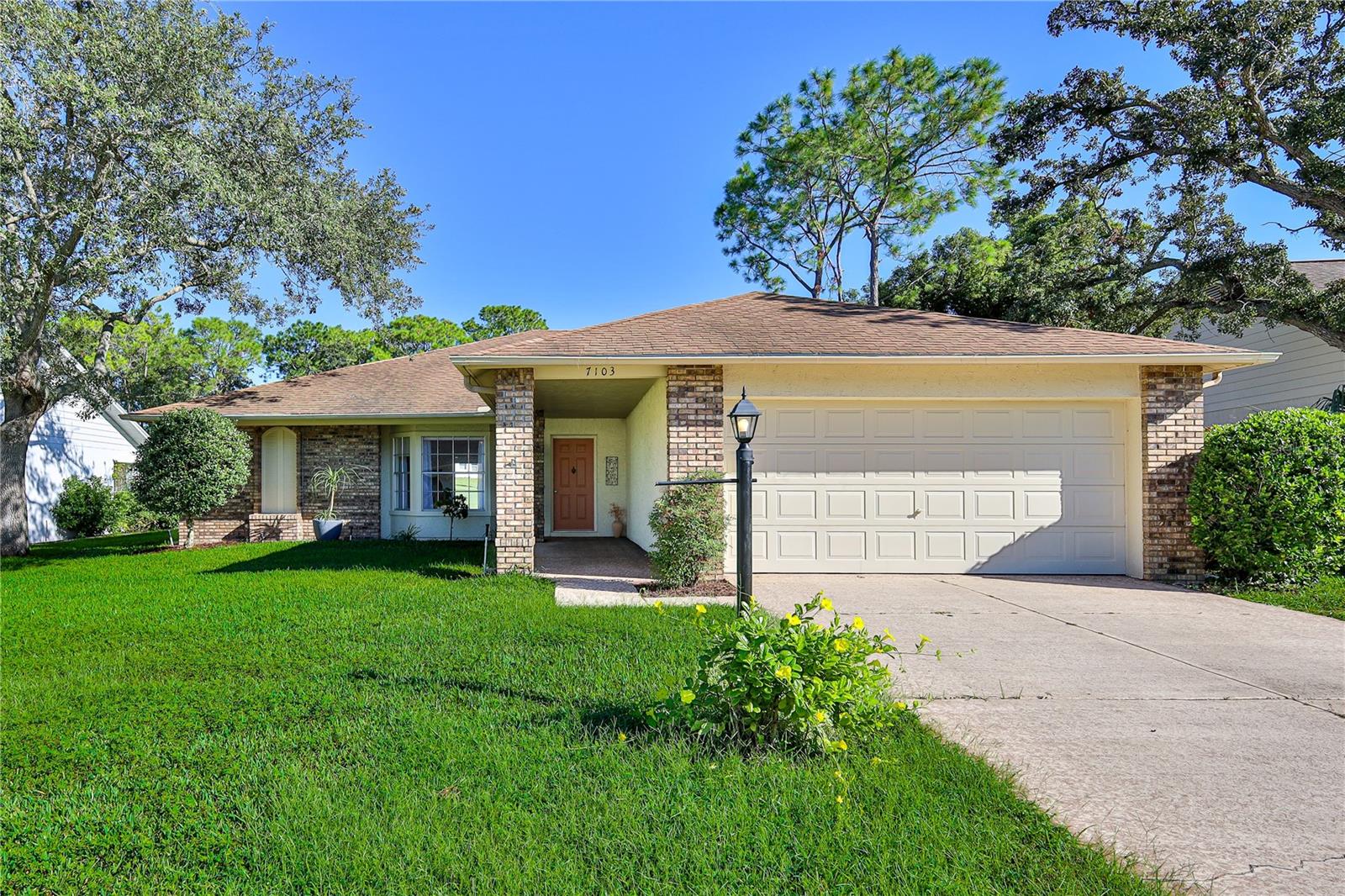 Active · 8 days
 Active · 21 days
 Active · 22 days
 Active · 41 days
 Active · 152 days
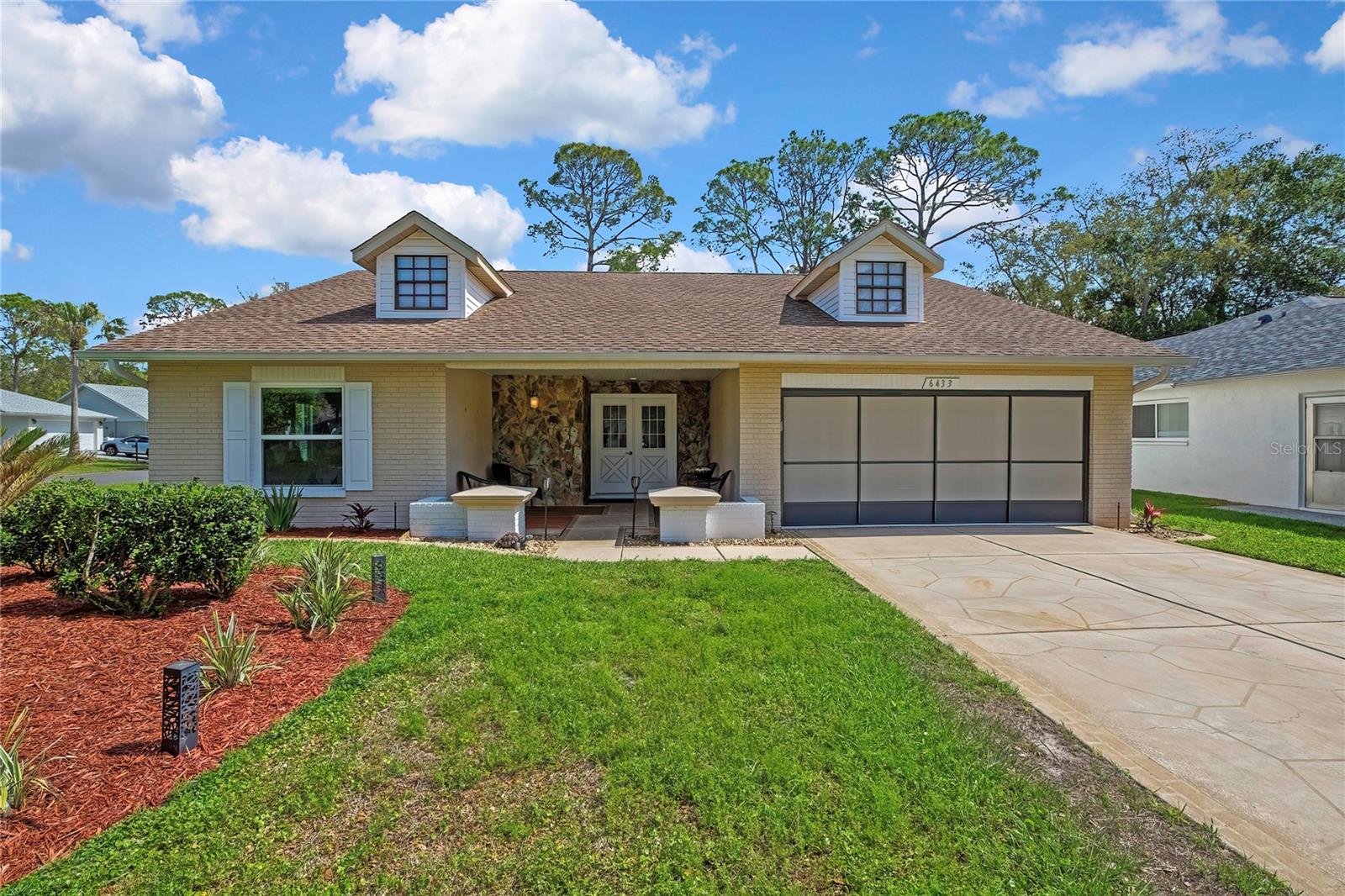 Active · 191 days
Active and pending Timber Pines listings as of 2026-10-23, priced high to low. Based on Stellar MLS data distributed by MLS GRID for the period 2006 through 2026. Tap any home to ask about it.

Timber Pines is a golf-course deed-restricted community built out mostly in the 1980s and 1990s, with a median year built of 1992 and construction extending as late as 2017 in pockets. With only 37 active listings against 3,433 homes and 2.6 months of supply, this reads as a seller-leaning market as of mid-July 2026 — inventory is thin relative to the size of the community.
Pricing here is going to be driven by condition and updates more than location, since the bulk of the housing stock shares a similar era of construction. A homestead share of 63.6% suggests a base of longer-tenured owners, which tends to mean listings surface unevenly rather than in predictable waves — buyers who wait for more choice may simply wait through a slow season.
Figures in this note are as of July 22, 2026. The live market numbers elsewhere on this page update nightly and are newer.
Timber Pines right now
🔴 Seller-leaning market. 2.6 months of supply and 20% of the inventory already under contract give sellers the pressure advantage.Why it matters: months of supply is how long today's inventory would last at today's sales pace; under-contract share is the portion of homes for sale that already have a buyer.Momentum Research analysis of Stellar MLS records, as of August 2, 2026. Confidence: Very High (46 active and pending listings, 152 closed sales in 12 months).
🟡 Off the recent peak. The trailing-12-month median ($284K) is down 1.0% from the prior 12 months ($287K).Momentum Research, record-level Stellar MLS closed sales, 12-month windows ending August 2. Confidence: Very High (152 and 154 sales in the two windows).
Jump to: Price history & scorecard · Homes for sale · Schools · FAQ
· Updated August 2, 2026 · Live data: Stellar MLS, refreshed twice daily · MLS facts carry their source; interpretation lines are Momentum Research · Data sources & freshness
The 60-Second Overview
Timber Pines market snapshot (as of August 2, 2026): the median sale price is about $284K ($170 per sq ft over the trailing 12 months of closed sales), a median 32 days on market for closed sales, and 2.6 months of supply, a seller-leaning market. The trailing-12-month median is down 1% from the prior 12 months, computed from record-level Stellar MLS closed sales (152 closings in the current window).
Timber Pines is a community of 3,433 homes in Spring Hill, Hernando County, built between 1981 and 2017 (median 1992), with a median living area of about 2,487 square feet. 64% of parcels are homesteaded, the owner-occupancy proxy in the Florida DOR assessment roll (2025 roll, public records).
Timber Pines is a gated, amenity-dense golf community in Spring Hill built primarily between 1981 and 2017, with a median home near 2,487 square feet — sizeable for the era and typical of communities built around a golf and clubhouse core rather than a subdivision grid.
The setting & the homes.
Aerial and on-site photos of Timber Pines. Swipe to explore the community.
Swipe or use the arrows → tap any photo to enlarge
Timber PinesTimber PinesTimber PinesTimber Pines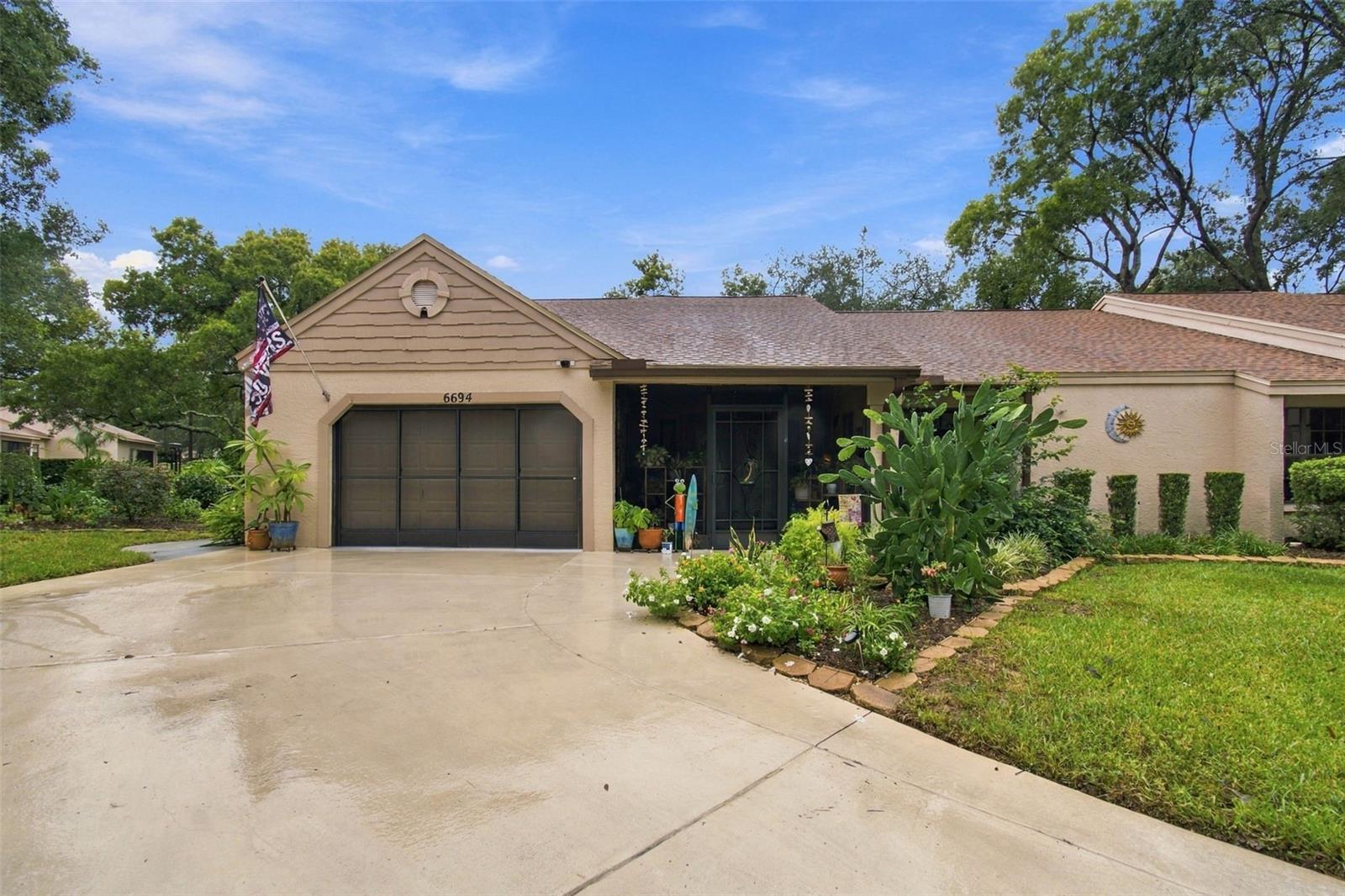 Timber Pines
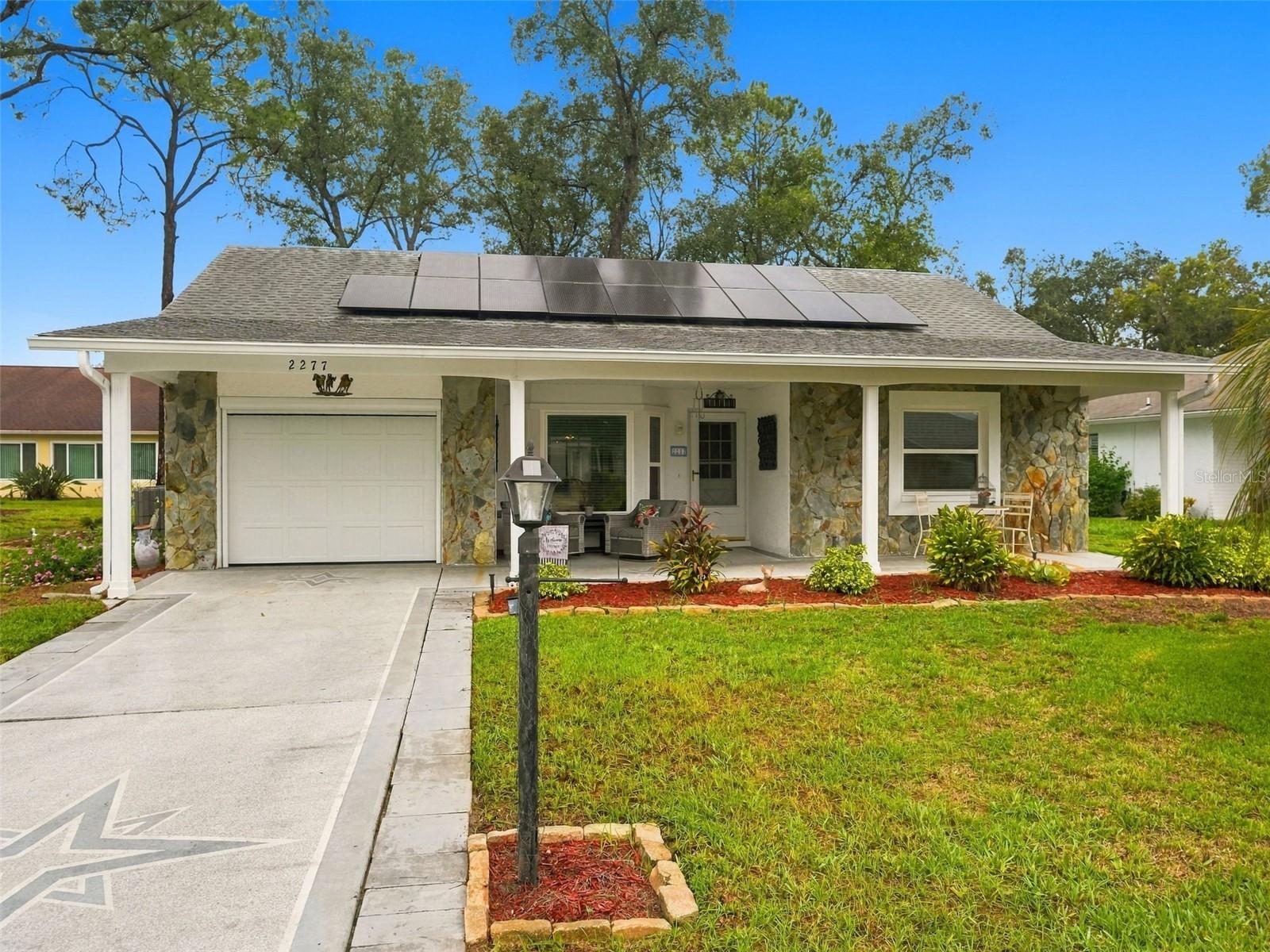 Timber PinesTimber PinesTimber Pines
Photos from Stellar MLS listings in Timber Pines; content deemed reliable but not guaranteed.
Who Timber Pines is best for.
Best for
- Buyers looking for a single community that bundles golf, fitness, and clubhouse dining rather than piecing amenities together elsewhere
- Buyers comfortable with a home built primarily in the 1980s-1990s era who plan to budget for condition and updates rather than expecting new construction
- Sellers with a well-maintained home who want to list into a market currently showing tight supply
Probably not for
- Buyers who want a wide selection of active listings to compare before deciding
- Buyers seeking a home with no HOA, no deed restrictions, or no gated access
- Buyers specifically targeting recent-construction homes over an established, single-era community
Price History: What Homes Here Have Actually Sold For
Median sale price over the trailing 12 months ending August 2 of each year, from record-level Stellar MLS closed sales. Same methodology as every appreciation figure on this page: the 2026 point ($284K) IS the median in the snapshot above, and the move from 2025 ($287K) IS the -1.0% one-year change.
Windows contain 0 to 154 sales each (152 in the current window); every figure carries its sample size. Based on Stellar MLS data distributed by MLS GRID for the period 2006 through 2026. Deemed reliable but not guaranteed.
26% of homes for sale in ZIP 34606 are already under contract (under contract ÷ under contract + active listings) — a read on how much of the available inventory buyers have already claimed. Source: MLS data (2026-08-01).
Timber Pines Market Scorecard
Timber Pines is currently a seller-leaning market. About 2.6 months of supply, a median asking price of $299,000, and homes go under contract in about 35 days.
Go deeper: ZIP market scorecard · county scorecard · true cost calculator · affordability calculator.
Live data: Stellar MLS, refreshed twice daily. Market metrics only; these describe homes for sale and recent sales, not residents.
Housing distress & ownership in TIMBER PINES, SPRING HILL
Who owns here, how much is not owner-occupied, and how much for-sale inventory is under distress.
Source: Momentum Realty Research. Ownership & parcels from the FL DOR 2025 tax roll; distress from MLS active-listing status/remarks; price from MLS closed sales. Based on Stellar MLS data distributed by MLS GRID for the period October 2026 through October 2026. Deemed reliable but not guaranteed.
Timber Pines on the map.
Every active, pending, and recently sold home, plotted. Toggle the layers and tap a home for the details.
Listing locations from Stellar MLS. Map data © OpenStreetMap contributors.
Life at Timber Pines
- Gated Community - Guard · reported on 50 of 51 listings
- Clubhouse · reported on 49 of 51 listings
- Deed Restrictions · reported on 46 of 51 listings
- Golf · reported on 46 of 51 listings
- Pool · reported on 46 of 51 listings
- Tennis Court(s) · reported on 45 of 51 listings
- Golf Carts OK · reported on 43 of 51 listings
- Fitness Center · reported on 43 of 51 listings
- Restaurant · reported on 42 of 51 listings
- Gated · reported on 34 of 51 listings
- Pickleball Court(s) · reported on 34 of 51 listings
- Dog Park · reported on 33 of 51 listings
Community amenities as reported across Stellar MLS listings in this community; deemed reliable but not guaranteed. Verify current amenities and access with the HOA.
Schools
- Hernando County Public Schools
- Verify the zoned schools by address
- Magnet and choice options may be available
- Hernando County Public Schools (verify by address) · Public
- Confirm zoned elementary, middle, and high · By address
- Magnet and choice options may apply · Choice
Zoned schools reflect the assignments reported on recent Timber Pines listings and can change; always confirm with Hernando County Public Schools for a specific address.
Buying with schools in mind? We can confirm the exact zoned schools for any Timber Pines address.
Recent Developments in Timber Pines
Development, infrastructure, retail, and school activity affecting Timber Pines, tracked by our team and summarized from public reporting and official sources, with links to the original coverage. Last updated October 2026.
- July 2026Infrastructure
Brooksville-Tampa Bay Regional Airport receives $13.6 million federal grant
The Brooksville-Tampa Bay Regional Airport received a $13.6 million federal grant from the U.S. Economic Development Administration for roads, drainage, utilities, electrical service, and converting an unused 5,000-foot runway into a modern taxiway. The work will prepare about 600 acres of airport land for aviation and aerospace company development.
What it may mean for the marketAirport infrastructure funding readies roughly 600 acres for aviation and aerospace facilities, strengthening the area industrial and employment base. The project is about 9 miles east of Timber Pines, elsewhere in Hernando County.
Source: Hernando Sun - July 2026Development
Board approves height allowance increase at One Hernando Center
The Hernando County Commission unanimously approved raising the maximum building height from 60 feet to 85 feet for One Hernando Center, a 146-acre industrial distribution development east of Kettering Road in Brooksville. The added height accommodates automated storage and retrieval systems for uses such as cold storage and manufacturing.
What it may mean for the marketA 146-acre industrial distribution park advances with taller warehouse capacity, adding to the area logistics and manufacturing footprint. The project is about 11 miles northeast of Timber Pines, elsewhere in Hernando County.
Source: Hernando Sun - July 2026Civic
County Board approves new fire station prototype
The Hernando County Board voted 4-0 on June 23 to approve two prototype fire station designs, a 3-bay and a 4-bay configuration, by KMF Architects at a Phase 1 design cost of about $296,902. The reusable prototypes are intended to speed and standardize future fire station construction countywide.
What it may mean for the marketStandardized fire station prototypes aim to expedite future public safety facility construction across the county, supporting emergency service infrastructure as growth continues. The project is about 14 miles east of Timber Pines, elsewhere in Hernando County.
Source: Hernando Sun - June 2026Development
Hernando School Board signs off on two large housing developments
On June 9 the Hernando County School Board approved school concurrency for two subdivisions between I-75 and Lockhart Road: Black Jack Ridge with up to 978 houses and Ginny Grove with up to 907 units. The board determined area schools have sufficient capacity to accommodate the new developments.
What it may mean for the marketTwo large residential subdivisions totaling roughly 1,885 homes are cleared to advance in the I-75 corridor, expanding the local housing supply pipeline. The project is about 15 miles east of Timber Pines, elsewhere in Hernando County.
Source: Hernando Sun - May 2026Infrastructure
County Line Road widening moves forward
Hernando County commissioners unanimously approved a funding strategy to widen County Line Road between Mariner Boulevard and the Suncoast Parkway, a project shared with Pasco County and FDOT. Land acquisition is budgeted at $20 million and construction at $65 million, with funds set aside in the Five-Year Capital Improvement Program.
What it may mean for the marketA long stalled County Line Road widening advances toward funding, improving a key east-west corridor at the Hernando and Pasco boundary. The site is about 4 miles southeast of Timber Pines.
Source: Hernando Sun
Summaries reflect public reporting and official sources linked above as of the dates shown. Project details, timelines, and approvals can change. Commentary on potential market effects is general observation, not investment advice or a prediction for any specific property. For the freshest items across the whole region, see This Week in Northeast Florida.
The Timber Pines buying strategy.
If we were buying in Timber Pines today, this is the order of operations we would run for our clients.
Underwrite the condition first. Price the roof, HVAC, and systems honestly before judging any list price; condition swings value here more than square footage alone.
Match the home to real comps. Recent sales of similar condition and lot, not the asking price, tell you what a home is worth.
Come strong and clean. Homes here move, so lead with your best terms and financing ready rather than a low anchor.
Line up financing and inspection early. A pre-approval and an inspection plan let you act fast and negotiate from evidence.
Keep an agent in your corner. The listing agent works for the seller; we represent you and prepare a hand-built valuation before any offer in Timber Pines.
A single-era community with a full amenity roster
The amenity list here is unusually deep for a Hernando County community: a guarded gate, clubhouse, golf course, pool, tennis and pickleball courts, a fitness center, a restaurant, and a dog park are all reported across MLS listings, alongside deed restrictions that keep the community's look and use consistent. That combination points to a lifestyle built around the clubhouse and course rather than proximity to any single commercial corridor, and it's worth verifying current access and fees directly with the HOA since amenity rosters can shift over time.
With active inventory sitting at 37 listings against more than 3,400 homes, this is not a community where buyers will find dozens of comparable options at once. The 2.6-month supply figure puts it on the tighter side of the market, and combined with a housing stock concentrated in a fairly narrow build era, the differentiator between listings will mostly come down to how well each home has been maintained or updated rather than lot location or age spread.
The location and the amenities are priced into every listing in Timber Pines. The deal is won or lost on condition, the comps, and the renovation math.
Momentum Buy Score.
Our proprietary 0 to 10 read across the factors that decide how a home in Timber Pines buys, holds, and resells. Momentum Research; not an appraisal.
Momentum Intelligence Scores are our proprietary, qualitative assessment on a 0 to 10 scale, built from the record-level market data on this page. They are a framework for comparing communities, not a guarantee of future value and not advice on a specific home; unlike an automated value estimate they do not price your home, they grade the community on evidence you can inspect. Composite is the plain average of the 4 factors (6.5). Basis: Recent Direction -1.0% year-over-year; Liquidity & Demand 2.6 months of supply; Owner Commitment 64% owner-occupied; Pricing Power 94.6% sale-to-list. Refreshed with each data update.
Why work with Momentum here
A community this amenity-heavy comes with layers most agents skim past — gate access rules, golf membership structure, HOA deed restrictions — and getting those details wrong costs buyers time and sellers showings. We verify what's active with the HOA before you write an offer or set a list price, and we price against a housing stock where condition, not neighborhood, is doing most of the work.
Timber Pines in 15 seconds.
Tools for a Timber Pines buy.
Free calculators to pressure-test the real cost before you tour.
Selling here is won on condition and pricing to real comps, not an automated estimate. The right number comes from closed Timber Pines sales matched to your home.
Price it to the comps and condition, not an automated estimate.
If you are thinking about selling in Timber Pines, the right list price comes from recent comparable sales matched to your home's condition and location, not an automated estimate.
What is your Timber Pines home worth?
Get a no-obligation home value based on real comparable sales in Timber Pines, not an automated guess. Tell us about your home and we will personally prepare your numbers and a pricing strategy. No obligation, no spam.
See homes for sale in Timber Pines on the map →
Frequently Asked Questions
What is the median home price in Timber Pines?
How long do homes in Timber Pines take to sell?
Is Timber Pines a buyer's or seller's market right now?
How many homes are in Timber Pines?
What share of Timber Pines is owner-occupied?
When were the homes in Timber Pines built?
Do cash buyers compete in Timber Pines?
What schools serve Timber Pines?
Who is the best real estate agent for Timber Pines?
How do I find a top Spring Hill real estate agent who knows Timber Pines?
Can Momentum Realty connect me with an agent for Timber Pines?
Should you buy in Timber Pines?
An honest fit check. We will tell you when it is not your community.
Nearby Communities
Explore more neighborhoods near Timber Pines with Momentum Realty’s local guides.
Data sources & freshness
| Live listings | Stellar MLS, refreshed twice daily (last: October 23, 2026) |
| Community market stats | Stellar MLS closed sales, 12-month windows ending August 2, 2026 |
| Housing stock & ownership | Florida DOR assessment roll (community parcel extract) |
| Under-contract shares | Stellar MLS records, as of 2026-08-01 |
| Schools | 2025-26 district assignments + FLDOE school grades; verify with the district |
| Historical depth | Closed-sale records back to 2006 (714 transactions analyzed) |
Verify the primary sources yourself: Florida DOR · U.S. Census · FEMA flood maps · Citizens Property Insurance.
Momentum Research figures are our own analysis of Stellar MLS records; MLS data is deemed reliable but not guaranteed. Methodology: how Momentum market scores are computed. Market metrics describe homes for sale and recent sales, not residents.
Own a home here?
You just read the data. Now see what your home is worth.
The numbers on this page move markets in the aggregate. The number that matters to you is what a buyer pays for your address. Momentum sells for 1.25% above the Stellar MLS member average and 8 days faster, and we’ll price yours against live local comps.
Looking to buy here? Search homes for sale →
What’s your home worth in your area?
A real valuation with real comps from a local listing agent, not an instant algorithm. Response within one business day.
See how TIMBER PINES fits the bigger picture — live prices, inventory, and Momentum Scores: