

Watergrass
Homes for Sale in Wesley Chapel, FL
All 730 homes for sale in Wesley Chapel, FL · median $435,000 · 288 homes for sale in 33545 · Pasco County homes for sale
True comps, carrying-cost math, and listings before the portals.
Market Heat
As of October 2026, Watergrass in Wesley Chapel, FL has 9 homes for sale and 4 pending, asking from $335,000 to $749,900 (median $549,000). Over the 12 months ending 2026-09-20, 12 recorded sales closed at a median of $385,000, $196 per square foot, a median 32 days on market, sellers accepting 97% of original asking (-6% versus the prior year). Homes listed or recently sold were built 2006 - 2023; 25 of 25 report an HOA (median $12/mo); none of the 25 geocoded homes sit in a FEMA special flood hazard zone (median elevation 118 ft). At the median price and Pasco County's FY2025-26 rate of 16.15 mills, annual property tax runs about $6,220 ($5,570 with the full homestead exemption).
Villages & sections of Watergrass
Watergrass in Wesley Chapel, FL is a master-planned community recorded as 22 named villages and sections in the MLS; 21 homes are for sale or pending across them today. Each village has its own page with its listings, sales history and HOA/CDD facts.
- Watergrass Pcls C-1 & C-2 · 6 for sale · 9 sold/12 mo
- Watergrass Pcls D2 D3 & D4 · 6 for sale · 3 sold/12 mo
- Watergrass Prcl H-1 · 3 for sale · 2 sold/12 mo
- Watergrass Prcl D-1 · 2 for sale · 5 sold/12 mo
- Watergrass Prcl F-2 · 2 for sale · 3 sold/12 mo
- Watergrass Prcl E-1 · 1 for sale · 3 sold/12 mo
- Watergrass Parcel \ · 1 for sale
- Towns/Watergrass · 3 sold/12 mo
- Watergrass Pcls B-5 & B-6 · 2 sold/12 mo
- Watergrass Prcl B1-B4 · 1 sold/12 mo
- Watergrass Prcl Dd-1 · 1 sold/12 mo
- Watergrass Towns · 1 sold/12 mo
- Watergrass Parce F-2
- Watergrass Parcel H-1
- Watergrass Parcels D-2
- Watergrass Pcl E-2
- Watergrass Pcls B-1 B-2 B-3 &
- Watergrass Pcls D2-D4
- Watergrass Prcl B1-B3
- Watergrass Prcl G-1
- Watergrass- Graybrook Gated Section
- The Towns at Watergrass
Sections of Watergrass in the MLS
Watergrass in Wesley Chapel, FL is recorded as 2 separate subdivisions/phases in the MLS; 0 homes are for sale across them today. Each section has its own page:
Last 30 days in Watergrass: 1 new listing (median asking $335,000), 4 under contract right now, 2 closed sales (median $365,000). As of October 20, 2026, Listings courtesy of Stellar MLS as distributed by MLS GRID.
Homes For Sale Right Now in Watergrass
Live MLS inventory for Watergrass. Every active listing, what is under contract right now, and the last 12 months of closed sales, refreshed twice a day. Closed comps beat an algorithm's guess every time.
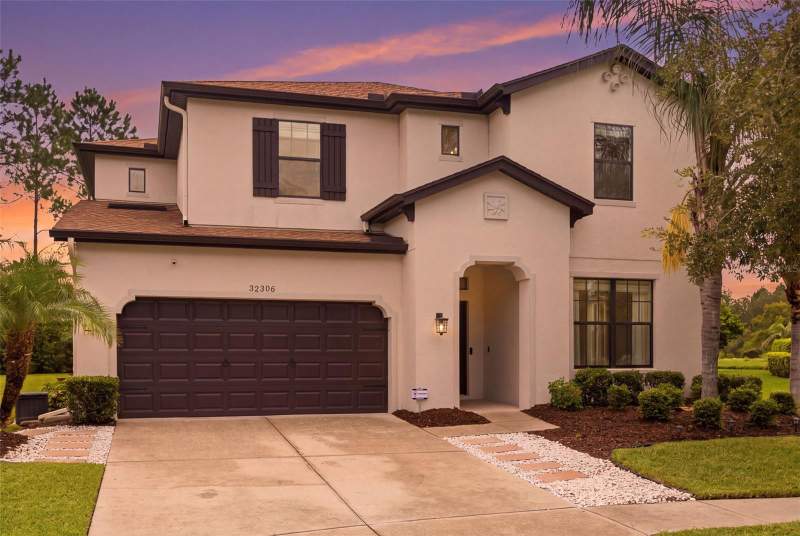 Active · 64 daysTop listing
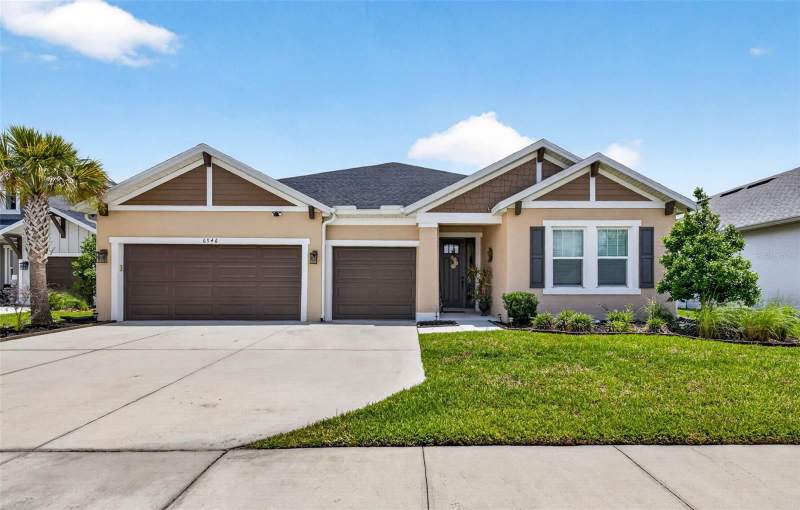 Active · 138 days
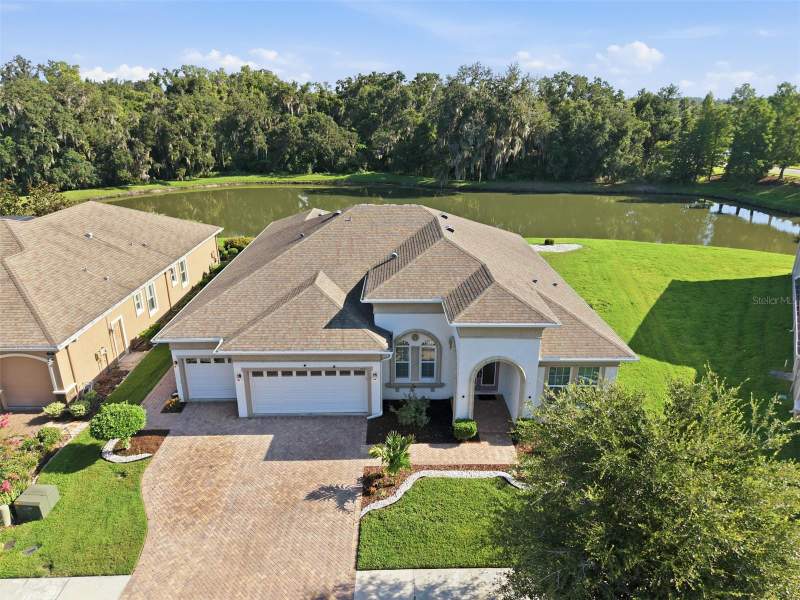 Active · 101 days
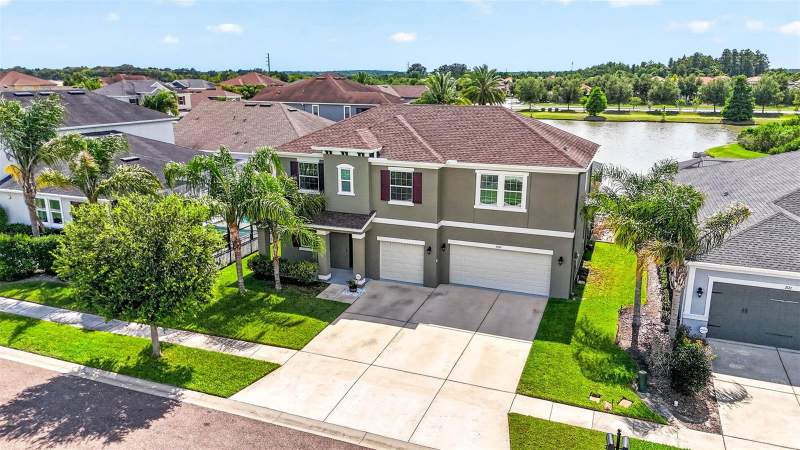 Active · 133 days
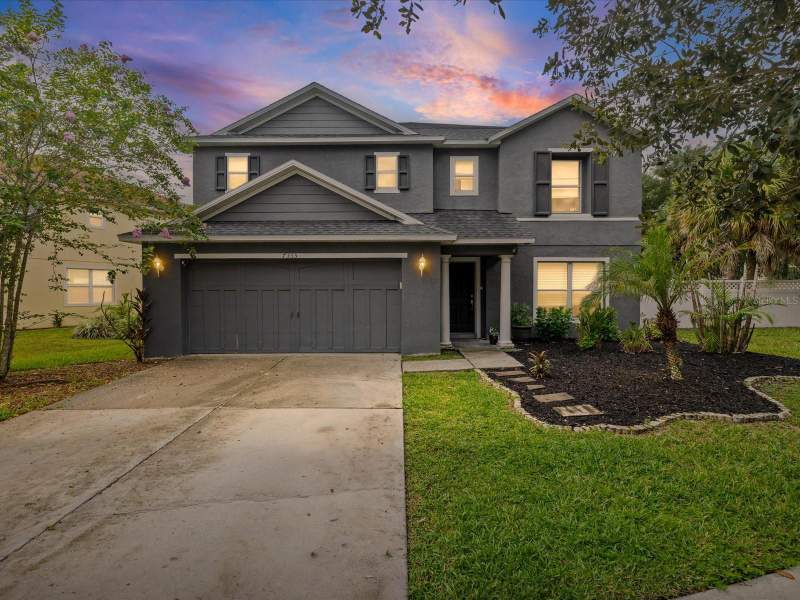 Active · 40 days
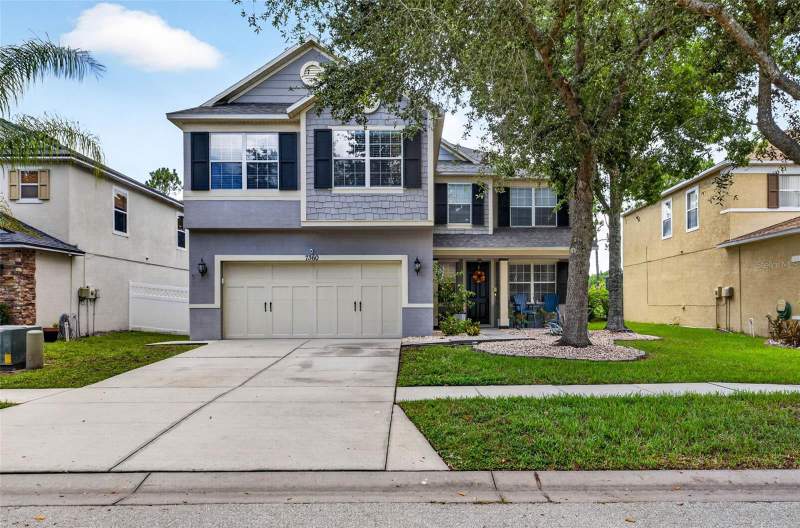 Active · 102 days
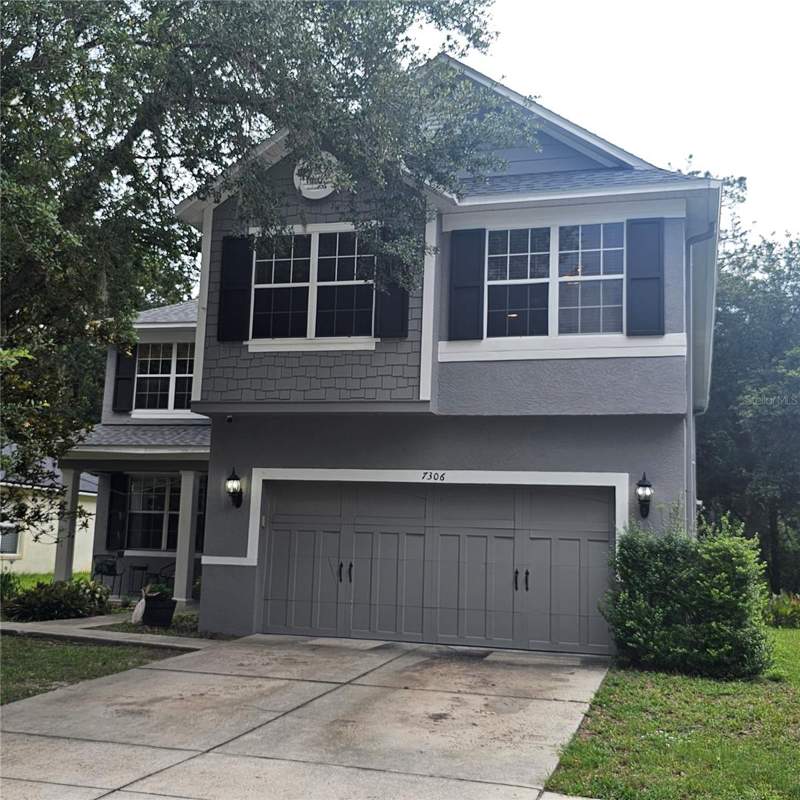 Active · 98 days
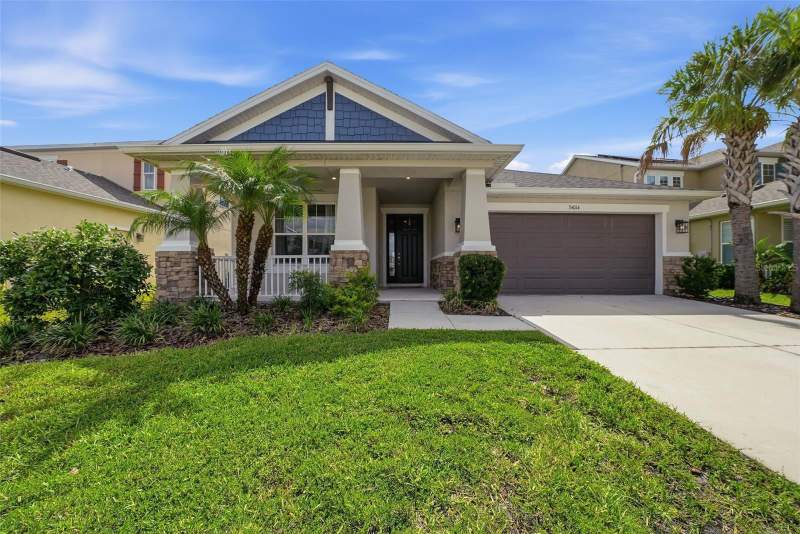 Active · 88 days
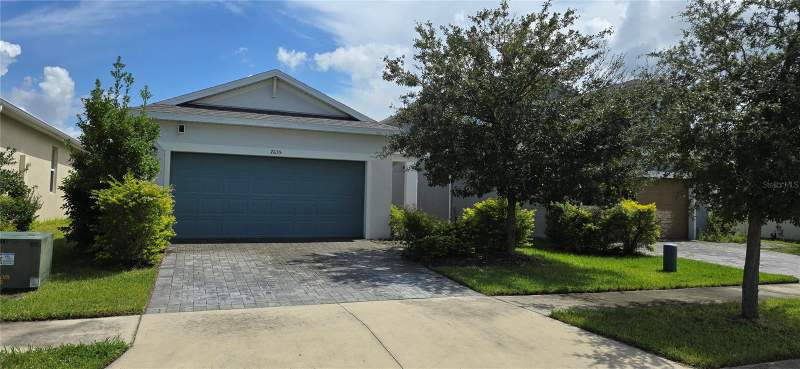 Active · 30 days
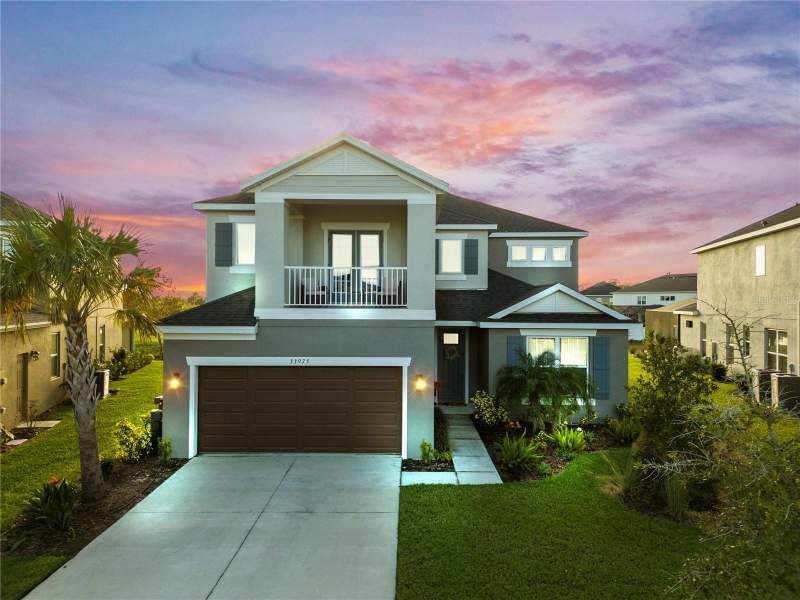 Pending · 180 days
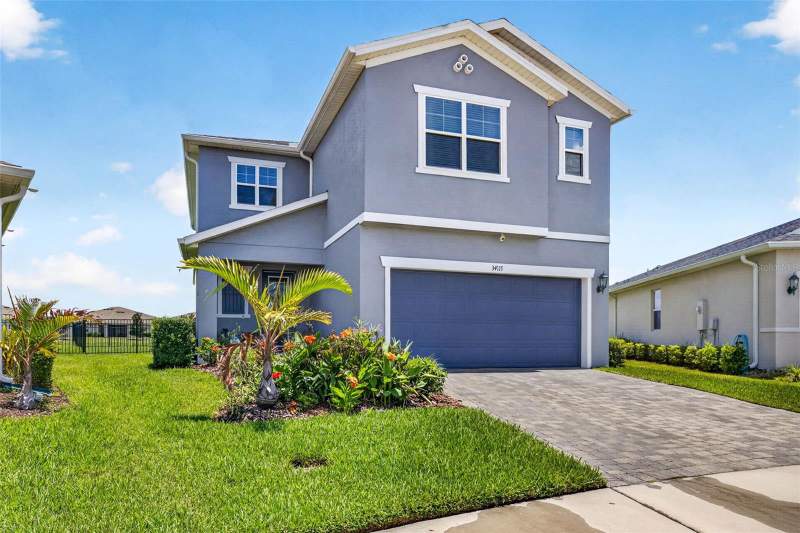 Pending · 0 days
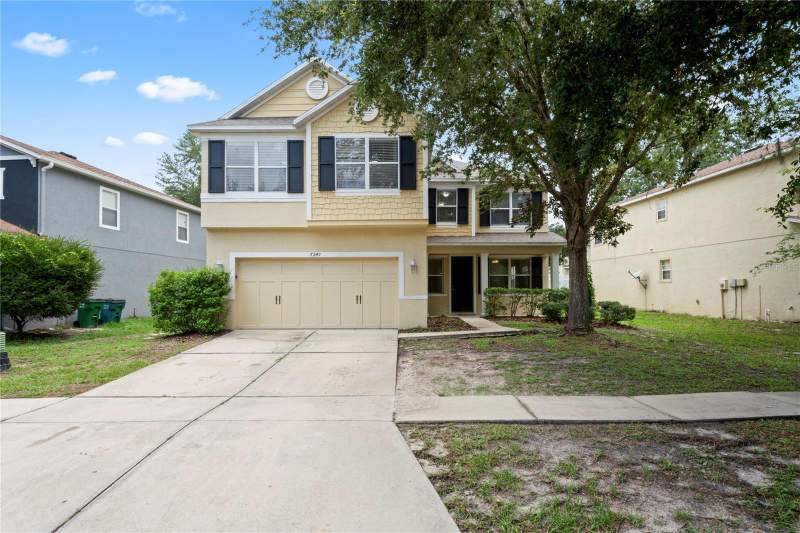 Pending · 440 days
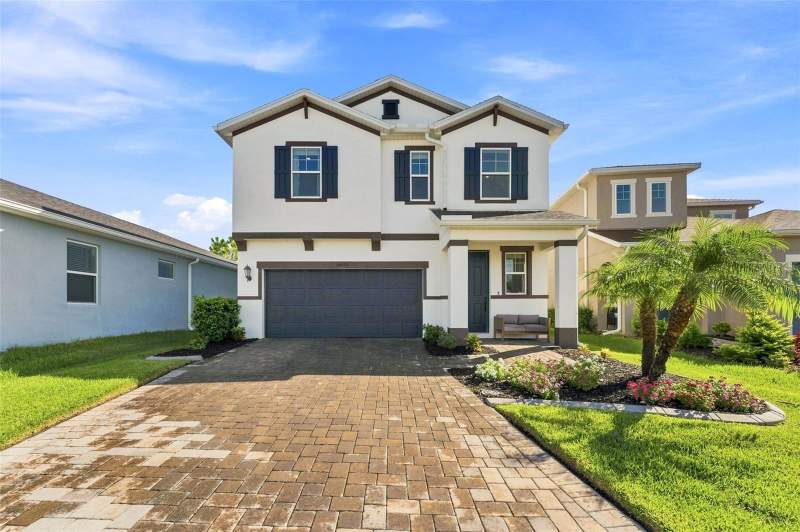 Pending · 12 days
Active and pending Watergrass listings as of 2026-10-23, priced high to low. Based on Stellar MLS data distributed by MLS GRID for the period 2014 through 2026. Tap any home to ask about it.
Watergrass right now
🟡 Balanced market. 4.7 months of supply and 39% of the inventory already under contract put buyers and sellers on roughly even footing.Why it matters: months of supply is how long today's inventory would last at today's sales pace; under-contract share is the portion of homes for sale that already have a buyer.Momentum Research analysis of Stellar MLS records, as of September 20, 2026. Confidence: Very High (18 active and pending listings, 12 closed sales in 12 months).
🟡 Off the recent peak. The trailing-12-month median ($385K) is down 6.1% from the prior 12 months ($410K). With about 8 sales a year, a single closing can swing this number, so read the level and the decade, not one year's move.Momentum Research, record-level Stellar MLS closed sales, 12-month windows ending September 20. Confidence: Medium (12 and 9 sales in the two windows).
Jump to: Price history & scorecard · Homes for sale · Schools · FAQ
· Updated October 20, 2026 · Live data: Stellar MLS, refreshed twice daily · MLS facts carry their source; interpretation lines are Momentum Research · Data sources & freshness
The 60-Second Overview
Watergrass market snapshot (as of September 20, 2026): the median sale price is about $385K ($196 per sq ft over the trailing 12 months of closed sales), a median 33 days on market for closed sales, and 4.7 months of supply, a balanced market. The trailing-12-month median is down 6% from the prior 12 months, computed from record-level Stellar MLS closed sales (12 closings in the current window).
In ZIP 33545 (Wesley Chapel), 1,908 homes closed in the last 12 months at a median of $449K ($194/sq ft), down 3.1% year over year, with a median 47 days on market. Right now 235 active and 110 pending listings put supply at about 4.0 months - a balanced market. See the live ZIP 33545 housing market and the Pasco County market.
County records show 16 qualified sales in Watergrass across 2024 - 2025 (9 in 2024, 7 in 2025), median $455,000 - the last recorded sale per parcel on the Florida DOR 2025 assessment roll, independent of the MLS.
Flood zones in Watergrass: of 17 listing addresses checked against the FEMA National Flood Hazard Layer, 100% sit outside the FEMA Special Flood Hazard Area (Zone X). Individual parcels vary - verify any specific address at msc.fema.gov. See flood zones by neighborhood in Wesley Chapel.
Watergrass is a community of 397 homes in Wesley Chapel, Pasco County, built between 2006 and 2023 (median 2014), with a median living area of about 2,471 square feet. 78% of parcels are homesteaded, the owner-occupancy proxy in the Florida DOR assessment roll (2025 roll, public records).
The setting & the homes.
Aerial and on-site photos of Watergrass. Swipe to explore the community.
Swipe or use the arrows → tap any photo to enlarge
WatergrassWatergrassWatergrassWatergrassWatergrassWatergrassWatergrassWatergrassPhotos from Stellar MLS listings in Watergrass; content deemed reliable but not guaranteed.
Price History: What Homes Here Have Actually Sold For
Median sale price over the trailing 12 months ending September 20 of each year, from record-level Stellar MLS closed sales. Same methodology as every appreciation figure on this page: the 2026 point ($385K) IS the median in the snapshot above, and the move from 2025 ($410K) IS the -6.1% one-year change.
Windows contain 0 to 18 sales each (12 in the current window); every figure carries its sample size, and thin markets swing on single closings. Based on Stellar MLS data distributed by MLS GRID for the period 2014 through 2026. Deemed reliable but not guaranteed.
Watergrass Market Scorecard
Watergrass is currently a buyer's market. About 9.0 months of supply, a median asking price of $549,000, and homes go under contract in about 101 days.
Typical home value in the 33545 ZIP is $389,568, about 27.6% below the Florida norm (Zillow Home Value Index).
Go deeper: ZIP market scorecard · county scorecard · true cost calculator · affordability calculator.
Live data: realMLS, refreshed twice daily. Typical value: Zillow Research. Market metrics only; these describe homes for sale and recent sales, not residents.
Watergrass on the map.
Every active, pending, and recently sold home, plotted. Toggle the layers and tap a home for the details.
Listing locations from Stellar MLS. Map data © OpenStreetMap contributors.
Life at Watergrass
- Playground · reported on 22 of 22 listings
- Pool · reported on 22 of 22 listings
- Tennis Court(s) · reported on 22 of 22 listings
- Clubhouse · reported on 21 of 22 listings
- Fitness Center · reported on 21 of 22 listings
- Deed Restrictions · reported on 20 of 22 listings
- Dog Park · reported on 18 of 22 listings
- Park · reported on 18 of 22 listings
- Basketball Court · reported on 16 of 22 listings
- Irrigation-Reclaimed Water · reported on 16 of 22 listings
- Gated Community - No Guard · reported on 15 of 22 listings
- Fence Restrictions · reported on 11 of 22 listings
Community amenities as reported across Stellar MLS listings in this community; deemed reliable but not guaranteed. Verify current amenities and access with the HOA.
Schools
- Pasco County Public Schools
- Verify the zoned schools by address
- Magnet and choice options may be available
- Watergrass Elementary-PO · Elementary
- Thomas E Weightman Middle-PO · Middle
- Wesley Chapel High-PO · High
Zoned schools reflect the assignments reported on recent Watergrass listings and can change; always confirm with Pasco County Public Schools for a specific address.
Buying with schools in mind? We can confirm the exact zoned schools for any Watergrass address.
Shop the zone: Homes zoned for Wesley Chapel High-Po High School · Homes zoned for Wiregrass Ranch High-Po High School
Recent Developments in Watergrass
Development, infrastructure, retail, and school activity affecting Watergrass, tracked by our team and summarized from public reporting and official sources, with links to the original coverage. Last updated October 2026.
- August 2026Development
Proposal would convert Port Richey hotel into 122 apartments
HCM Hospitality seeks a rezoning to convert the 156-room La Vista Inn at 11736 U.S. 19 on 4.54 acres into a 122-unit apartment community. The Pasco County Planning Commission unanimously recommended approval with conditions, and the item goes next to the County Commission.
What it may mean for the marketAdaptive reuse would add rental housing along the U.S. 19 corridor without new traffic beyond existing entitlements. The project is about 28 miles west of Watergrass, elsewhere in Pasco County.
Source: Tampa Bay Business and Wealth - July 2026Development
Pomelo Square mixed-use community advances in Wesley Chapel
Ryan Cos. and PulteGroup are advancing Pomelo Square, a mixed use development at the northeast corner of Old Pasco Road and Overpass Road in Wesley Chapel. Plans call for 415 residential units made up of 325 apartments and 90 townhomes, about 42,000 square feet of retail, and a hotel pad. Completion is targeted for the first quarter of 2028.
What it may mean for the marketAdds a mixed use community of apartments and townhomes with retail space and a hotel pad, expanding housing and commercial supply in a growing Pasco County corridor. The project is about 3 miles west of Watergrass, elsewhere in Pasco County.
Source: Florida YIMBY - April 2026Development
New mixed-use development planned on State Road 52 in central Pasco
A mixed-use development planned on State Road 52 in central Pasco County, next to Pilot Country Airport, would add 108 single-family homes, about 175,000 square feet of commercial and retail space, and a 120-room hotel, with completion expected around 2030.
What it may mean for the marketA new mixed-use community adds housing, retail, and lodging along the State Road 52 corridor in central Pasco, the kind of growth that can shape demand and pricing for nearby communities. The project is about 12 miles west of Watergrass, elsewhere in Pasco County.
Source: Tampa Bay Times - January 2026Development
Moffitt Cancer Center opens flagship outpatient center at its new Speros FL campus in Pasco
Moffitt Cancer Center held the grand opening of its flagship outpatient cancer center in January 2026 at Speros FL, its large new campus on State Road 52 in Pasco County. The campus is planned as a long-term life sciences and medical hub expected to bring substantial employment to the area.
What it may mean for the marketA large new medical and life sciences campus is a long-term employment anchor for central Pasco, a structural demand driver for housing in the surrounding area. The project is about 16 miles west of Watergrass, elsewhere in Pasco County.
Source: WUSF - January 2026Development
Flagship breaks ground on 46,000-square-foot Wiregrass Ranch Medical Pavilion in Wesley Chapel
Flagship Healthcare Properties broke ground in January 2026 on a 46,000-square-foot medical pavilion at Wiregrass Ranch in Wesley Chapel, adding outpatient medical space to the growing State Road 56 corridor.
What it may mean for the marketAdded outpatient medical space along the State Road 56 corridor deepens healthcare access and professional employment in Wesley Chapel, an amenity factor that can support nearby housing demand. The site is about 7 miles southwest of Watergrass.
Source: HCO News
Summaries reflect public reporting and official sources linked above as of the dates shown. Project details, timelines, and approvals can change. Commentary on potential market effects is general observation, not investment advice or a prediction for any specific property. For the freshest items across the whole region, see This Week in Northeast Florida.
The Watergrass buying strategy.
If we were buying in Watergrass today, this is the order of operations we would run for our clients.
Underwrite the condition first. Price the roof, HVAC, and systems honestly before judging any list price; condition swings value here more than square footage alone.
Match the home to real comps. Recent sales of similar condition and lot, not the asking price, tell you what a home is worth.
Move deliberately, not desperately. Neither side has a decisive edge, so a well-prepared, fairly-priced offer wins without overpaying.
Line up financing and inspection early. A pre-approval and an inspection plan let you act fast and negotiate from evidence.
Keep an agent in your corner. The listing agent works for the seller; we represent you and prepare a hand-built valuation before any offer in Watergrass.
A closer look at the Watergrass market
At a median of $196 per square foot, Watergrass prices sit in a fairly defined band, so condition and updates — more than the list price — tend to separate one home from the next.
Inventory runs at 4.7 months of supply, a balanced market and the trailing-12-month median down 6% year over year. Homes that do trade take a median 33 days on market, useful leverage on any listing that has lingered.
The housing stock is 397 homes built between 2006 and 2023, and 78% of parcels are homesteaded — the owner-occupancy proxy in the Florida DOR assessment roll.
The location and the amenities are priced into every listing in Watergrass. The deal is won or lost on condition, the comps, and the renovation math.
Momentum Buy Score.
Our proprietary 0 to 10 read across the factors that decide how a home in Watergrass buys, holds, and resells. Momentum Research; not an appraisal.
Momentum Intelligence Scores are our proprietary, qualitative assessment on a 0 to 10 scale, built from the record-level market data on this page. They are a framework for comparing communities, not a guarantee of future value and not advice on a specific home; unlike an automated value estimate they do not price your home, they grade the community on evidence you can inspect. Composite is the plain average of the 4 factors (6.4). Basis: Recent Direction -6.1% year-over-year; Liquidity & Demand 4.7 months of supply; Owner Commitment 78% owner-occupied; Pricing Power 97.1% sale-to-list. Refreshed with each data update.
Tools for a Watergrass buy.
Free calculators to pressure-test the real cost before you tour.
Selling here is won on condition and pricing to real comps, not an automated estimate. The right number comes from closed Watergrass sales matched to your home.
Price it to the comps and condition, not an automated estimate.
If you are thinking about selling in Watergrass, the right list price comes from recent comparable sales matched to your home's condition and location, not an automated estimate.
What is your Watergrass home worth?
Get a no-obligation home value based on real comparable sales in Watergrass, not an automated guess. Tell us about your home and we will personally prepare your numbers and a pricing strategy. No obligation, no spam.
See all homes for sale in Wesley Chapel →
Recently off market in Watergrass
Homes in Watergrass that recently left the market. Each address opens its public-record profile: county-recorded value, property taxes, the last recorded sale, community sales history, and what is for sale nearby now. 9 on record.
- 31628 Spoonflower Circle · off market
- 32613 Summerglade Drive · off market
- 33487 Azalea Ridge Drive · off market
- 34079 White Fountain Court · off market
- 34212 Evergreen Hill · off market
- 7035 Peregrina Loop · off market
- 7046 Penta Place · off market
- 7101 Hatpin Loop · off market
| Location | Wesley Chapel, Pasco County, FL · ZIP 33545 |
|---|---|
| Homes in the community | 397 (FL DOR 2025 assessment roll) |
| Years built | 2006–2023 (median 2014) |
| Typical living area | 2,471 sq ft (median) |
| Home types (current listings and sales) | single-family 100% |
| Amenities listed by sellers | Pool, Playground, Fitness Center, Clubhouse, Park, Tennis Court(s) |
| Sale prices, last 12 months | $385,000 median across 12 closed sales · $196 per sq ft · -6.1% vs the prior 12 months |
| Days on market (closed sales) | 32 median |
| For sale right now | 11 active, 7 pending · median asking $499,999 · 4.7 months of supply |
| Owner-occupied (homestead) share | 78% |
Data as of September 20, 2026. Based on Stellar MLS data distributed by MLS GRID for the period 2014 through 2026; housing-stock figures from Florida Department of Revenue public records. Market figures describe homes, not residents. Cite as: Momentum Realty, “Watergrass key facts,” movewithmomentum.com/neighborhoods/watergrass-wesley-chapel, data as of September 20, 2026.
Housing distress & ownership in Watergrass, Wesley Chapel
Who owns here, how much is not owner-occupied, and how much for-sale inventory is under distress.
Source: Momentum Realty Research. Ownership & parcels from the FL DOR 2025 tax roll; distress from MLS active-listing status/remarks; price from MLS closed sales. Based on Stellar MLS data distributed by MLS GRID for the period October 2026 through October 2026. Deemed reliable but not guaranteed.
Every Home for Sale in Watergrass Wesley Chapel Right Now (13)
All 13 active and pending Watergrass Wesley Chapel listings with a detail page, newest first, refreshed twice a day from the MLS.
- 7635 Ashcroft Drive · $335,000 · 4 bd / 2 ba · listed Sep 19, 2026 · listed by Future Home Realty Inc
- 34117 White Fountain Court · $500,000 · 4 bd / 3 ba · pending · listed Sep 11, 2026 · listed by Smith & Associates Real Estate
- 34103 White Fountain Court · $370,000 · 3 bd / 2.5 ba · pending · listed Sep 10, 2026 · listed by Offerpad Brokerage Fl, Llc
- 7335 Bridgeview Drive · $549,000 · 5 bd / 3 ba · listed Sep 9, 2026 · listed by Realty One Group Innovation
- 32306 Garden Alcove Loop · $749,900 · 5 bd / 3 ba · listed Aug 27, 2026 · listed by Top Florida Homes
- 34014 Astoria Circle · $414,900 · 3 bd / 2 ba · listed Aug 4, 2026 · listed by H. Patel Real Estate Llc
- 7306 Bridgeview Drive · $450,000 · 5 bd / 3 ba · listed Aug 1, 2026 · listed by Dalton Wade Inc
- 7360 Bridgeview · $460,000 · 4 bd / 3 ba · listed Jul 23, 2026 · listed by Smith & Associates Real Estate
- 7121 Hatpin Loop · $710,000 · 4 bd / 3 ba · listed Jul 22, 2026 · listed by Coldwell Banker Realty
- 7109 Bay Laurel Court · $689,000 · 5 bd / 3.5 ba · listed Jul 22, 2026 · listed by Smith & Associates Real Estate
- 6946 Talamore Drive · $725,000 · 4 bd / 4.5 ba · listed Jul 22, 2026 · listed by Smith & Associates Real Estate
- 33975 Astoria Circle · $515,999 · 4 bd / 3.5 ba · pending · listed Jul 22, 2026 · listed by Engel & Volkers Madeira Beach
- 7249 Bridgeview Drive · $385,000 · 5 bd / 3 ba · pending · listed Jul 22, 2026 · listed by Exp Realty Llc
Recently sold in Watergrass Wesley Chapel
- 31628 Spoonflower Circle · sold $315,000
- 34079 White Fountain Court · sold $415,000
- 7101 Hatpin Loop · sold $730,000
- 34212 Evergreen Hill · sold $410,000
- 32613 Summerglade Drive · sold $610,000
- 34025 Astoria Circle #34025A · sold $580,000
- 34026 Astoria Circle · sold $615,000
- 33773 Astoria Circle · sold $515,000
- 7447 Lancaster Loop · sold $635,000
Closed sales from the MLS; each page shows the sold price, taxes and value history.
More Wesley Chapel home searches
- All homes for sale in Wesley Chapel, FL
- Homes for sale in Pasco County, FL
- Wesley Chapel pool homes for sale
- Wesley Chapel waterfront homes for sale
- Gated communities in Wesley Chapel
- Wesley Chapel golf course homes
- Homes under $300K in Wesley Chapel
- Homes from $300K to $500K in Wesley Chapel
- 4-bedroom homes for sale in Wesley Chapel
- Wesley Chapel home values: what is my house worth?
Wesley Chapel guides & data
- Market data
- Cost of living
- Best neighborhoods (ranked by data)
- Best neighborhoods
- Flood zones
- Property taxes (Pasco County)
- Homestead exemption (Pasco County)
- Home insurance cost
Florida buyer guides
- Florida home insurance rates by county
- Florida property tax by county
- Florida property tax calculator
- What flood zone X means
- The 4-point inspection, explained
- Florida flood insurance calculator
Real estate agent in Wesley Chapel? Join Momentum in Wesley Chapel: 100% commission, one $12K cap.
What it really costs to own in Watergrass
The parts of the monthly number a mortgage calculator leaves out, from the tax roll, the MLS, Citizens and FEMA. Property facts only.
| CDD / special assessments | Listings here report a median of $2,432/yr in CDD or special-district assessments on the tax bill (23 listings, MLS, 2026-10-20). 100% of the 23 listings that report the field show one. The amount is per lot and set by the district: confirm it on the parcel's TRIM notice. |
|---|---|
| HOA dues | MLS listings here mostly enter dues as billed annually, but the median entry is only $166/year across 22 listings (2026-10-20), which usually means a quarterly or monthly amount was entered as annual. Ask the association for the current dues. |
| Home and flood insurance | The average Citizens Property Insurance premium in Pasco County is $1,659/yr (8,233 policies, Citizens detail by county, April 2026); private-market quotes depend on roof age, wind mitigation and construction. Flood: of 17 listing addresses checked against the FEMA flood map, 100% sit outside the high-risk zone. Statewide, a Zone X flood policy runs about $500-$700/yr and a high-risk zone $1,200-$2,500/yr (FEMA Risk Rating 2.0 averages, not quotes). |
| Roof and age | Median build year 2016 across 24 listings. An original roof here is about 10 years old: still inside the 15-year window Florida carriers use, but ask for the roof's permit date before you bind coverage. |
Email me new listings in Watergrass
One e-mail a day, only when a home lists here, with price, beds, baths and a link to every listing. Straight from the MLS feed; no account needed.
Ask an agent about Watergrass
Have a question about the homes, fees, rules or commute here? A Momentum agent who works Watergrass will answer, and the answer is published on this page for the next buyer.
Frequently Asked Questions
What is the median home price in Watergrass?
How long do homes in Watergrass take to sell?
Is Watergrass a buyer's or seller's market right now?
How many homes are in Watergrass?
What share of Watergrass is owner-occupied?
When were the homes in Watergrass built?
Who is the best real estate agent for Watergrass?
How do I find a top Wesley Chapel real estate agent who knows Watergrass?
Can Momentum Realty connect me with an agent for Watergrass?
Where is Watergrass, and what county is it in?
Is Watergrass in a flood zone?
Is Watergrass a good place to live?
Data sources & freshness
| Live listings | Stellar MLS, refreshed twice daily (last: October 23, 2026) |
| Community market stats | Stellar MLS closed sales, 12-month windows ending September 20, 2026 |
| Housing stock & ownership | Florida DOR assessment roll (street-list match (7 streets, ZIP 33545)) |
| Under-contract shares | Stellar MLS records, as of 2026-09-20 |
| Historical depth | Closed-sale records back to 2014 (98 transactions analyzed) |
Verify the primary sources yourself: Florida DOR · U.S. Census · FEMA flood maps · Citizens Property Insurance.
Momentum Research figures are our own analysis of Stellar MLS records; MLS data is deemed reliable but not guaranteed. Methodology: how Momentum market scores are computed. Market metrics describe homes for sale and recent sales, not residents.
Own a home here?
You just read the data. Now see what your home is worth.
The numbers on this page move markets in the aggregate. The number that matters to you is what a buyer pays for your address. Momentum sells for 1.25% above the Stellar MLS member average and 8 days faster, and we’ll price yours against live local comps.
Looking to buy here? Search homes for sale →
What’s your home worth in your area?
A real valuation with real comps from a local listing agent, not an instant algorithm. Response within one business day.
See how Watergrass fits the bigger picture — live prices, inventory, and Momentum Scores:
Nearby Communities
Explore more neighborhoods near Watergrass with Momentum Realty’s local guides.
More on Watergrass
- Home values · What homes in Watergrass actually sell for