

Cobblefield
Homes for Sale in Gainesville, FL
True comps, carrying-cost math, and listings before the portals.
Homes For Sale Right Now in Cobblefield
Live MLS inventory for Cobblefield. Every active listing, what is under contract right now, and the last 12 months of closed sales, refreshed twice a day. Closed comps beat an algorithm's guess every time.
 Active · 91 daysTop listing
 Active · 168 days
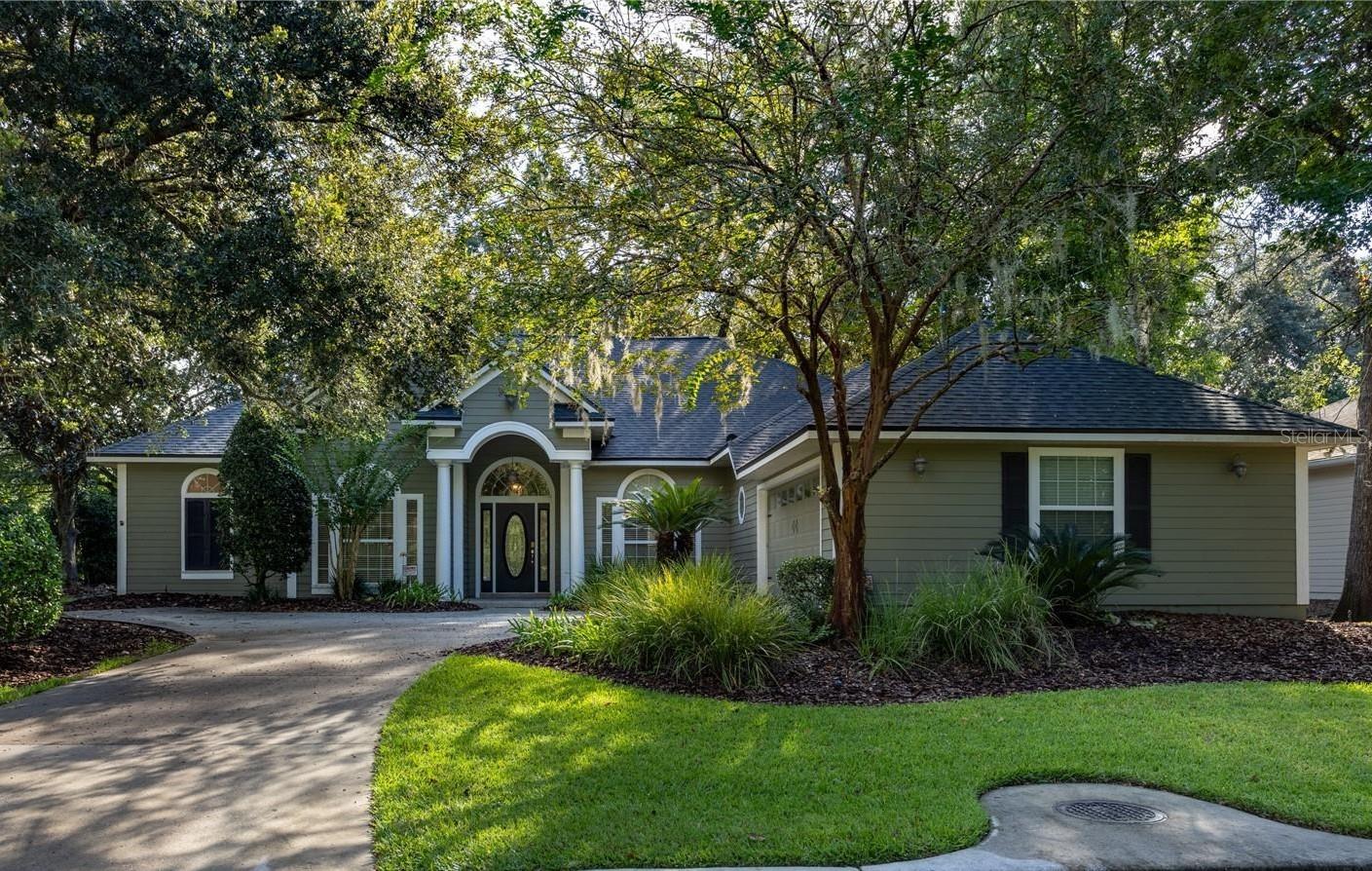 Active · 15 days
 Active · 24 days
Active and pending Cobblefield listings as of 2026-10-23, priced high to low. Based on Stellar MLS data distributed by MLS GRID for the period 2011 through 2026. Tap any home to ask about it.

Cobblefield is a small, tightly held pocket of Gainesville — 211 homes built out between 2002 and 2007, with a median year built of 2004. At 82% homestead share, most owners here are in the home long-term rather than cycling through as investors or renters, which is exactly why the resale count stays thin.
Right now there are only 2 active listings against that base, and months of supply sits at 1.4 — a seller-leaning read by any measure. For a buyer, that means less room to negotiate and a shorter runway to decide. For a seller, it means a well-presented listing in this community is competing against almost nothing else on the market.
Figures in this note are as of July 22, 2026. The live market numbers elsewhere on this page update nightly and are newer.
Cobblefield right now
🟡 Balanced market. 1.5 months of supply and 33% of the inventory already under contract put buyers and sellers on roughly even footing.Why it matters: months of supply is how long today's inventory would last at today's sales pace; under-contract share is the portion of homes for sale that already have a buyer.Momentum Research analysis of Stellar MLS records, as of August 2, 2026. Confidence: High (3 active and pending listings, 13 closed sales in 12 months).
🔴 Off the recent peak. The trailing-12-month median ($570K) is down 9.9% from the prior 12 months ($632K). With about 5 sales a year, a single closing can swing this number, so read the level and the decade, not one year's move.Momentum Research, record-level Stellar MLS closed sales, 12-month windows ending August 2. Confidence: Medium (13 and 8 sales in the two windows).
What's unique here: the median sale price is about 2x the typical Alachua County sale ($570K vs $263K, trailing 12 months, Stellar MLS records).
Jump to: Price history & scorecard · Homes for sale · Schools · FAQ
· Updated August 2, 2026 · Live data: Stellar MLS, refreshed twice daily · MLS facts carry their source; interpretation lines are Momentum Research · Data sources & freshness
The 60-Second Overview
Cobblefield market snapshot (as of August 2, 2026): the median sale price is about $570K ($209 per sq ft over the trailing 12 months of closed sales), a median 15 days on market for closed sales, and 1.5 months of supply, a balanced market. The trailing-12-month median is down 10% from the prior 12 months, computed from record-level Stellar MLS closed sales (13 closings in the current window).
Cobblefield is a community of 211 homes in Gainesville, Alachua County, built between 2002 and 2007 (median 2004), with a median living area of about 2,704 square feet. 82% of parcels are homesteaded, the owner-occupancy proxy in the Florida DOR assessment roll (2025 roll, public records).
Built out in a single, tight construction window (2002–2007), Cobblefield reads as a consistent, established community rather than a mixed-vintage subdivision — homes here share a similar age and, at a median of 2,704 living square feet, a similar scale.
The setting & the homes.
Aerial and on-site photos of Cobblefield. Swipe to explore the community.
Swipe or use the arrows → tap any photo to enlarge
CobblefieldCobblefieldCobblefieldCobblefield Cobblefield
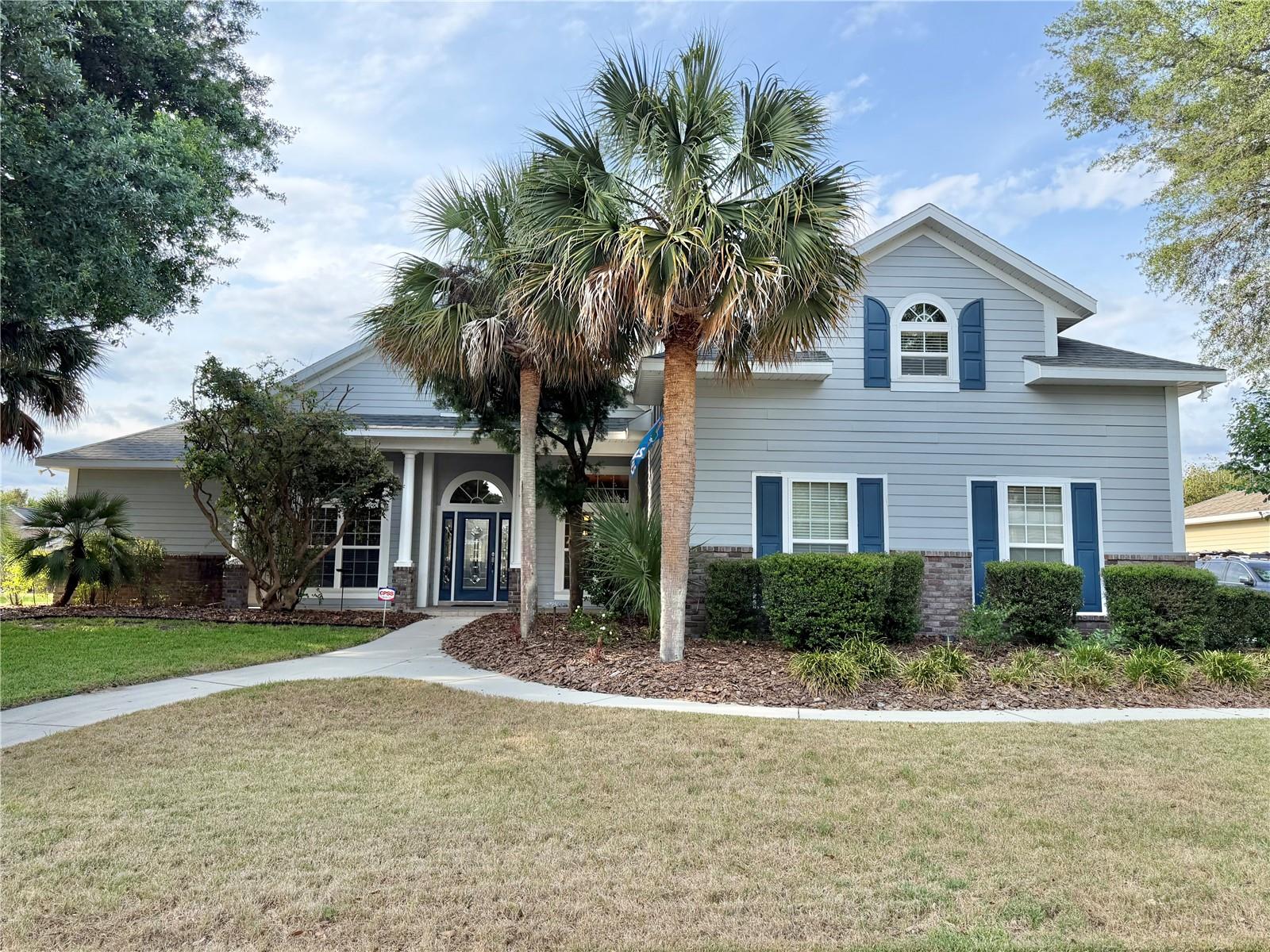 Cobblefield
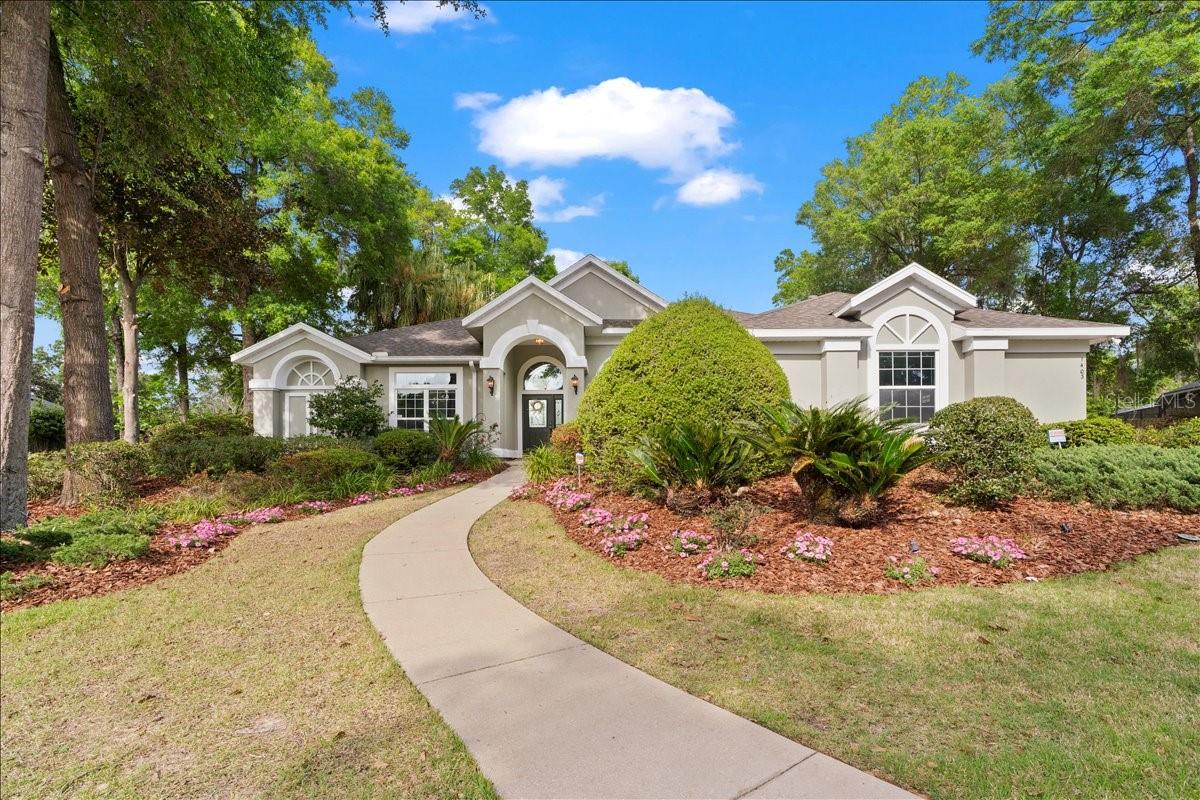 Cobblefield
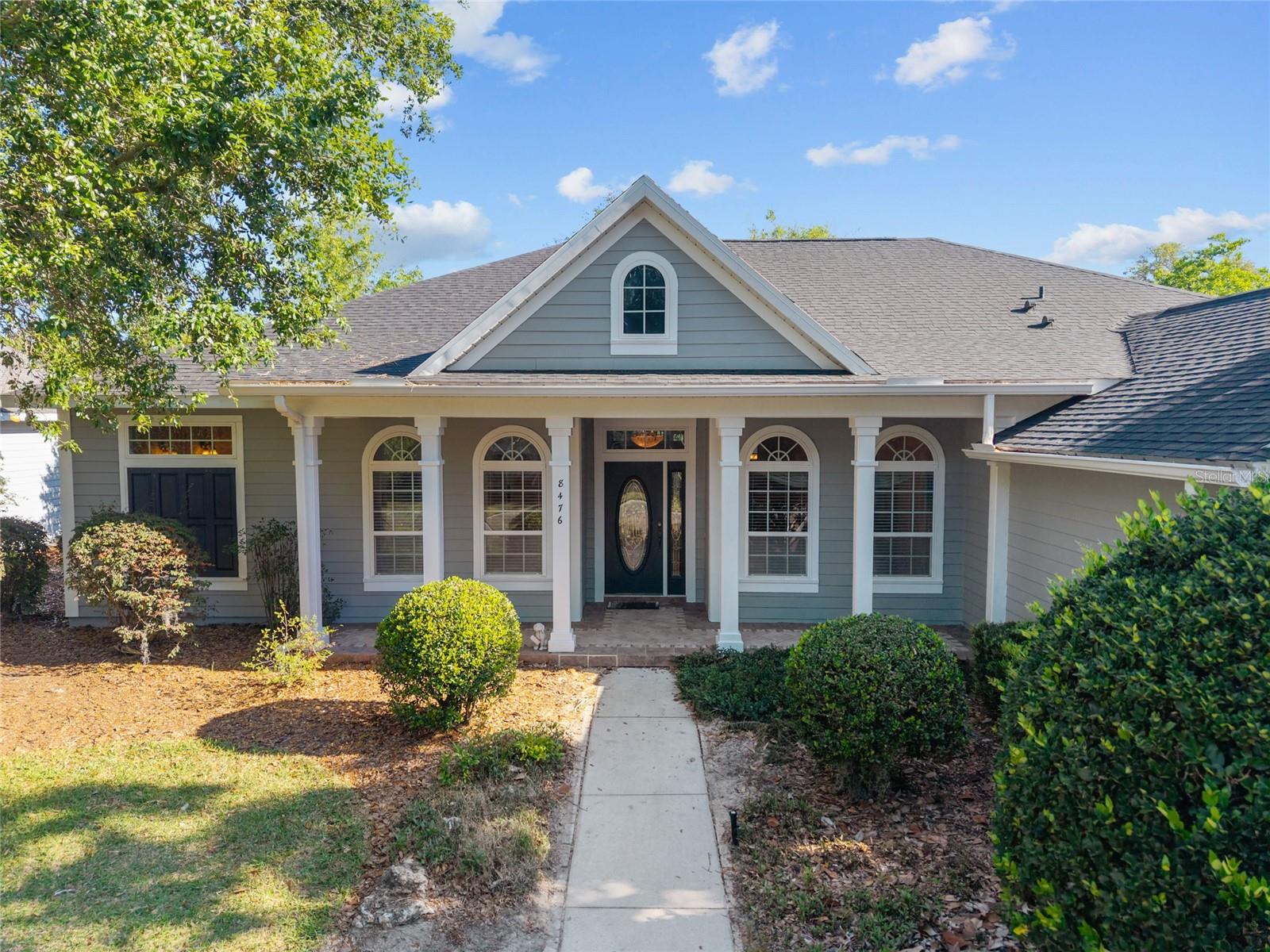 Cobblefield
Photos from Stellar MLS listings in Cobblefield; content deemed reliable but not guaranteed.
Who Cobblefield is best for.
Best for
- Buyers who want a larger home (median 2,704 sq ft) in a single, consistent-age community rather than a mixed-vintage subdivision.
- Buyers comfortable moving decisively when a rare listing appears, given the current 1.4-month supply.
- Long-term buyers who value the deed-restricted, amenity-supported setting (pool, clubhouse, park) over a large resale pool to shop from.
Probably not for
- Buyers who want to compare multiple active listings side by side before deciding — Cobblefield rarely offers that.
- Investors seeking a high-turnover rental market, given the 82% homestead share and limited resale activity.
- Buyers on a tight timeline who can't wait for the right home to surface in a market this thin.
Price History: What Homes Here Have Actually Sold For
Median sale price over the trailing 12 months ending August 2 of each year, from record-level Stellar MLS closed sales. Same methodology as every appreciation figure on this page: the 2026 point ($570K) IS the median in the snapshot above, and the move from 2025 ($632K) IS the -9.9% one-year change.
Windows contain 0 to 13 sales each (13 in the current window); every figure carries its sample size, and thin markets swing on single closings. Based on Stellar MLS data distributed by MLS GRID for the period 2011 through 2026. Deemed reliable but not guaranteed.
23% of homes for sale in ZIP 32607 are already under contract (under contract ÷ under contract + active listings) — a read on how much of the available inventory buyers have already claimed. Source: MLS data (2026-08-01).
Cobblefield Market Scorecard
Cobblefield is currently a balanced market. About 1.5 months of supply, a median asking price of $949,950, and homes go under contract in about 91 days.
Go deeper: ZIP market scorecard · county scorecard · true cost calculator · affordability calculator.
Live data: Stellar MLS, refreshed twice daily. Market metrics only; these describe homes for sale and recent sales, not residents.
Housing distress & ownership in COBBLEFIELD, GAINESVILLE
Who owns here, how much is not owner-occupied, and how much for-sale inventory is under distress.
Source: Momentum Realty Research. Ownership & parcels from the FL DOR 2025 tax roll; distress from MLS active-listing status/remarks; price from MLS closed sales. Based on Stellar MLS data distributed by MLS GRID for the period October 2026 through October 2026. Deemed reliable but not guaranteed.
Cobblefield on the map.
Every active, pending, and recently sold home, plotted. Toggle the layers and tap a home for the details.
Listing locations from Stellar MLS. Map data © OpenStreetMap contributors.
Life at Cobblefield
- Pool · reported on 9 of 9 listings
- Playground · reported on 8 of 9 listings
- Clubhouse · reported on 7 of 9 listings
- Deed Restrictions · reported on 5 of 9 listings
- Irrigation-Reclaimed Water · reported on 5 of 9 listings
- Community Mailbox · reported on 3 of 9 listings
- Security Lights · reported on 1 of 9 listings
- Park · reported on 1 of 9 listings
- Fence Restrictions · reported on 1 of 9 listings
Community amenities as reported across Stellar MLS listings in this community; deemed reliable but not guaranteed. Verify current amenities and access with the HOA.
Schools
- Alachua County Public Schools
- Verify the zoned schools by address
- Magnet and choice options may be available
- Lawton M. Chiles Elementary School-AL · Elementary
- Kanapaha Middle School-AL · Middle
- F. W. Buchholz High School-AL · High
Zoned schools reflect the assignments reported on recent Cobblefield listings and can change; always confirm with Alachua County Public Schools for a specific address.
Buying with schools in mind? We can confirm the exact zoned schools for any Cobblefield address.
Recent Developments in Cobblefield
Development, infrastructure, retail, and school activity affecting Cobblefield, tracked by our team and summarized from public reporting and official sources, with links to the original coverage. Last updated October 2026.
- October 2026Infrastructure
EPA plans mile-long underground wall at Koppers Superfund site in Gainesville
The EPA presented a plan to the Gainesville City Commission for a mile-long, 65-foot-deep underground wall at the 90-acre Koppers site at 200 NW 23rd Ave. Construction could start this fall and run to mid-2027, and an information session is set for Oct. 21. The site will be cleaned to commercial and industrial standards only.
What it may mean for the marketThe cleanup sets long-term land use limits on a large north Gainesville parcel and brings construction activity there through 2027. The project is about 7 miles east of Cobblefield, elsewhere in Alachua County.
Source: Mainstreet Daily News - September 2026Market
Gainesville Plan Board recommends denying land use change for Cottages at Depot Park
The City Plan Board voted 4-3 to recommend denying a new land use and Urban 6 zoning for about 2 acres at the Cottages at Depot Park, which has about 37 existing units. The zoning would have allowed a drive-thru by right. The City Commission makes the final decision, and current zoning already allows redevelopment.
What it may mean for the marketThe outcome affects whether a small near-downtown parcel can be redeveloped at higher density with commercial uses. The project is about 7 miles east of Cobblefield, elsewhere in Alachua County.
Source: Mainstreet Daily News - September 2026Infrastructure
Alachua County budgets $106 million for roads and expands pothole repair
County Manager Michele Lieberman said the 2026-27 budget includes $106 million for roads across a 700-mile network. The county now runs four pothole crews six days a week, added milling and resurfacing to its Watson Construction contract, and is adding a $500,000 amendment for more repairs.
What it may mean for the marketAdded road funding and resurfacing should improve driving conditions on county roads and affect commute reliability. The site is about 7 miles east of Cobblefield.
Source: Mainstreet Daily News - April 2026Development
Gainesville board approves 248-unit apartment project in northwest Gainesville
The Gainesville Development Review Board approved a 248-unit multifamily project in northwest Gainesville, planned as four four-story buildings with a clubhouse and amenities, with construction expected to run about 22 months.
What it may mean for the marketA new apartment community of this size adds rental housing to northwest Gainesville, a factor that can influence demand and pricing for nearby communities. The site is about 4 miles northeast of Cobblefield.
Source: WCJB - December 2025Retail & Dining
Amrit Palace Indian restaurant to open on Southwest 34th Street in Gainesville
Amrit Palace, an Indian restaurant expanding from Ocala, is planned to open at 3105 Southwest 34th Street in Gainesville, adding a dining option along the 34th Street corridor near Archer Road.
What it may mean for the marketA new restaurant on the 34th Street corridor adds to the dining and retail mix that shapes daily convenience for nearby Gainesville communities. The site is about 4 miles east of Cobblefield.
Source: 352today - May 2025Development
Archer Place luxury condo and retail project breaks ground at Archer Road and 34th Street in Gainesville
Archer Place, a mixed-use development at the corner of Archer Road and Southwest 34th Street near Butler Plaza in Gainesville, broke ground with plans for 92 residential units including penthouses and workforce apartments, ground-floor retail, and a roughly 6,000 square foot restaurant, with completion targeted for late 2026.
What it may mean for the marketA new mixed-use condo and retail project on the Archer Road corridor adds housing and commercial space near Butler Plaza, the kind of activity that can shape demand for nearby Gainesville communities. The site is about 4 miles east of Cobblefield.
Source: Mainstreet Daily News
Summaries reflect public reporting and official sources linked above as of the dates shown. Project details, timelines, and approvals can change. Commentary on potential market effects is general observation, not investment advice or a prediction for any specific property. For the freshest items across the whole region, see This Week in Northeast Florida.
The Cobblefield buying strategy.
If we were buying in Cobblefield today, this is the order of operations we would run for our clients.
Underwrite the condition first. Price the roof, HVAC, and systems honestly before judging any list price; condition swings value here more than square footage alone.
Match the home to real comps. Recent sales of similar condition and lot, not the asking price, tell you what a home is worth.
Move deliberately, not desperately. Neither side has a decisive edge, so a well-prepared, fairly-priced offer wins without overpaying.
Line up financing and inspection early. A pre-approval and an inspection plan let you act fast and negotiate from evidence.
Keep an agent in your corner. The listing agent works for the seller; we represent you and prepare a hand-built valuation before any offer in Cobblefield.
A thin resale market in a consistent-vintage community
With only 211 homes in the community and just 2 currently active on the MLS, Cobblefield doesn't generate a deep pool of comparables at any given time. That scarcity, paired with a 1.4-month supply, is what defines the seller-leaning posture here — it's not about demand outpacing a large inventory, it's about there simply being very little inventory to begin with.
The high homestead share (82%) reinforces that picture: most homes are owner-occupied rather than held as rentals or second homes, which tends to mean slower turnover and, when a home does list, more scrutiny from buyers who know options are limited. Amenities reported across listings — pool, clubhouse, playground, park, and deed restrictions with fence guidelines — point to a community built with shared common areas and some architectural consistency in mind, though buyers should confirm current access and rules directly with the HOA.
The location and the amenities are priced into every listing in Cobblefield. The deal is won or lost on condition, the comps, and the renovation math.
Momentum Buy Score.
Our proprietary 0 to 10 read across the factors that decide how a home in Cobblefield buys, holds, and resells. Momentum Research; not an appraisal.
Momentum Intelligence Scores are our proprietary, qualitative assessment on a 0 to 10 scale, built from the record-level market data on this page. They are a framework for comparing communities, not a guarantee of future value and not advice on a specific home; unlike an automated value estimate they do not price your home, they grade the community on evidence you can inspect. Composite is the plain average of the 4 factors (7.3). Basis: Recent Direction -9.9% year-over-year; Liquidity & Demand 1.5 months of supply; Owner Commitment 82% owner-occupied; Pricing Power 98.2% sale-to-list. Refreshed with each data update.
Why work with Momentum here
In a community where active listings can be counted on one hand, timing and preparation matter more than usual — we track Cobblefield's Stellar MLS activity closely so buyers can move quickly when something surfaces and sellers can position a listing correctly against a market with almost no direct competition.
Cobblefield in 15 seconds.
Tools for a Cobblefield buy.
Free calculators to pressure-test the real cost before you tour.
Selling here is won on condition and pricing to real comps, not an automated estimate. The right number comes from closed Cobblefield sales matched to your home.
Price it to the comps and condition, not an automated estimate.
If you are thinking about selling in Cobblefield, the right list price comes from recent comparable sales matched to your home's condition and location, not an automated estimate.
What is your Cobblefield home worth?
Get a no-obligation home value based on real comparable sales in Cobblefield, not an automated guess. Tell us about your home and we will personally prepare your numbers and a pricing strategy. No obligation, no spam.
See homes for sale in Cobblefield on the map →
Frequently Asked Questions
What is the median home price in Cobblefield?
How long do homes in Cobblefield take to sell?
Is Cobblefield a buyer's or seller's market right now?
How many homes are in Cobblefield?
What share of Cobblefield is owner-occupied?
When were the homes in Cobblefield built?
Do cash buyers compete in Cobblefield?
Who is the best real estate agent for Cobblefield?
How do I find a top Gainesville real estate agent who knows Cobblefield?
Can Momentum Realty connect me with an agent for Cobblefield?
Should you buy in Cobblefield?
An honest fit check. We will tell you when it is not your community.
Nearby Communities
Explore more neighborhoods near Cobblefield with Momentum Realty’s local guides.
Data sources & freshness
| Live listings | Stellar MLS, refreshed twice daily (last: October 23, 2026) |
| Community market stats | Stellar MLS closed sales, 12-month windows ending August 2, 2026 |
| Housing stock & ownership | Florida DOR assessment roll (community parcel extract) |
| Under-contract shares | Stellar MLS records, as of 2026-08-01 |
| Historical depth | Closed-sale records back to 2011 (50 transactions analyzed) |
Verify the primary sources yourself: Florida DOR · U.S. Census · FEMA flood maps · Citizens Property Insurance.
Momentum Research figures are our own analysis of Stellar MLS records; MLS data is deemed reliable but not guaranteed. Methodology: how Momentum market scores are computed. Market metrics describe homes for sale and recent sales, not residents.
Own a home here?
You just read the data. Now see what your home is worth.
The numbers on this page move markets in the aggregate. The number that matters to you is what a buyer pays for your address. Momentum sells for 1.25% above the Stellar MLS member average and 8 days faster, and we’ll price yours against live local comps.
Looking to buy here? Search homes for sale →
What’s your home worth in your area?
A real valuation with real comps from a local listing agent, not an instant algorithm. Response within one business day.
See how COBBLEFIELD fits the bigger picture — live prices, inventory, and Momentum Scores: