The 60-Second Overview
Lighthouse Park is the high ground of Anastasia Island: a century-old neighborhood beside the 1874 St. Augustine Lighthouse where historic cottages, Victorians, mid-century ranches, and new infill customs share the elevated Anastasia ridge above Salt Run. It sits inside City of St. Augustine limits, about ten minutes from downtown over the Bridge of Lions, and it grew the way real neighborhoods grow, one era at a time, which no master plan can fake.
The amenity set is civic rather than gated: Lighthouse Park itself, the public city park, brings a playground, tennis courts, picnic grounds, and a two-lane public boat ramp on Salt Run, with the St. Augustine Yacht Club at the park's edge carrying a sailing culture as old as the anchorage. There is no mandatory HOA and no CDD; the city's rules are the rules.
Most of the Florida coast buys its view with a flood premium. Lighthouse Park bought its ground a few thousand years early, and much of it still maps Zone X.
Third-party, dated sales span roughly the $500Ks past $1.4M, including a verified $1.4M new-build sale in 2024, with the spread driven less by bedroom counts than by the Lighthouse Park stack: flood zone, elevation, build era, renovation quality, and Salt Run proximity. Here, the flood map and the era are the appraisal.
No HOA, No CDD: The City Is the Committee
Lighthouse Park's fee structure is a blank page: no mandatory association, no design committee, no CDD assessment line. The neighborhood predates the master-planned era entirely, so the park, the ramp, and the tennis courts are public city facilities your taxes already fund, not amenities a fee maintains. Neighborhood identity is carried by residents and civic tradition rather than a deed book.
The fine print is that city rules replace HOA rules, and inside City of St. Augustine limits they have teeth: the 2019 short-term-rental ordinances set a weekly minimum rental period in RS-1 and RS-2 residential zones, so nightly Airbnb income cannot be assumed here, and historic or zoning overlays can apply to renovation plans parcel by parcel. The freedom is real; so is the city's say over what happens next door and what you can do with your own roof line.
The High Ground: The Flood-Zone Truth
This is the neighborhood's centerpiece claim, so here is the precise version. Lighthouse Park sits on the elevated Anastasia ridge, the old coquina-and-dune spine of the island, and a large share of the neighborhood's core maps FEMA Zone X, the lower-risk designation where flood insurance is not federally required. On a barrier island, that is genuinely rare, and it compounds: lighter insurance stacks, easier financing, and a buyer pool of flood-aware coastal shoppers who have done this math.
The honest caveat: this is not a blanket exemption. The neighborhood borders a tidal lagoon, elevation falls toward Salt Run, and parcels on the lower streets and nearest the water can map Zone AE. Two homes a block apart can carry different zones and four-figure-different insurance bills. The flood map, not the listing copy, is the record: pull the FEMA determination for the exact address through the city's flood-zone viewer, get a bindable quote during the inspection period, and remember that Zone X means lower mapped risk, not no risk, much of the island flooded somewhere in the storms of the last decade, and smart Zone X owners often carry inexpensive flood coverage anyway.
Salt Run: The Park, the Ramp, the Club
Salt Run is the protected tidal lagoon between the neighborhood and Anastasia State Park, sheltered small-craft water with a straight run to the St. Augustine Inlet, and it is why this neighborhood has had a maritime culture for over a century. The access is unusually democratic: Lighthouse Park, the city park, holds a public two-lane boat ramp with a dock and trailer parking, plus tennis courts, a playground, and picnic grounds under the oaks. No gate, no amenity fee, no HOA key fob.
At the park's edge sits the St. Augustine Yacht Club, a private club rooted in the anchorage's sailing history, sailing programs, racing, and a clubhouse on the water; membership is separate from homeownership, so confirm current terms and costs with the club directly. Add the lighthouse and museum next door and Anastasia State Park's beaches and trails minutes away, and the daily orbit here is walkable and bikeable in a way almost nothing else on the Florida coast manages.
The Housing Stock: A Century in Four Eras
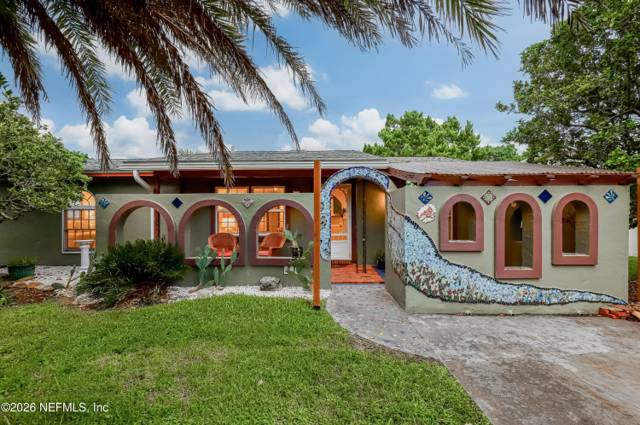
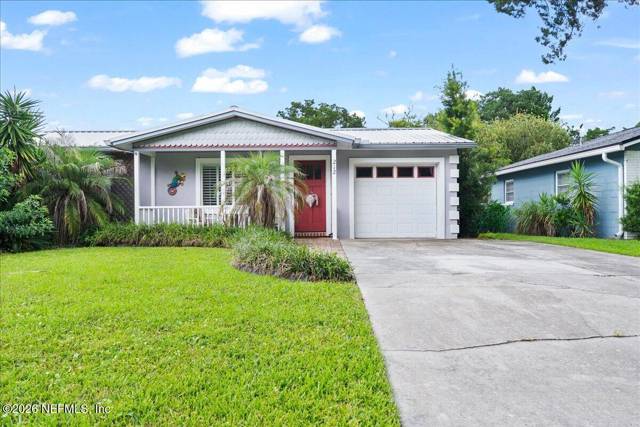
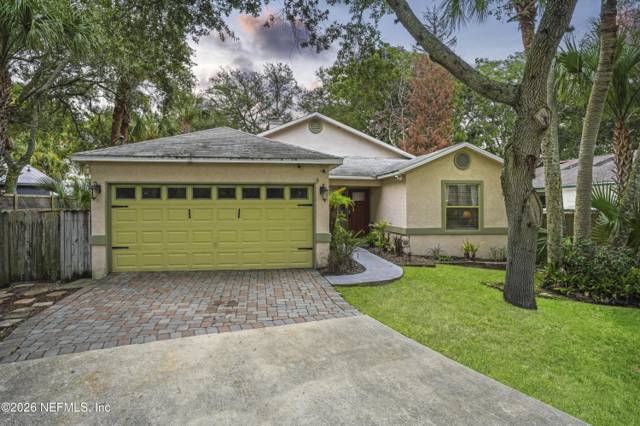
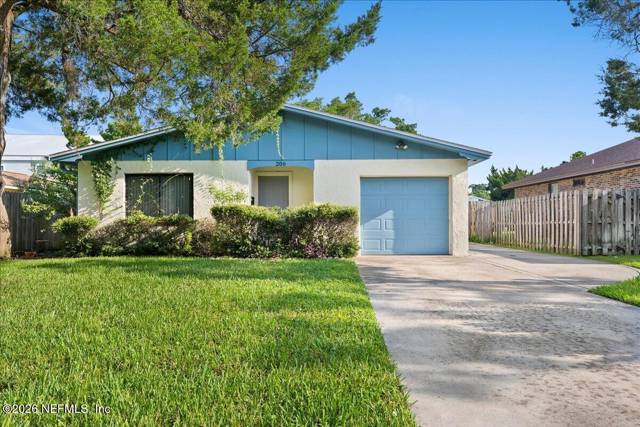
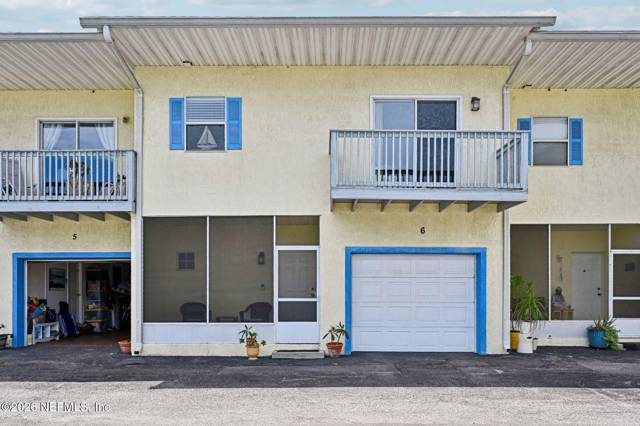
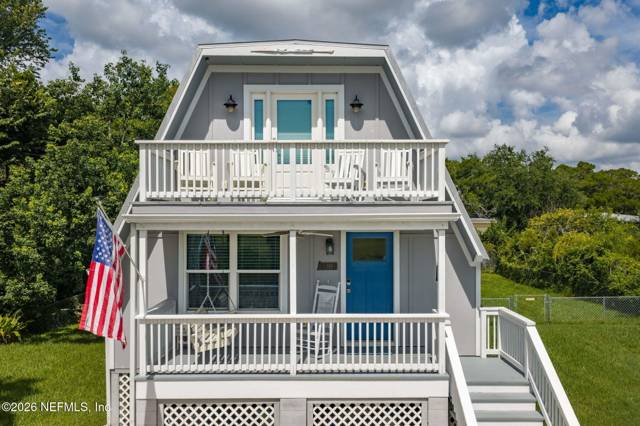
Lighthouse Park's stock spans roughly a century of decisions: early-1900s cottages and Victorians whose value is character plus the ground under them, mid-century ranches that are often the value entries, renovated era homes where the quality of the renovation is the asset, and new infill customs built to current code on the old grid. Four eras, one ridge, and the comp discipline is to never price one era off another: a current-code infill and a 1920s cottage on the same street are different assets with different insurance, maintenance, and buyer pools.
The entry tier deserves honesty in both directions: a sound historic cottage on Zone X ground, bought at the right number, is one of the island's most durable buys, the ground and the character cannot be rebuilt elsewhere. The trap is paying renovated-tier prices for project-tier structures, or skipping the specialist inspection a century-old building demands, foundations, wiring eras, and any overlay constraints on what you can change.
Schools
Lighthouse Park is zoned to the island ladder, typically R.B. Hunt Elementary (9/10 on GreatSchools), Sebastian Middle (6/10), and St. Augustine High (6/10), confirm with the district. R.B. Hunt sits close enough that many neighborhood kids walk or bike, a detail that quietly anchors the family demand here.
If schools anchor your decision, weigh the island options against the county's high-growth corridors honestly; if the ground and the water anchor it, the walkable elementary is a real bonus.
More on Living in Lighthouse Park
The depth without the wall of text. Open what matters to you.
Location and daily life
The lighthouse as a neighbor
Hurricane, flood, and elevation truth
No-HOA, city-rules character
5 Mistakes Buyers Make in Lighthouse Park
A historic high-ground neighborhood has its own traps. These five cost buyers the most, and every one is avoidable.
Treating the high ground as a blanket guarantee
Much of the core maps Zone X, but edges near Salt Run can map AE, and zones change at parcel lines. Pull the FEMA determination for the exact address, not the neighborhood's reputation.
Inspecting a 1920s house like a 2020s house
Century-old structures need era-literate specialists: foundations, wiring generations, plumbing materials, and moisture history. The standard inspection misses what matters most here.
Underwriting nightly rental income
City RS-1 and RS-2 zones require weekly-minimum rentals under the 2019 ordinances. Buyers who priced in Airbnb math discover the zoning after closing. Verify the parcel's zone first.
Comping across eras
A new infill custom, a renovated Victorian, and a dated ranch are three different assets. Era-blind comps misprice this neighborhood in both directions; match the era and the ground.
Calling the listing agent
The agent on the sign works for the seller. In a neighborhood where flood zone and era swing value by six figures, unrepresented buyers inherit the problems the listing did not mention.
Which Positions Hold Value Best
On this ridge, the ground is the lot
Salt Run-proximate and lighthouse-view positions on high Zone X ground lead the neighborhood; high-ground interior streets hold the broad middle; lower-elevation edges trade at a discount that the insurance bill explains. The era of the structure moves homes within each tier, but the ground sets the tier.
The house can be renovated or rebuilt, and across a century here it repeatedly has been. The elevation under it is permanent, which is why buying the right ground in the value tier beats buying the wrong ground at any tier.
What to Check Before You Offer
Before you write an offer on any Lighthouse Park home, run this list. Missing any one of them is how buyers overpay or inherit a problem.
- Parcel-specific FEMA flood zone, X versus AE changes the math; never trust the neighborhood average
- Elevation certificate and claims history, the honest record of the ground and the past
- Era-matched specialist inspection, foundations, wiring, plumbing, and moisture on older stock
- Real flood and wind quotes inside the inspection period, never estimates
- City zoning and overlays, RS short-term-rental limits and any historic review on your renovation plans
- Era-matched closed comps, infill to infill, cottage to cottage, ground to ground
- Roof, systems, and renovation documentation, permits pulled or problems inherited
- The street at midday in season, lighthouse-adjacent blocks carry tourist traffic; see it yourself
Lighthouse Park is the island's blue-chip address for a reason no marketing invented: the ground. A century of owners chose the elevated ridge beside the lighthouse, and the flood maps still reward the choice, much of the core maps Zone X while the coast around it pays the premiums. The buyers who win here think geologically: they buy the ground first, the era second, and the kitchen last, and they verify the flood zone at the parcel, not the brochure. The spread between a project cottage and a new infill on the same street is the whole game, and it rewards exactly the era-matched diligence most buyers skip.
Cross-shop it honestly against Davis Shores for the lower-lying neighbor nearer the bridge and Treasure Beach for backyard-dock canal living south. For the buyer who wants historic fabric, protected water, and the island's best ground in one address, Lighthouse Park is the only complete answer, and the ridge is not getting any bigger.
Lighthouse Park vs. Comparable Communities
The honest way to place Lighthouse Park is against the other island and waterfront options a buyer is realistically weighing. Each trades something different.
| Community | How it compares to Lighthouse Park |
|---|---|
| Davis Shores | The 1920s neighbor at the island's north tip: closer to the Bridge of Lions and downtown, but built on filled marsh at lower elevation with a documented flood history in parts. Lighthouse Park trades a few minutes of proximity for materially higher ground. |
| Treasure Beach | The other no-HOA island classic: deep saltwater canals with backyard docks south near Butler Beach. The boat lives behind the house there; here the ramp and the high ground are the play. |
| Camachee Island | The gated marina-village alternative across the inlet: slips and association structure instead of a public ramp and city rules. Different philosophy, same harbor obsession. |
| St. Augustine Beach | The beach-town market down the island: oceanfront energy, condo stock, and its own city's rental rules. The surf-first alternative when the lagoon and the history are optional. |
| Marsh Creek | The gated country-club counterpoint on the island: golf, gates, HOA-curated streets. The opposite trade on nearly every axis except the address. |
| Sea Place | The island condo alternative: lock-and-leave coastal living at condo pricing with association structure. The attainable door; Lighthouse Park is the full-ownership, full-ground answer. |
Lighthouse Park's case against this field is singular: the island's best documented ground, a century of historic fabric, Salt Run with a public ramp, and no fees, a combination that exists once. The case against it is the diligence load: era-by-era inspections, parcel-by-parcel flood checks, and thin inventory that makes patience or speed, sometimes both, part of the price.
The Honest Trade-offs
Pros
- Elevated ridge: much of the core maps flood Zone X.
- Salt Run with a public boat ramp, park, and tennis in the neighborhood.
- No HOA, no CDD, no assessment lines.
- A century of historic character beside disciplined new infill.
- Walk-bike to the lighthouse, R.B. Hunt, and Anastasia State Park.
- Finite supply on ground the island cannot make more of.
Cons
- Not blanket flood immunity; edges near Salt Run can map AE.
- Century-old stock carries real inspection and upkeep exposure.
- City weekly-minimum STR rules in RS zones cap rental math.
- Tourist traffic near the lighthouse and museum.
- Thin inventory; the neighborhood holds its owners.
- Era-sensitive comps demand real local expertise.
The Lighthouse Park Playbook
If we were buying here, this is the order of operations we would run, and the one we run for our clients.
- Buy the ground first. Parcel-specific flood zone and elevation, then evaluate what sits on it.
- Match the inspection to the era. Specialist diligence on historic stock; standard on infill.
- Quote, never estimate, insurance. Real flood and wind numbers in the offer math, even on Zone X.
- Verify the city rules. Zoning, STR minimums, and any overlay before you plan a thing.
- Comp era-to-era. Ground-and-era-matched solds, not island averages, and move fast when the right one lists.
Questions We'd Ask Before Buying Here Ourselves
The questions a local who knows Lighthouse Park asks are different from the ones a portal answers. On any specific home, we want to know:
- What is the parcel's FEMA flood zone, and where exactly does the AE line run on this street?
- What does the elevation certificate say, and what do real flood and wind quotes come back at?
- What era is the structure really, and what do era-literate inspectors find in homes like it?
- What is the parcel's zoning, and do the city's weekly-minimum STR rules or any overlay apply?
- What did era-and-ground-matched comps actually close at?
- What is the property's claims history, the honest record of water and wind?
Lighthouse Park May Not Be Right For You If
We would rather tell you the truth than sell you the wrong community. Lighthouse Park may not be the right fit if any of these are deal-breakers, and that is a property question, not a personal one.
Consider elsewhere if you want
- Uniform new-construction stock with warranties.
- Nightly short-term-rental income.
- An HOA curating every yard and roof line.
- A backyard dock on your own canal.
- Deep inventory and easy negotiating leverage.
Lighthouse Park fits if you want
- The island's best documented ground in a coastal market.
- A century of real-neighborhood character beside the lighthouse.
- Salt Run, a public ramp, and the yacht club out the back door.
- No dues, no committees, no CDD line.
- A finite ridge the island can never replicate.