The 60-Second Overview
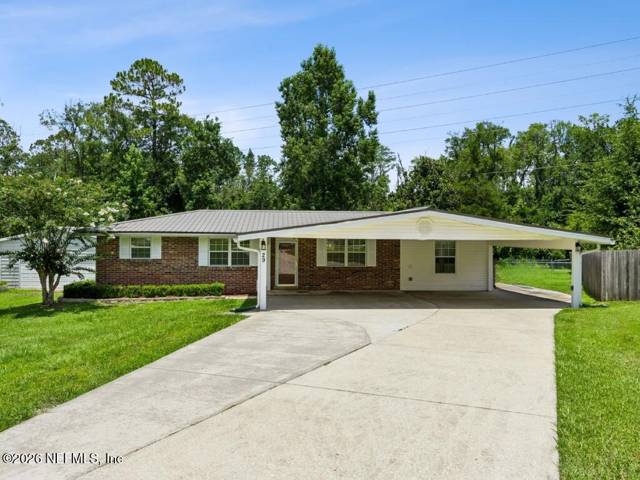
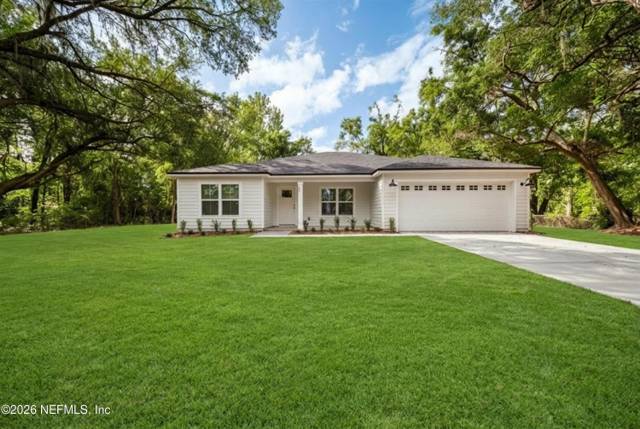
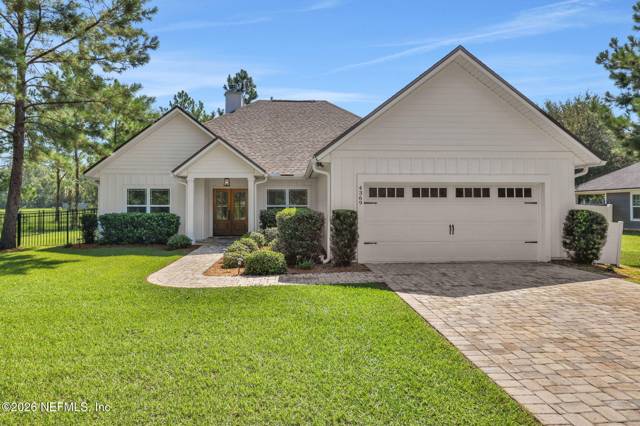
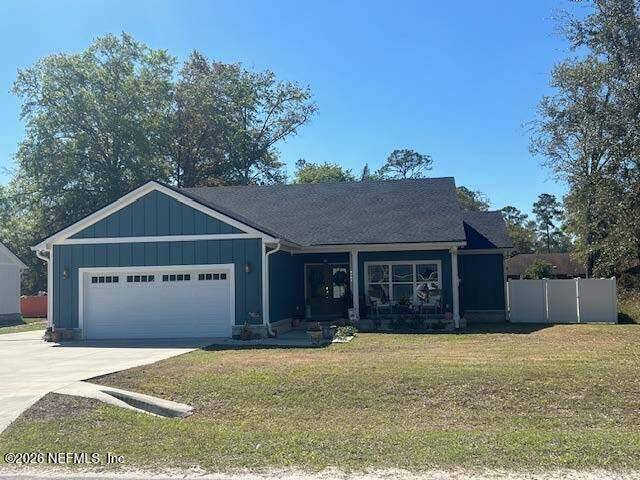
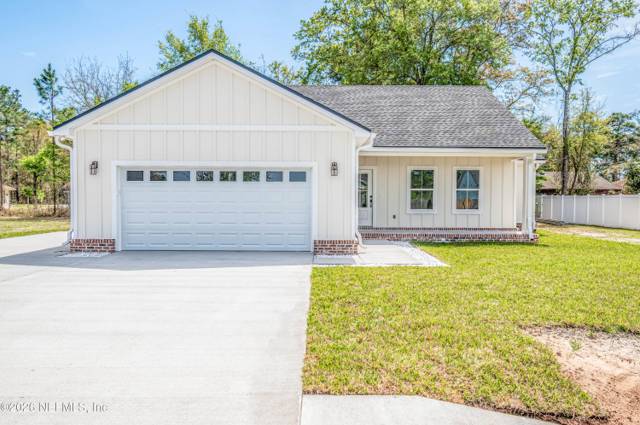
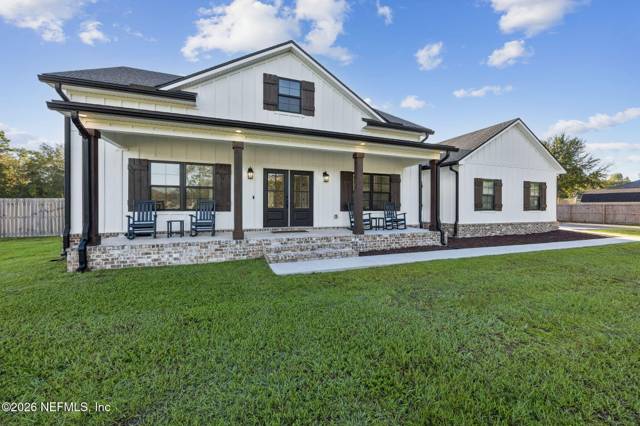
Longbranch takes up seven pages of Plat Book 3 — pages 44 through 50 — which makes it one of the larger recorded communities in Baker County by plat footprint, and almost nobody shopping Macclenny has ever searched its name. The scale and the recording era imply what the streets confirm in character: acreage-leaning parcels, rural texture, the kind of community where the land is the product and the house sits on it rather than defining it.
The portals barely track it, and honestly, portal tracking would mislead here anyway: acreage parcels comp terribly by algorithm because the algorithms price rooftops, not land. The honest context is two-layered — the town’s documented $150K–$400K band with its ~$339K median list, and the county’s acreage math: Glen St. Mary-area houses-with-land currently average around $89K per acre, raw land around $67K per acre. Context, not comps — but it is the context that keeps a Longbranch valuation honest.
An acreage parcel is two assets wearing one address: the land and the house. Price them together and you will misprice both. We split them, every time.
That split is the whole method here. Add the rural diligence stack — well, septic, outbuildings, access, easements per the recorded plat — and you have a community where the represented buyer’s file is routinely worth five figures against a listing priced as an ordinary house that happens to have acres attached. We build that file before you offer.
The Fee Stack: Nothing Identified — Parcel-Verified
No CDD — Baker County has none anywhere. No HOA identified in the public record — which fits the plat’s rural character, and which we confirm per parcel anyway, because a seven-page plat recorded decades ago can carry recorded restrictions in some sections and none in others, and the chain of title is the only document that settles it.
The clean stack — taxes and insurance only — is part of why acreage here pencils: the land carries almost nothing. The insurance caveat is real, though: well/septic properties with older systems and outbuildings quote differently than subdivision houses, so we price the policy in week zero, not at closing.
Want the parcel-level records pulled on a specific address?
We will run it todayThe Seven Pages: Scale Without Portal Visibility
Plat pages are a rough proxy for territory: a community that needed seven pages to record — pages 44 through 50 of Plat Book 3 — covers serious ground. For comparison, most of Macclenny’s named subdivisions recorded on one to four pages; even Macclenny II, the town’s in-town giant, spans seven across two books. Longbranch did it in one continuous recording, which usually means one thing: big parcels across a big footprint, platted in an era when Baker County land was platted generously.
Scale without portal visibility cuts two ways. The downside: no published band, scattered listing quality, and pricing that varies with whoever guessed last. The upside: a seven-page plat generates enough county-recorded sales over the years to comp from — if someone pulls them. Parcel variety inside one recording also means genuine choice: smaller homesites and true acreage spreads can coexist in the same plat, and the recorded pages tell you exactly which is which.
So the rule here is the plat before the listing: we read the parcel’s page — boundaries, acreage, easements, dedications — before we believe anything a listing says about it. In a community this size, the listing is marketing; pages 44–50 are the facts.
Land-Led Math: The Rural Valuation and Diligence Protocol
Step one is the split. We value the land first: the parcel’s recorded acreage against the county’s documented context — roughly $89K per acre for houses-with-land and $67K per acre raw in current Glen St. Mary-area listings, adjusted for Longbranch’s closer-to-town position. Then the improvements on their own merits: the house’s vintage systems, condition, and the permit record on it and every outbuilding. The sum is the honest value; the gap between that sum and the asking price is the negotiation.
Step two is the rural diligence stack, because the working assumption here is well and septic and assumptions are not inspections: well flow rate and water quality testing, septic tank and drainfield condition with a recovery check, the age and permit history of both systems, and replacement-cost reality if either is near end of life — numbers that move deals by themselves. Add access and easement verification off the recorded plat, county zoning on animals and outbuildings if that is your plan, and the FEMA panel per parcel.
Step three is discipline: acreage listings in portal-blind plats are mispriced in both directions — some sellers ignore their own land, some price acres they cannot document. The split plus the records tells us which kind of listing you are looking at before you spend a dollar on it.
Schools: One District, Plain Numbers
Longbranch feeds Baker County’s single countywide district: Macclenny Elementary (GreatSchools 6/10), Baker County Middle (4/10), Baker County Senior High (4/10) — stated plainly, with the schools minutes away and the small-district culture that keeps drawing families to the county. Tour them; confirm current assignments with the district.
Want the ground-level school read?
Ask us directlyDaily Life in Longbranch
The texture of the place, in the questions buyers actually ask:
What is the neighborhood like day to day?
Rural-leaning quiet on oversized parcels — space between neighbors, outbuildings and acreage projects — with town still only minutes away. The land sets the pace.
Where do people shop and eat?
Downtown Macclenny and the SR-121 strip within minutes; Oakleaf Town Center about 30 minutes for the big runs; downtown Jacksonville at 35–45.
What does acreage living actually require?
Well and septic stewardship, land maintenance, and honest budgeting for both. We walk every buyer through the real annual costs before they fall in love with the acres.
How is the commute?
I-10 in five to six minutes via SR-121, downtown Jacksonville in 35–45 — rural setting, honest commute. Or none: the Walmart Distribution Center, the school district and the county complex anchor local employment.
The Five Buyer Mistakes We See Here
All five from real rural-plat files; all five avoidable.
Pricing the house and getting the land for free — or vice versa
Acreage parcels are two assets. We run the land-plus-house split on every target so neither asset gets mispriced into your offer.
Skipping well and septic diligence
Flow tests, water quality, tank and drainfield condition — failures here cost five figures to remediate. Standard protocol, never optional.
Taking the listing’s acreage on faith
The recorded plat — pages 44–50 — and the county records define the parcel, not the brochure. We verify boundaries, easements and access first.
Ignoring outbuilding permits
Barns, workshops and additions accumulate on acreage — permitted or not. Unpermitted structures become your insurance and resale problem; we find them first.
Trusting a portal estimate on an acreage parcel
Algorithms price rooftops, not land — and this plat barely registers on them anyway. County records or nothing; we pull them.
Want the land-led approach on your target parcel?
Get set up todayLots & Position: Where Value Lives
Want our records read on a specific parcel?
Send it overThe Longbranch Buyer Checklist
- Read the parcel’s plat page — boundaries, acreage, easements and dedications per PB 3, pages 44–50.
- Run the land-plus-house split — acreage at county per-acre context, improvements on their own merits.
- Test the well — flow rate, water quality, permit and age.
- Inspect the septic — tank, drainfield, recovery, and replacement-cost reality if aging.
- Pull permits on the house and every outbuilding — acreage accumulates structures.
- Verify access and easements against the recorded plat, not the listing.
- Quote insurance in week zero — well/septic and outbuildings shape the policy.
- Confirm the FEMA panel and school assignments — per parcel, with the district.
Acreage in a portal-blind plat is where lazy pricing goes to hide — listings priced as ordinary houses with the land thrown in free, or asking for acres nobody documented. Longbranch is seven recorded pages of exactly that opportunity. The split is simple arithmetic once someone pulls the plat and the county’s per-acre context; the rural diligence is a known checklist. Together they routinely move these deals by five figures, in whichever direction the records point.
We run the split and the checklist on every target. We represent you, not the seller.
Longbranch vs. the Alternatives
The honest matrix for acreage-leaning Baker County money:
| Community | Setting | Typical entry | Fees | The trade |
|---|---|---|---|---|
| Longbranch | Seven-page acreage-leaning plat near town | ~$280s–$450s (frames — verify) | None identified | Land-led value minutes from I-10 |
| Lucky Seven Ranch | Rural ranch-character plat | Land-led (verify) | None identified | The deeper rural peer, same math |
| Glen Plantation | Glen St. Mary acreage | Land-led (verify) | None identified | More land, longer drive |
| Old Nursery Plantation | Estate-leaning Macclenny | Upper band (verify) | Verify | The polished estate alternative |
| Macclenny II | Large mixed-vintage in-town plat | ~$180s–$380s (verify) | None identified | In-town convenience, no acreage |
The verdict: Longbranch is the close-to-town acreage play — rural character without the deep-county drive, priced on the land-plus-house split. Buyers wanting maximum land per dollar go deeper into the county; buyers wanting town convenience skip the acres entirely. Longbranch holds the middle, and the per-acre math tells you exactly what that middle costs. We run it honestly.
Comparing acreage options? We will run your budget through all of them, records in hand.
Compare with usThe Honest Pros & Cons
What works
- Acreage character minutes from downtown and I-10
- No CDD, no identified HOA — the land carries almost nothing
- One of the county’s larger plats — real parcel variety
- Land-led pricing rewards represented buyers who run the split
- County acreage context keeps valuations honest
- Thin portal data is an edge for whoever pulls the records
What to weigh
- Well and septic diligence is mandatory and priced into every deal
- Portal-blind — pricing requires parcel-level records work
- Parcel sizes and conditions vary widely — no valuation transfers
- Rural living has real maintenance and budget realities
- Outbuilding and access verification adds diligence steps
- Secondary school ratings (4/10) deserve a clear look
Our Longbranch Playbook
How we actually win here for buyers:
- Plat first — the parcel’s page in PB 3 (44–50) read before the listing is believed.
- The land-plus-house split — acreage at county per-acre context, improvements separately.
- Rural diligence stack — well, septic, outbuildings, access and easements, all documented.
- Week-zero insurance and permit work — surprises priced before the offer.
- Split-aware negotiation — mispriced land is the lever, and we usually find it first.
Questions We Ask Before You Offer
The diligence list we run on every Longbranch target:
- What does the parcel’s recorded plat page actually show — acreage, boundaries, easements?
- What is the land worth on its own, per the county’s per-acre context?
- What do the well and septic actually test at — and what would replacement cost?
- What does the permit history document on the house and every outbuilding?
- What does insurance quote on the actual systems and structures?
- Is this listing priced as land plus house — or as a house with the land ignored?
Is Longbranch Right for You?
The honest sorting question, both directions:
Consider elsewhere if you want
- City utilities and zero systems stewardship — the in-town subdivisions
- Published-band pricing certainty — the portal-visible names
- A uniform covenant streetscape — Rolling Meadows or Lakes at Woodlawn
- Maximum land per dollar regardless of drive — the deeper-county plats
- A purchase without well, septic and land homework
- Top-rated secondary schools as the deciding factor
Longbranch fits if you want
- Acreage living minutes from town and I-10
- Land that carries almost nothing — no CDD, no identified HOA
- Room for outbuildings, projects and space between neighbors
- Value the portals never computed — captured by the split
- Parcel variety inside one large recorded community
- A represented buyer’s edge in a land-led market