

Oakhaven Walk
Homes for Sale in Gainesville, FL
All 815 homes for sale in Gainesville, FL · median $299,900 · 127 homes for sale in 32607 · Alachua County homes for sale
True comps, carrying-cost math, and listings before the portals.
As of October 2026, Oakhaven Walk in Gainesville, FL has 9 homes for sale, asking from $349,900 to $469,900 (median $384,900). Homes listed or recently sold were built 2026 - 2026 with 9 new construction; 9 of 9 report an HOA (median $95/mo); none of the 9 geocoded homes sit in a FEMA special flood hazard zone (median elevation 85 ft).
The real cost & risk here
Before the list price, the Florida math the portals skip. These are Alachua County typicals — your exact home, flood zone, and insurance quote will vary, so verify each before you offer.
Check it for your address: look up your flood zone (FEMA) · insurance by county · true-cost calculator · Alachua County scorecard.
County typicals from Momentum’s Florida housing data (Zillow & Realtor.com aggregates, Census, FRED), updated monthly; insurance modeled. Flood zone is property-specific — always confirm via FEMA.
14% of homes for sale in ZIP 32607 are already under contract (under contract ÷ under contract + active listings) — a read on how much of the available inventory buyers have already claimed. Source: MLS data (2026-10-17).
Oakhaven Walk Market Scorecard
Oakhaven Walk is currently a thin data market. Limited supply, a median asking price of $419,900, and homes go under contract in about 80 days.
Typical home value in the 32607 ZIP is $290,076, about 25.1% above the Florida norm (Zillow Home Value Index).
Go deeper: ZIP market scorecard · county scorecard · true cost calculator · affordability calculator.
Live data: Stellar MLS, distributed by MLS GRID, refreshed twice daily. Typical value: Zillow Research. Market metrics only; these describe homes for sale and recent sales, not residents.
Homes For Sale Right Now in Oakhaven Walk
Live MLS inventory for Oakhaven Walk. Every active listing, what is under contract right now, and the last 12 months of closed sales, refreshed twice a day. Closed comps beat an algorithm's guess every time.
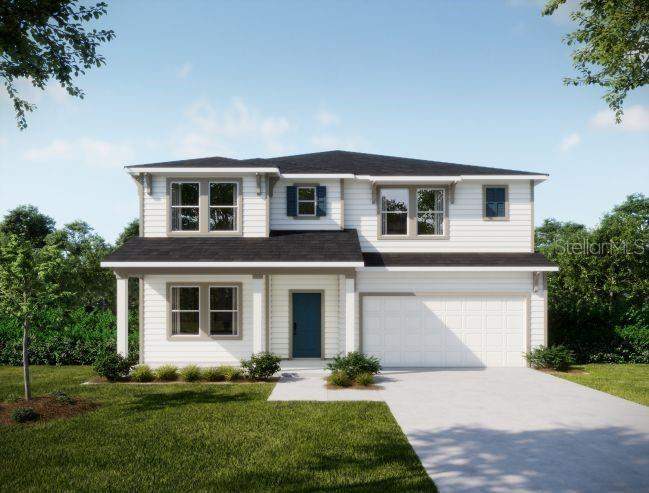 Active · 81 daysTop listing
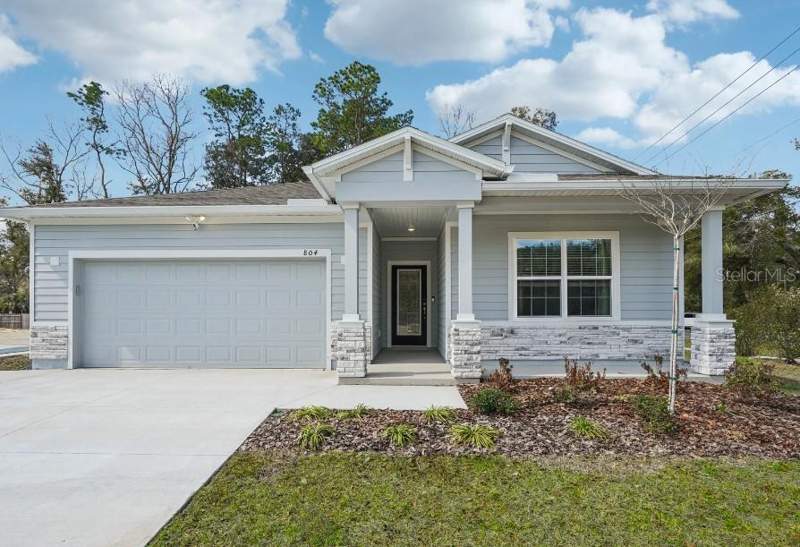 Active · 220 days
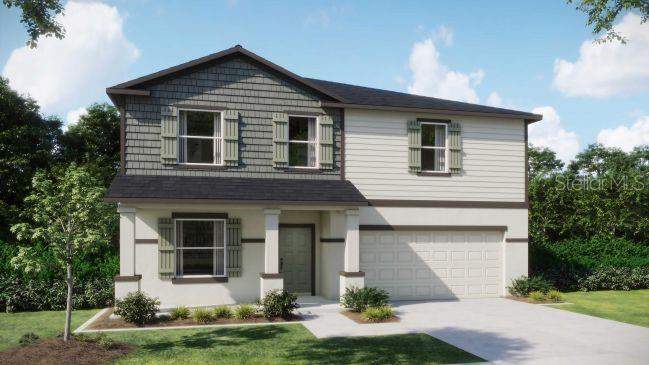 Active · 81 days
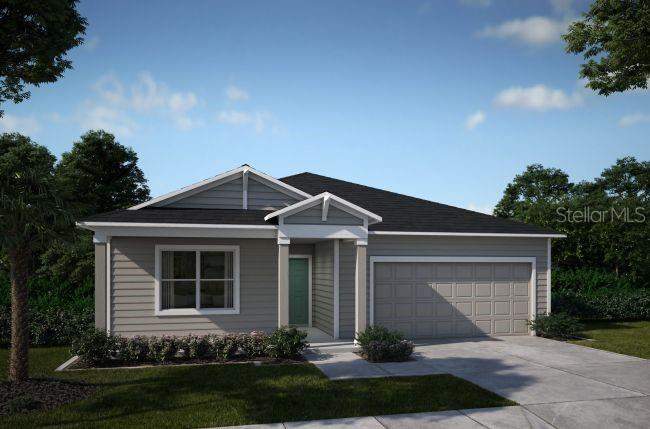 Active · 7 days
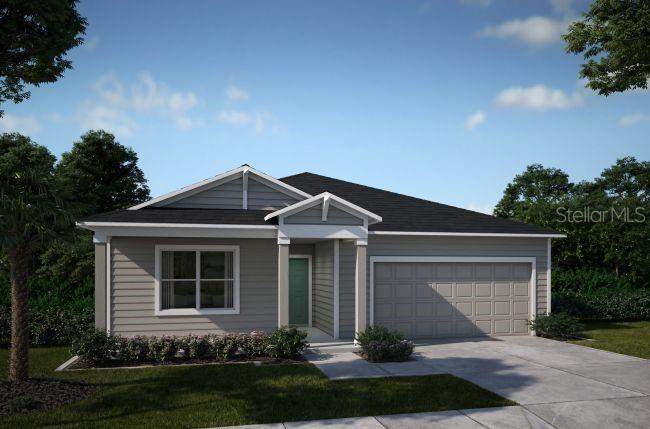 Active · 80 days
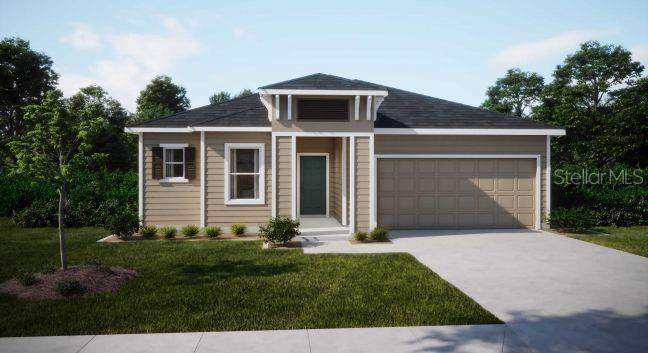 Active · 80 days
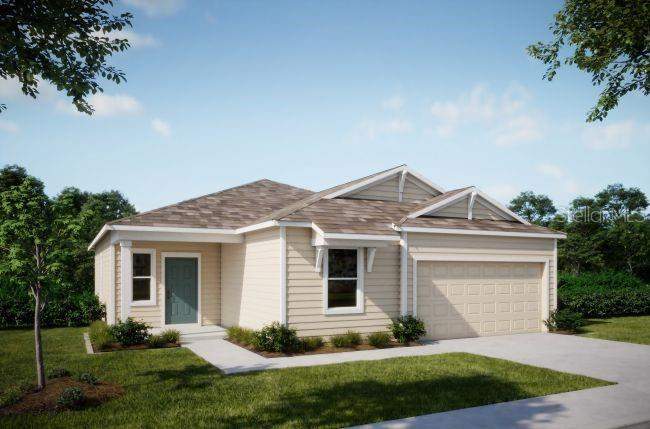 Active · 81 days
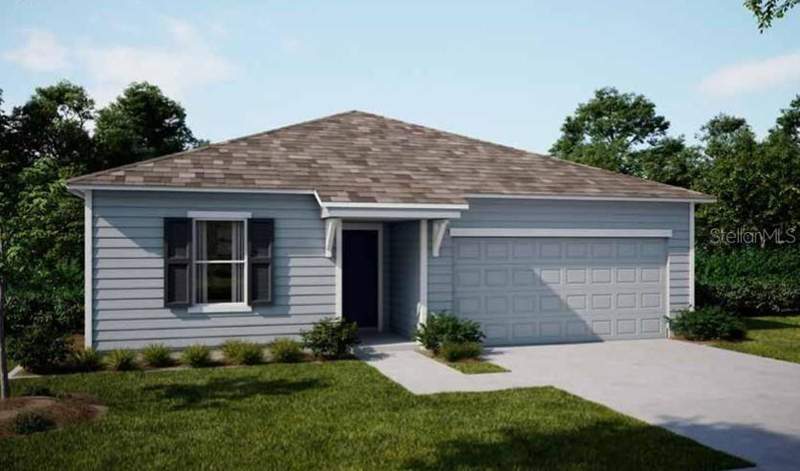 Active · 80 days
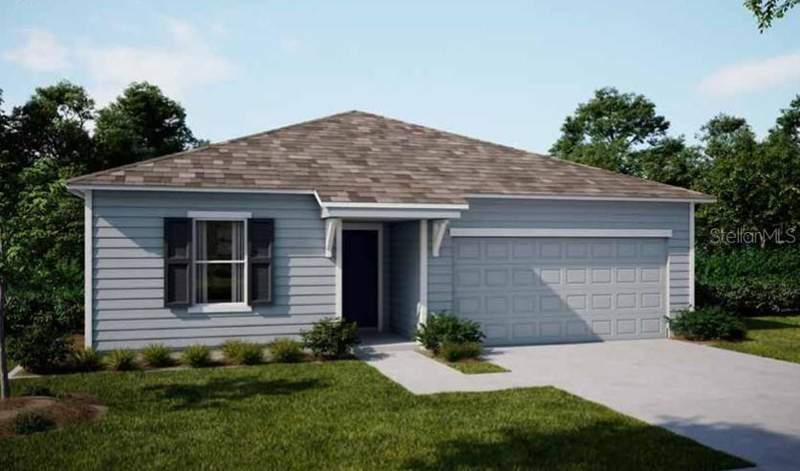 Active · 1 days
Active and pending Oakhaven Walk listings as of 2026-09-17, priced high to low. Based on Stellar MLS data distributed by MLS GRID. Tap any home to ask about it.
The setting & the homes.
Aerial and on-site photos of Oakhaven Walk. Swipe to explore the community.
Swipe or use the arrows → tap any photo to enlarge
Oakhaven WalkOakhaven WalkOakhaven WalkOakhaven WalkOakhaven WalkOakhaven WalkOakhaven WalkOakhaven WalkPhotos from Stellar MLS listings in Oakhaven Walk; content deemed reliable but not guaranteed.
The market around Oakhaven Walk
Oakhaven Walk is too small for its own price trend, so here is the market around it.
Across Alachua County, 1,189 homes are active and 389 pending (25% under contract).
ZIP and county figures describe the wider market, not Oakhaven Walk specifically. Momentum Research analysis of MLS records.
Oakhaven Walk on the map.
Every active, pending, and recently sold home, plotted. Toggle the layers and tap a home for the details.
Listing locations from Stellar MLS. Map data © OpenStreetMap contributors.
Schools
- Alachua County Public Schools
- Verify the zoned schools by address
- Magnet and choice options may be available
- Lawton M. Chiles Elementary School-AL · Elementary
- Kanapaha Middle School-AL · Middle
- F. W. Buchholz High School-AL · High
Zoned schools reflect the assignments reported on recent Oakhaven Walk listings and can change; always confirm with Alachua County Public Schools for a specific address.
Buying with schools in mind? We can confirm the exact zoned schools for any Oakhaven Walk address.
Shop the zone: Homes zoned for F. W. Buchholz High School-Al
Recent Developments in Oakhaven Walk
Development, infrastructure, retail, and school activity affecting Oakhaven Walk, tracked by our team and summarized from public reporting and official sources, with links to the original coverage. Last updated July 2026.
- April 2026Development
Gainesville board approves 248-unit apartment project in northwest Gainesville
The Gainesville Development Review Board approved a 248-unit multifamily project in northwest Gainesville, planned as four four-story buildings with a clubhouse and amenities, with construction expected to run about 22 months.
What it may mean for the marketA new apartment community of this size adds rental housing to northwest Gainesville, a factor that can influence demand and pricing for nearby communities. The site is about 3 miles northwest of Oakhaven Walk.
Source: WCJB - April 2026Development
Newberry Ridge development of up to 1,250 homes advances east of Champions Park
Newberry Ridge, a roughly 225 acre project planned for up to 1,250 homes east of Champions Park in Newberry, cleared a land use amendment step and moved toward further Planning and Zoning, City Commission, and state review.
What it may mean for the marketA large planned community of this scale adds significant future housing on the west side of Alachua County, a factor that can influence demand and pricing for nearby communities. The project is about 13 miles west of Oakhaven Walk, elsewhere in Alachua County.
Source: Mainstreet Daily News - April 2026Development
Sandia West development of about 500 homes advances near Champions Park in Newberry
Sandia West, a roughly 160 acre residential development planned for about 500 homes near Champions Park on the northeast side of Newberry, won Planning and Zoning Board approval and moved toward City Commission and state review.
What it may mean for the marketA large new residential development in Newberry adds future housing supply on the west side of Alachua County, the kind of growth that can shape demand for nearby communities. The project is about 14 miles west of Oakhaven Walk, elsewhere in Alachua County.
Source: Mainstreet Daily News - December 2025Retail & Dining
Amrit Palace Indian restaurant to open on Southwest 34th Street in Gainesville
Amrit Palace, an Indian restaurant expanding from Ocala, is planned to open at 3105 Southwest 34th Street in Gainesville, adding a dining option along the 34th Street corridor near Archer Road.
What it may mean for the marketA new restaurant on the 34th Street corridor adds to the dining and retail mix that shapes daily convenience for nearby Gainesville communities. The site is about 2 miles southwest of Oakhaven Walk.
Source: 352today - May 2025Development
Archer Place luxury condo and retail project breaks ground at Archer Road and 34th Street in Gainesville
Archer Place, a mixed-use development at the corner of Archer Road and Southwest 34th Street near Butler Plaza in Gainesville, broke ground with plans for 92 residential units including penthouses and workforce apartments, ground-floor retail, and a roughly 6,000 square foot restaurant, with completion targeted for late 2026.
What it may mean for the marketA new mixed-use condo and retail project on the Archer Road corridor adds housing and commercial space near Butler Plaza, the kind of activity that can shape demand for nearby Gainesville communities. The site is about 2 miles southwest of Oakhaven Walk.
Source: Mainstreet Daily News
Summaries reflect public reporting and official sources linked above as of the dates shown. Project details, timelines, and approvals can change. Commentary on potential market effects is general observation, not investment advice or a prediction for any specific property. For the freshest items across the whole region, see This Week in Northeast Florida.
The Oakhaven Walk buying strategy.
If we were buying in Oakhaven Walk today, this is the order of operations we would run for our clients.
Underwrite the condition first. Price the roof, HVAC, and systems honestly before judging any list price; condition swings value here more than square footage alone.
Match the home to real comps. Recent sales of similar condition and lot, not the asking price, tell you what a home is worth.
Move deliberately, not desperately. Neither side has a decisive edge, so a well-prepared, fairly-priced offer wins without overpaying.
Line up financing and inspection early. A pre-approval and an inspection plan let you act fast and negotiate from evidence.
Keep an agent in your corner. The listing agent works for the seller; we represent you and prepare a hand-built valuation before any offer in Oakhaven Walk.
The location and the amenities are priced into every listing in Oakhaven Walk. The deal is won or lost on condition, the comps, and the renovation math.
What it really costs to own in Oakhaven WalkHomes for Sale
The parts of the monthly number a mortgage calculator leaves out, from the tax roll, the MLS, Citizens and FEMA. Property facts only.
| Property tax | At today's median asking price of $384,900, the first-year bill with homestead is about $5,700/yr (Alachua County total millage 16.5552 mills, FY2025-26, Alachua County Property Appraiser, FY2025-26 adopted budget). |
|---|---|
| HOA dues | Median $95/month across 9 MLS listings (most billed monthly; 2026-10-20). Dues cover what the documents say they cover; ask for the budget and reserve study. |
| Home and flood insurance | The average Citizens Property Insurance premium in Alachua County is $1,020/yr (714 policies, Citizens detail by county, April 2026); private-market quotes depend on roof age, wind mitigation and construction. Flood: of 8 listing addresses checked against the FEMA flood map, 100% sit outside the high-risk zone. Statewide, a Zone X flood policy runs about $500-$700/yr and a high-risk zone $1,200-$2,500/yr (FEMA Risk Rating 2.0 averages, not quotes). |
| Roof and age | Median build year 2026 across 9 listings. Newer roofs and current wind-mitigation features usually mean the lower end of insurance quotes. |
Estimated carrying cost at the median asking price, before the mortgage: about $655/month (tax $475, HOA $95, insurance $85). An estimate from the sources above, not a quote.
Email me new listings in Oakhaven WalkHomes for Sale
One e-mail a day, only when a home lists here, with price, beds, baths and a link to every listing. Straight from the MLS feed; no account needed.
Ask an agent about Oakhaven WalkHomes for Sale
Have a question about the homes, fees, rules or commute here? A Momentum agent who works Oakhaven WalkHomes for Sale will answer, and the answer is published on this page for the next buyer.
HOA, CDD & Fees
- HOA dues reported around $95/month (about $1,140/yr) · median of 9 MLS listings, most billed monthly
- Any club/amenity membership is billed separately
Listings in this community report association dues of about $95 per month ($1,140 a year) - the median AssociationFee across 9 MLS records, normalised to a monthly figure; most are billed monthly. Dues change with budgets and can differ by section or product type; confirm the current figure with the association before you offer. Source: MLS listing records, 2026-10.
Confirm the current HOA dues, exactly what they cover, and any CDD bond or special assessment for a specific address before you offer.
Tools for a Oakhaven Walk buy.
Free calculators to pressure-test the real cost before you tour.
Selling here is won on condition and pricing to real comps, not an automated estimate. The right number comes from closed Oakhaven Walk sales matched to your home.
Price it to the comps and condition, not an automated estimate.
If you are thinking about selling in Oakhaven Walk, the right list price comes from recent comparable sales matched to your home's condition and location, not an automated estimate.
What is your Oakhaven Walk home worth?
Get a no-obligation home value based on real comparable sales in Oakhaven Walk, not an automated guess. Tell us about your home and we will personally prepare your numbers and a pricing strategy. No obligation, no spam.
See all homes for sale in Gainesville →
Data sources & freshness
| Live listings | Stellar MLS, refreshed twice daily (last: September 17, 2026) |
| Under-contract shares | Stellar MLS records, as of 2026-08-10 |
Verify the primary sources yourself: Florida DOR · U.S. Census · FEMA flood maps · Citizens Property Insurance.
Momentum Research figures are our own analysis of Stellar MLS records; MLS data is deemed reliable but not guaranteed. Methodology: how Momentum market scores are computed. Market metrics describe homes for sale and recent sales, not residents.
Own a home here?
You just read the data. Now see what your home is worth.
The numbers on this page move markets in the aggregate. The number that matters to you is what a buyer pays for your address. Momentum sells for 1.25% above the Stellar MLS member average and 8 days faster, and we’ll price yours against live local comps.
Looking to buy here? Search homes for sale →
What’s your home worth in your area?
A real valuation with real comps from a local listing agent, not an instant algorithm. Response within one business day.
See how OAKHAVEN WALK fits the bigger picture — live prices, inventory, and Momentum Scores:
Common questions about Oakhaven Walk
Where is Oakhaven Walk?
Oakhaven Walk is a community in Gainesville, Alachua County, Florida.
Are there homes for sale in Oakhaven Walk right now?
Yes - 8 active and 0 pending listings as of the last feed refresh (twice daily). They are listed on this page.
Does Oakhaven Walk have an HOA or CDD?
No HOA is on record for Oakhaven Walk in our data. Verify dues, what they cover, and any special assessment for a specific address before you offer.
Answers are generated from county property records, MLS feeds and the figures on this page, as of the page date; deemed reliable but not guaranteed.
More Gainesville & Gainesville & Alachua County guides
Compare before you commit - every guide covers pricing, HOA/CDD, insurance posture, and fit. Browse all of Gainesville & Alachua County or the full Neighborhood Finder.
| Location | Gainesville, Alachua County, FL |
|---|---|
| Home types (current listings and sales) | single-family 100% |
| Amenities listed by sellers | Security System |
| For sale right now | 8 active, 0 pending · median asking $463,650 |
Data as of August 10, 2026. Based on Stellar MLS data distributed by MLS GRID. Market figures describe homes, not residents. Cite as: Momentum Realty, “Oakhaven Walk key facts,” movewithmomentum.com/neighborhoods/oakhaven-walk-gainesville, data as of August 10, 2026.
Housing distress & ownership in OAKHAVEN WALK, Gainesville
Who owns here, how much is not owner-occupied, and how much for-sale inventory is under distress.
Source: Momentum Realty Research. Ownership & parcels from the FL DOR 2025 tax roll; distress from MLS active-listing status/remarks; price from MLS closed sales. Based on Stellar MLS data distributed by MLS GRID for the period September 2026 through September 2026. Deemed reliable but not guaranteed.
Every Home for Sale in Oakhaven Walk Gainesville Right Now (9)
All 9 active and pending Oakhaven Walk Gainesville listings with a detail page, newest first, refreshed twice a day from the MLS.
- 862 SW 80th Way · $349,900 · 4 bd / 2 ba · listed Sep 10, 2026 · listed by New Home Star Florida Llc
- 833 SW 80th Way · $369,900 · 3 bd / 2 ba · listed Sep 10, 2026 · listed by New Home Star Florida Llc
- Tbd SW 80th Way · $369,900 · 4 bd / 2 ba · listed Sep 10, 2026 · listed by New Home Star Florida Llc
- 8099 SW 9th Lane · $419,900 · 4 bd / 2.5 ba · listed Sep 8, 2026 · listed by New Home Star Florida Llc
- 830 SW 80th Way · $429,900 · 4 bd / 3 ba · listed Sep 3, 2026 · listed by New Home Star Florida Llc
- 874 SW 80th Way · $384,900 · 4 bd / 3 ba · listed Jul 22, 2026 · listed by New Home Star Florida Llc
- 846 SW 80th Way · $374,900 · 3 bd / 2 ba · listed Jul 22, 2026 · listed by New Home Star Florida Llc
- 8087 SW 9th Lane · $449,900 · 5 bd / 4.5 ba · listed Jul 22, 2026 · listed by New Home Star Florida Llc
- 804 SW 80th Way · $469,900 · 4 bd / 3 ba · listed Jul 22, 2026 · listed by New Home Star Florida Llc
More Gainesville home searches
- All homes for sale in Gainesville, FL
- Homes for sale in Alachua County, FL
- Gainesville pool homes for sale
- Gated communities in Gainesville
- Gainesville golf course homes
- Homes under $300K in Gainesville
- Homes from $300K to $500K in Gainesville
- 4-bedroom homes for sale in Gainesville
- Gainesville home values: what is my house worth?
- Gainesville real estate guide
Gainesville guides & data
- Market data
- Cost of living
- Best neighborhoods
- Flood zones
- Property taxes (Alachua County)
- Homestead exemption (Alachua County)
- Home insurance cost
- HOA database
Florida buyer guides
- Florida home insurance rates by county
- Florida property tax by county
- Florida property tax calculator
- What flood zone X means
- The 4-point inspection, explained
- Florida flood insurance calculator
Real estate agent in Gainesville? Join Momentum in Gainesville: 100% commission, one $12K cap.
Streets in this community
Street-level pages: every home on record, what sold and what is for sale on each street.
- SW 80Th Way (6 homes on record)
- SW 9Th Lane (2 homes on record)
Nearby Communities
Explore more neighborhoods near Oakhaven Walk with Momentum Realty’s local guides.