

Thomas Creek Jacksonville
Homes for Sale in Duval County, FL
True comps, carrying-cost math, and listings before the portals.
Nearby homes for sale
No active listings inside Thomas Creek right now. These are the 6 closest homes on the market, by straight-line distance from the community's center; some may sit just outside its boundary.
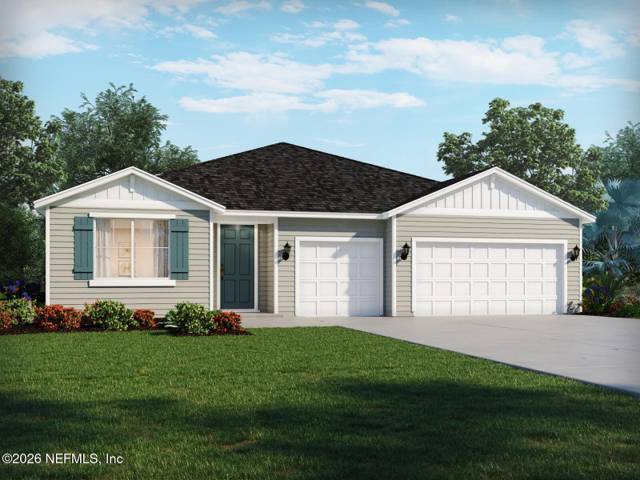
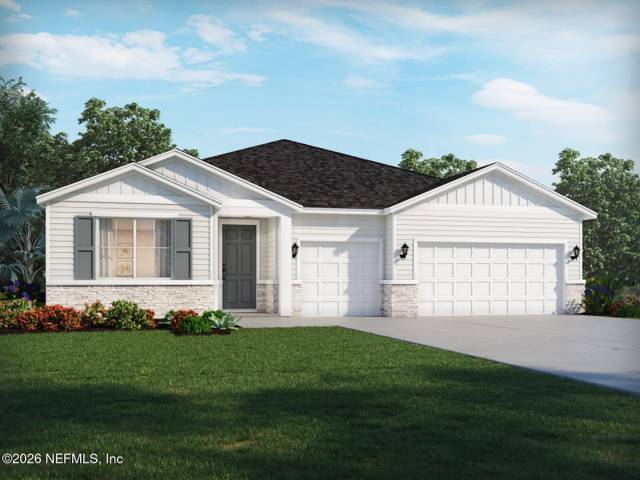
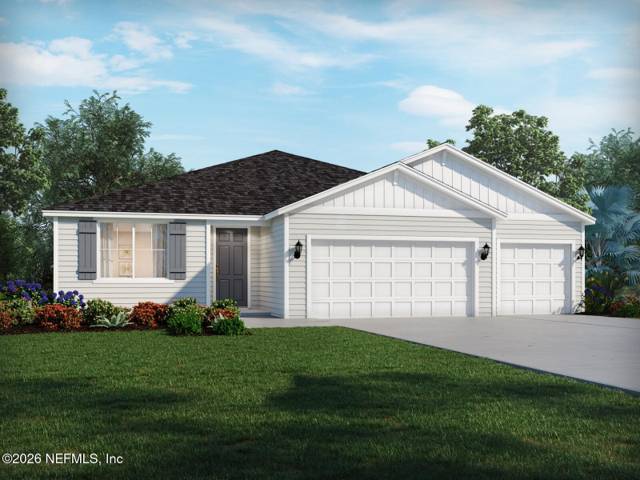
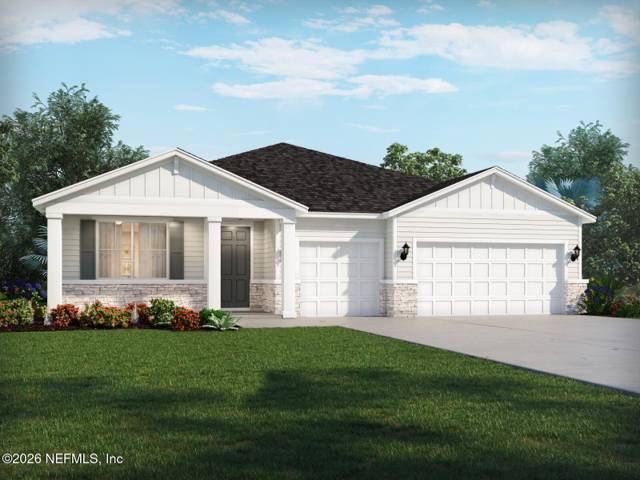
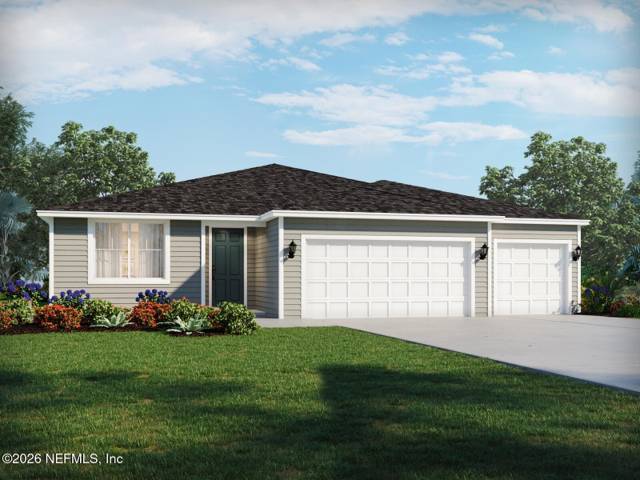
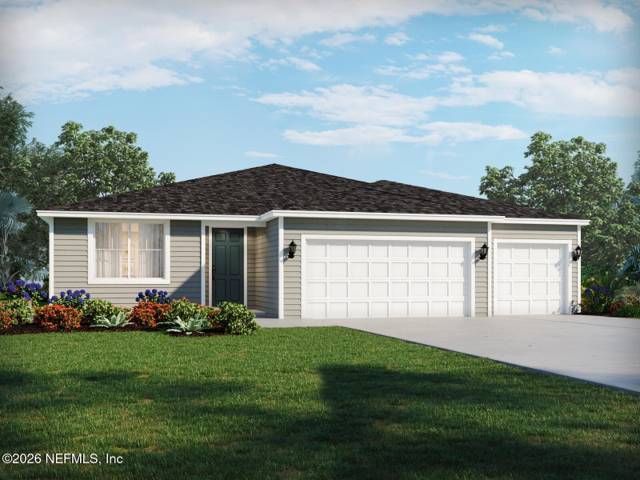
Listing data from the MLS feeds named on each listing page; deemed reliable but not guaranteed. Refreshed nightly.
The market around Thomas Creek Jacksonville
Thomas Creek Jacksonville is too small for its own price trend, so here is the market around it.
Across Duval County, 3,861 homes are active and 1,760 pending (31% under contract).
ZIP and county figures describe the wider market, not Thomas Creek Jacksonville specifically. Momentum Research analysis of MLS records.
How far is everything?
Everyday stops around Thomas Creek Jacksonville are close: the nearest health is about 4 minutes away.
- All Kids Care of North Jacksonville · Health4 min
- China Wok · Dining5 min
- Victoria Food Mart · Groceries6 min
- Campus Corners · Shopping7 min
- Jacksonville International Airport Observation Area · Parks8 min
- 21 Queen Street Coffee Company · Coffee12 min
Approximate drive times via Mapbox Search + Directions, 2026-07-03. Verify for a specific address.
Nearby Communities
Explore more neighborhoods near Thomas Creek Jacksonville with Momentum Realty’s local guides.
Recent Developments in Thomas Creek
Development, infrastructure, retail, and school activity affecting Thomas Creek, tracked by our team and summarized from public reporting and official sources, with links to the original coverage. Last updated August 2026.
- July 2026Development
JWB secures funding for 108 affordable housing units in Jacksonville
Jacksonville Today reported that JWB Real Estate Capital secured about $28.59 million in gap funding for 108 income-restricted units across three Westside sites on Tracy, Justina and Ricker roads. Plans include 38 townhome-style units and two sets of 35 efficiency units, priced at or below 60% of area median income for 50 years. Groundbreaking is expected by September 2026 with completion in 2027.
What it may mean for the marketAdds new income-restricted rental and townhome housing supply on the Westside, increasing the stock of long-term affordable units and drawing public and tax-credit investment into three infill sites. The project is about 23 miles south of Thomas Creek, elsewhere in Duval County.
Source: Jacksonville Today - July 2026Builder Activity
Wildlight subdivision advances in Yulee as the master-planned community expands
Rayonier's Wildlight master-planned community continued adding residential phases in Yulee in mid-2026, part of a long-range plan that pairs new housing with its commerce park and town center near Interstate 95.
What it may mean for the marketOngoing residential expansion at a large master-planned community adds new supply and amenities in the Yulee area, which can influence pricing and competition for nearby communities. The site is about 8 miles north of Thomas Creek.
Source: Jax Daily Record - July 2026Development
Culinary Institute of America selects Jacksonville for Southeast campus
News4Jax reported that the Culinary Institute of America chose downtown Jacksonville for its Southeast hub, to be located at 330 E. Bay Street on the Northbank riverfront. The campus would anchor a $160.5 million hotel and convention center development. The city previously approved up to $35 million in incentives, and the Downtown Investment Authority is finalizing agreements on design and property details.
What it may mean for the marketAnchors a major downtown riverfront redevelopment that pairs an educational campus with hotel and convention space, adding institutional and commercial investment to the urban core alongside Riverfront Plaza and Pearl Square. The project is about 16 miles south of Thomas Creek, elsewhere in Duval County.
Source: News4Jax - April 2026Development
Southeast Toyota opens $170M vehicle-processing facility at JAXPORT's Blount Island, adding 400-plus jobs
Southeast Toyota Distributors dedicated a new vehicle processing facility at JAXPORT's Blount Island Marine Terminal in April 2026. The company put the investment at $170 million and said the facility created more than 400 full-time jobs, most of them hired locally.
What it may mean for the marketA large new employment center on Blount Island adds sustained local job demand, a factor that has historically supported nearby housing absorption. The project is about 15 miles southeast of Thomas Creek, elsewhere in Duval County.
Source: JAXPORT - March 2026Development
First Wildlight Commerce Park speculative building opens in Yulee
The first speculative building at Wildlight Commerce Park opened in March 2026, adding move-in-ready industrial and flex space to Rayonier's Wildlight community in Nassau County near Interstate 95 and A1A.
What it may mean for the marketNew employment and commerce space at Wildlight strengthens the live-and-work profile of the Interstate 95 and A1A area in Nassau County, a factor that can support nearby residential demand. The site is about 8 miles north of Thomas Creek.
Source: Jax Daily Record - February 2026Infrastructure
JAXPORT details $250M Blount Island modernization and record cargo in 2026 State of the Ports
At its February 2026 State of the Ports address, JAXPORT outlined a $250 million modernization of Blount Island's container and vehicle-handling capabilities and reported record fiscal-2025 cargo volumes. The port also said an air-draft expansion to accommodate larger ships is on track to finish by the end of 2026.
What it may mean for the marketContinued heavy investment in the Blount Island port complex anchors long-term industrial employment on the northeast side, a structural demand driver for the surrounding area. The project is about 15 miles southeast of Thomas Creek, elsewhere in Duval County.
Source: News4Jax
Summaries reflect public reporting and official sources linked above as of the dates shown. Project details, timelines, and approvals can change. Commentary on potential market effects is general observation, not investment advice or a prediction for any specific property. For the freshest items across the whole region, see This Week in Northeast Florida.
The Thomas Creek Jacksonville buying strategy.
If we were buying in Thomas Creek Jacksonville today, this is the order of operations we would run for our clients.
Underwrite the condition first. Price the roof, HVAC, and systems honestly before judging any list price; condition swings value here more than square footage alone.
Match the home to real comps. Recent sales of similar condition and lot, not the asking price, tell you what a home is worth.
Move deliberately, not desperately. Neither side has a decisive edge, so a well-prepared, fairly-priced offer wins without overpaying.
Line up financing and inspection early. A pre-approval and an inspection plan let you act fast and negotiate from evidence.
Keep an agent in your corner. The listing agent works for the seller; we represent you and prepare a hand-built valuation before any offer in Thomas Creek Jacksonville.
The location and the amenities are priced into every listing in Thomas Creek Jacksonville. The deal is won or lost on condition, the comps, and the renovation math.
HOA, CDD & Fees
- No CDD
- HOA status not on record. Verify any dues before you offer
- Any club/amenity membership is billed separately
Confirm the current HOA dues, exactly what they cover, and any CDD bond or special assessment for a specific address before you offer.
Page states no CDD.
Tools for a Thomas Creek Jacksonville buy.
Free calculators to pressure-test the real cost before you tour.
Selling here is won on condition and pricing to real comps, not an automated estimate. The right number comes from closed Thomas Creek Jacksonville sales matched to your home.
Price it to the comps and condition, not an automated estimate.
If you are thinking about selling in Thomas Creek Jacksonville, the right list price comes from recent comparable sales matched to your home's condition and location, not an automated estimate.
What is your Thomas Creek Jacksonville home worth?
Get a no-obligation home value based on real comparable sales in Thomas Creek Jacksonville, not an automated guess. Tell us about your home and we will personally prepare your numbers and a pricing strategy. No obligation, no spam.
See homes for sale in Thomas Creek Jacksonville on the map →
Data sources & freshness
| Under-contract shares | realMLS records, as of 2026-08-18 |
Verify the primary sources yourself: Florida DOR · U.S. Census · FEMA flood maps · Citizens Property Insurance.
Momentum Research figures are our own analysis of realMLS records; MLS data is deemed reliable but not guaranteed. Methodology: how Momentum market scores are computed. Market metrics describe homes for sale and recent sales, not residents.
Own a home here?
You just read the data. Now see what your home is worth.
The numbers on this page move markets in the aggregate. The number that matters to you is what a buyer pays for your address. Momentum sells for 1.25% above the realMLS member average and 8 days faster, and we’ll price yours against live local comps.
Looking to buy here? Search homes for sale →
What’s your home worth in your area?
A real valuation with real comps from a local listing agent, not an instant algorithm. Response within one business day.
Common questions about Thomas Creek Jacksonville
Where is Thomas Creek Jacksonville?
Thomas Creek Jacksonville is a community in Duval County, Florida.
Are there homes for sale in Thomas Creek Jacksonville right now?
No active listings inside Thomas Creek Jacksonville at the last feed refresh. The nearest homes for sale, with distances from the community, are shown on this page and refreshed nightly.
Does Thomas Creek Jacksonville have an HOA or CDD?
No HOA is on record for Thomas Creek Jacksonville in our data, and no CDD is reported. Verify dues, what they cover, and any special assessment for a specific address before you offer.
Answers are generated from county property records, MLS feeds and the figures on this page, as of the page date; deemed reliable but not guaranteed.
See how Thomas Creek fits the bigger picture — live prices, inventory, and Momentum Scores:
More on Thomas Creek Jacksonville
- Home values · What homes in Thomas Creek Jacksonville actually sell for
The real cost & risk here
Before the list price, the Florida math the portals skip. These are Duval County typicals — your exact home, flood zone, and insurance quote will vary, so verify each before you offer.
Check it for your address: look up your flood zone (FEMA) · insurance by county · true-cost calculator · Duval County scorecard.
County typicals from Momentum’s Florida housing data (Zillow & Realtor.com aggregates, Census, FRED), updated monthly; insurance modeled. Flood zone is property-specific — always confirm via FEMA.