The 60-Second Overview
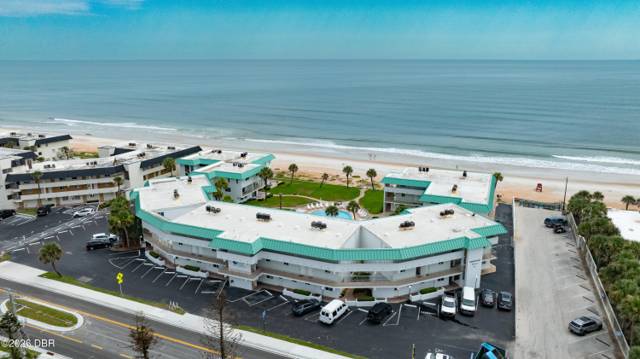
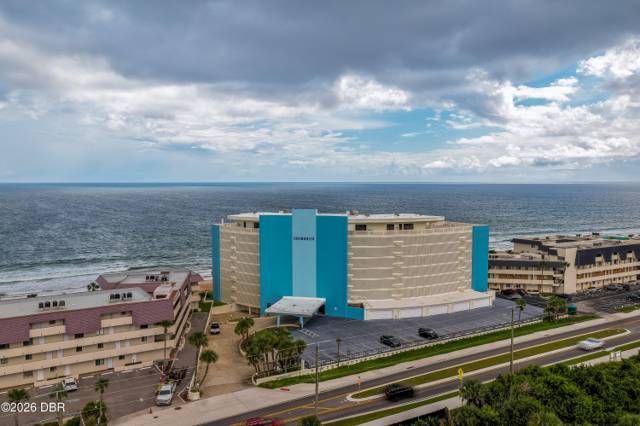
The Ormond Beach and Ormond-by-the-Sea oceanfront condo corridor is the quietest, most residential stretch of A1A in Volusia County. From the south end at 89 South Atlantic Avenue north through Ormond-by-the-Sea all the way to North Peninsula State Park, the corridor is two lanes of Ocean Shore Boulevard, no hotels, no commercial strip, no drive-on beach, and a roster of 12-plus distinct condo buildings ranging from 1974-vintage towers to a 2006 boutique luxury building. That combination -- no-drive beach, residential-only character, and genuine building variety -- is why buyers come here specifically when they have looked at Daytona Beach Shores and decided they want something quieter.
The corridor splits geographically and in character. The Ormond Beach section south of approximately 2000 Ocean Shore Boulevard sits closer to the Granada Boulevard commercial spine and the city's daily infrastructure. The Ormond-by-the-Sea section north of that point gets progressively more isolated, with fewer buildings, a thinner commercial presence across A1A, and a genuine buffer from the crowds that define beachside real estate further south. Both sections share the no-drive beach and the residential zoning. They differ in convenience and price.
The central financial story on this corridor in 2024-2026 is not the purchase price -- it is the fee stack and the reserve math. Florida's post-Surfside condominium inspection laws imposed milestone inspection requirements at 25 years for coastal buildings and mandatory Structural Integrity Reserve Studies (SIRS) for buildings three or more stories high. Every building on this corridor built before 2001 is already past that 25-year coastal trigger. For some buildings, the reserve catch-up math is manageable; for others, buyers have walked into six-figure special assessments. You need the association financials for the specific building before you offer, not after.
The no-drive beach is not an amenity upgrade -- it is a fundamental change to what oceanfront living actually feels like. You earn it by choosing this corridor over the drive-on beaches to the south.
Fees and reserves: the conversation that defines this corridor
There is no CDD on this corridor. Every dollar of association cost runs through the individual condo association -- no community development district, no bond debt, no additional line on the property tax bill beyond the association assessment itself. That simplicity is genuine, and it is one of the corridor's real structural advantages over newer master-planned communities. But it does not mean the fee picture is simple.
Monthly HOA fees across the corridor run roughly $600 to over $1,000 per month based on third-party listing data and building-specific sources through 2025-2026. What they cover varies: most include building insurance, water and sewer, cable or internet, exterior maintenance, and pool and common-area upkeep. Some include assigned or underground parking. None of those figures is a fixed number -- association boards set them annually, and the post-Surfside SIRS requirements have been pushing older buildings to catch up reserve balances they underfunded for years.
A useful mental model: younger buildings pay more on purchase price and less on ongoing fee risk. Older buildings cost less to buy and carry more fee uncertainty until you have seen their reserve documents. Capriana (2006) sits at one end of that spectrum; 89 Oceanfront (1974/1979) and Tidesfall (1982) sit at the other. Neither end is wrong -- the risk is not knowing which end you are buying.
The building roster: four tiers of character
Knowing which building you are in matters more on this corridor than on almost any other market we cover. The buildings differ in year, density, privacy architecture, rental rules, and reserve health. Here is an honest building-by-building orientation.
Boutique and privacy-first: Aliki Atrium (901 South Atlantic Ave, built 1981, 27 units) is the corridor's most distinctive building -- a 7-story structure with only 27 residences arranged in a townhome-style, multi-level configuration with glass elevators overlooking a tropical courtyard fountain. Units run approximately 2,767 square feet across multiple levels, each with a 25-foot balcony. It is an architectural outlier on the corridor. Gemini (1239 Ocean Shore Blvd, built 1983, 67 units) takes a different approach to privacy: 12 stories with semi-private elevator lobbies serving only two units per floor. Two-bedroom units top 1,700 square feet; three-bedroom units top 1,850 square feet. Underground parking for two cars per unit. The Tiffany (1295 Ocean Shore Blvd, built 1991, 28 units) achieves exclusivity by sheer smallness -- 7 stories, only four units per floor, 28 total, all on the no-drive beach.
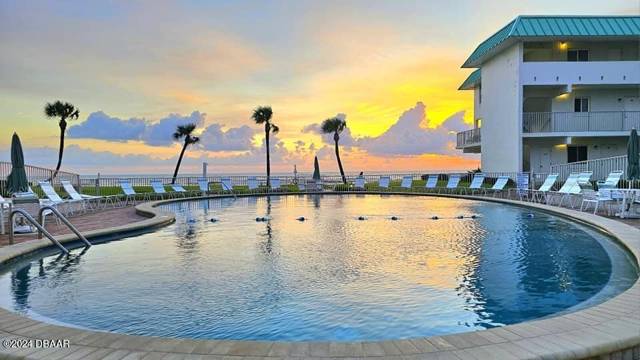
Newer and larger: Capriana (1425 Ocean Shore Blvd, built 2006) is the newest and most standardized building on the corridor. All units are 3BR/3BA at 2,515 square feet on 9 floors. There is no entry-level product here -- recent comparable sales include a Unit 603 closing at $850,000 in early 2026. The building's 2006 vintage means its reserve math starts in a better position than most of the corridor's stock, but confirm current figures. Tidesfall (2100 Ocean Shore Blvd, built 1982, 55 units) is a 7-story building with a cascading waterfall pool, rooftop terrace, and courtyard spa -- distinctive amenities for a 1982 building, and 55 units is small enough to maintain community feel.
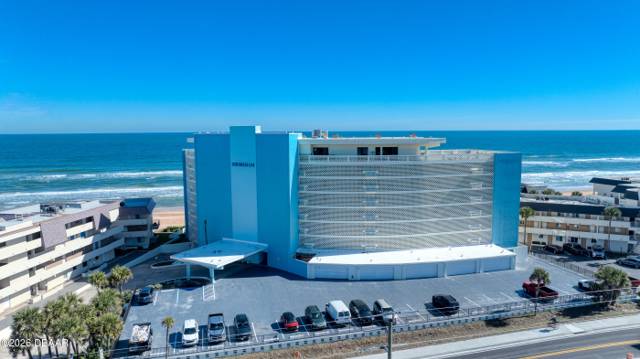
Value and volume: 89 Oceanfront (89 South Atlantic Ave, built 1974-1979, approximately 94 units) is the corridor's original high-rise, 17 stories with six units per floor, designed by architect Julian Lopez, ranging from compact studios near 420 square feet to 2BR units near 1,356 square feet. It is the lowest entry point on the corridor and the building whose reserve and SIRS documentation deserves the most thorough review.
Ormond-by-the-Sea section: Ocean Watch (2700 Ocean Shore Blvd, built 1986, 90 units across two buildings, 5 stories) is the main mid-corridor anchor in the OBTS section. Monthly HOA fees have been reported in the $600-$900 range; rental minimums are monthly, and the building is known for vacation-rental usage. Seawinds (built 1984) is a mid-rise complex with 90-day minimum rental terms and a quieter owner-occupant character. The Ormondy (1513 Ocean Shore Blvd, built 1985, approximately 12 stories) offers oceanfront and river views and is one of the larger OBTS buildings. All three are 1984-1986 vintage and therefore squarely in the milestone inspection zone.
The no-drive beach: what it actually means
Volusia County is famous for its drive-on beaches, and that reputation is earned -- vehicle access on the sand is legal and widely used through much of Daytona Beach and south. But the section north of Granada Boulevard is categorically different. Every stretch of beach on this corridor, from the Granada Boulevard city line northward through all of Ormond-by-the-Sea to Flagler County and beyond, is permanently closed to vehicle traffic. No seasonal hours, no exceptions. Just sand, walkers, and the Atlantic Ocean.
For buyers, the practical difference is larger than it sounds on paper. On the drive-on stretches to the south, cars and ATVs share the hard-packed sand with beachgoers; the noise and proximity are real. On this corridor, the beach access points -- Volusia County maintains multiple dune walkovers and ADA-accessible paths along Ocean Shore Boulevard -- lead to sand where the loudest thing is typically the surf. That is the corridor signature, and it is the primary reason buyers who have looked at competing Volusia County oceanfront addresses keep landing here.
North Peninsula State Park extends over two miles of preserved Atlantic beachfront at the northern end of the corridor, with no construction allowed and a permanent natural buffer that ensures the corridor's northern terminus stays quiet indefinitely. The combination of the park boundary, no commercial zoning, two-lane A1A, and no-drive beach enforcement creates what amounts to the most protected residential oceanfront corridor in Volusia County.
Ormond-by-the-Sea: the quieter northern trade-off
Ormond-by-the-Sea is an unincorporated community rather than its own city -- Volusia County governs it, and its mailing address is Ormond Beach. But buyers who have toured both sections of the corridor know the difference immediately. OBTS sits north of roughly the 2000 Ocean Shore Boulevard mark, and as you drive north, the buildings thin, the retail thins, and the A1A corridor gets noticeably quieter. That is the appeal -- and it is also the honest trade-off.
The trade-off is convenience. The Ormond Beach section has quick access south to Granada Boulevard's commercial corridor -- groceries, restaurants, pharmacies, urgent care -- inside five minutes. Ormond-by-the-Sea's primary grocery anchor is a Publix that sits across A1A roughly near the Argosy Beach Park area, which is genuinely convenient for buildings in the 1200-1500 block of Ocean Shore Boulevard but requires a purposeful errand run for everything else. There is no dine-in restaurant row, no coffee shop cluster, no walkable anything outside the sand. Most OBTS buyers self-select for exactly that reason -- they want the North Peninsula scarcity as a feature. If you need daily walkable convenience, shop the southern section.
OBTS buildings in the residential regime -- Seawinds, The Ormondy, and the owner-occupant portions of Ocean Watch -- deliver one of the lowest-noise, lowest-density beachfront living options in the entire region. The flip side is that buildings like Ocean Watch allow monthly-minimum vacation rentals, which creates a mixed owner-occupant and vacation-rental culture that varies floor to floor. Ask which floors and which buildings have the highest investment-unit ratios if a residential community feel is your priority.
Schools: context for the corridor
The overwhelming majority of buyers on this corridor are adults without school-age children -- retirees, second-home buyers, and working adults who chose the corridor for its beach character, not its school zoning. The school picture matters to a minority of buyers here, but it is not irrelevant, and we treat it the same as every other market: honestly, without inventing a connection that does not exist.
The corridor falls within Volusia County Schools, and the likely feeder pattern includes schools serving the Ormond Beach and Daytona Beach area. The specific school assignment depends on the exact address and can change with redistricting. Verify current zoning directly with Volusia County Schools for the specific unit before you rely on it in your decision.
What living here is actually like
Day to day, the corridor lives at a pace that takes some buyers by surprise coming from anywhere south of Granada Boulevard. In the morning: coffee on an oceanfront balcony, a walk on a beach with no cars in sight, and then a drive for anything practical. In the evening: sunsets over the Halifax River from the river-side units, or ocean surf from the ocean-facing ones. What it is not: walkable to dinner, within two minutes of a hospital, or convenient for anyone who needs the Daytona Beach energy on demand.
Who actually buys here?
What is the hurricane and flood risk reality?
How is the rental situation building by building?
What is the parking situation?
Five costly mistakes corridor buyers make
We have watched buyers make every one of these. They are all avoidable.
Skipping the reserve study and SIRS documentation
This is the single costliest mistake on this corridor. Older buildings with underfunded reserves face mandatory catch-up under Florida law. A $650 monthly HOA can become $1,100 plus a special assessment if the building has not been maintaining reserves. Get the current SIRS, the funded percentage, and any pending assessments in writing before you offer.
Comparing units across buildings without adjusting for building age
A 2BR unit at 89 Oceanfront and a 2BR unit at Gemini are not the same product even if they have similar list prices. Vintage, unit size, semi-private versus shared elevator, reserve health, and rental ratio are all different. Comps only work within the same building or very similar buildings.
Assuming the HOA fee is stable
The fee you see in the listing is what the board set last year. After a SIRS-driven reserve increase or a building repair special assessment, it can change materially. Ask for the past three years of board meeting minutes and budgets, not just the current fee.
Not getting an insurance quote before making an offer
Oceanfront condo insurance in Florida has repriced significantly in recent years. The master building policy covers the structure; your unit requires its own HO6 or equivalent. Get an actual quote on the specific unit before you commit -- and ask the association what the master building premium is per unit annually.
Buying Ormond-by-the-Sea expecting Ormond Beach convenience
The OBTS section is quieter by design. It is not a discount version of the southern section -- it is a different lifestyle trade-off. Buyers who do not understand the grocery and errand reality end up resenting what should have been a feature. Tour OBTS on a weekday afternoon before you commit.
Building class and product mix
The corridor's value driver is building character, not just floor or view
On most condo markets, you pay for floor and view. On this corridor, you also pay for privacy architecture (semi-private elevators, townhome layouts), building vintage, unit size, and the specific community culture of each building. The four tiers below reflect that reality.
The corridor buyer checklist
- Reserve study and SIRS status. Funded percentage, date of last study, and whether any catch-up assessment is pending -- in writing, for the specific building.
- Pending or planned special assessments. Ask the board and the management company directly; listing agents are not always informed.
- Insurance quotes before you offer. Both the master building premium (ask for the per-unit share) and your own HO6 on the specific unit and floor.
- Rental policy in writing. Current minimum term, owner-to-renter ratio, and whether the policy has been amended in the past two years.
- Milestone inspection status. Has the Phase 1 been completed? Is Phase 2 required? What were the findings?
- Flood zone and FEMA designation. Pull the map for the exact parcel address; oceanfront zones vary within buildings and can affect financing options.
- Parking allocation. Confirm what parking is deeded or assigned to the specific unit, not just the building in general.
- Board meeting minutes. Last 2-3 years of minutes show disputes, planned repairs, and budget debates that listings will not.
This corridor is genuinely special -- two lanes of A1A, no commercial intrusion, no cars on the beach, and buildings ranging from 1974 studios to 2006 full-floor luxury. The no-drive beach is not marketing language; it is a physical reality that makes the daily experience of oceanfront living different from anywhere south of Granada Boulevard.
The unglamorous part of our job here is the reserve and fee work. The post-Surfside legislation changed the math for 1970s-80s buildings in ways that are still working through the market. We pull the reserve study, the SIRS status, the milestone inspection findings, the past three years of board minutes, and the actual insurance picture for every building we represent a buyer in on this corridor. That is what representing you, not the seller, looks like in a market where the biggest risk is invisible in the listing description.
Ormond Beach oceanfront vs. the alternatives
Most corridor shoppers are cross-comparing with Daytona Beach Shores and Ponce Inlet. Here is the honest breakdown:
| Community / Corridor | Character | Key trade |
|---|---|---|
| The Oceans, Daytona Beach Shores | High-density, full-service | More amenities and commercial access; drive-on beach south of Dunlawton; more congested |
| The Peninsula, Daytona Beach Shores | Luxury towers | Newer high-rise luxury with gated access; drive-on beach boundary nearby; premium pricing |
| Towers at Ponce Inlet | Boutique deep-south | The quietest southernmost Volusia option; lighthouse-adjacent; thin nearby services |
| Marina Grande on the Halifax, Holly Hill | Intracoastal luxury | Halifax River waterfront, not oceanfront; gated luxury towers; different buyer profile |
| Ormond Heritage, Ormond Beach | Inland active adult | ICI-built inland community; no oceanfront but newer construction and HOA simplicity |
| Ormond Beach & OBTS Oceanfront | Residential no-drive corridor | The only Volusia corridor with no drive-on beach, no commercial strip, and a full building roster from value to boutique luxury |
The corridor's irreplaceable advantage is the combination: no-drive beach, no hotel or commercial intrusion, residential-only zoning, and a building range wide enough to accommodate entry buyers through full-floor luxury. Nothing else in Volusia County offers all four.
Pros & cons, no varnish
Pros
- Only no-drive-beach residential corridor in Volusia County
- No commercial strip, no hotels -- purely residential A1A
- Building range from entry studios to 2,515 sf 3BR luxury
- No CDD; fee stack is association-only
- North Peninsula State Park as permanent northern buffer
- Ormond Beach city services and lower crowd density than Daytona
Cons
- 1970s-80s building stock carries SIRS and milestone inspection fee risk
- Monthly HOA fees $600-$1,000+, rising with reserve catch-up
- Ormond-by-the-Sea section: thin retail, long errand drives
- Oceanfront wind and flood insurance costs are real and rising
- No walkable commercial of any kind on the corridor itself
- Vacation-rental units in some buildings dilute residential community feel
The offer playbook
How we run an oceanfront corridor purchase, in order:
- Define the building tier first. Value, boutique, OBTS, or Capriana-luxury -- the strategy and the due diligence differ completely.
- Pull building-accurate solds. Comps only work within the same building and the same unit-type tier; ocean-facing versus pool-facing within the building matters too.
- Front-load the fee and reserve work. SIRS, funded percentage, milestone inspection status, and special assessment history -- before the offer, not after.
- Get insurance quotes in hand before you offer. Oceanfront HO6 plus the master building premium share; surprises here kill deals and waste inspection money.
- Review board minutes for the past 2-3 years. The reserve conversation, any deferred maintenance, and ownership disputes surface in minutes that listing descriptions omit.
Questions we ask before you offer
The six questions that surface what listings will not tell you:
- What does the current SIRS show for funded reserves and projected assessments?
- Has the Phase 1 milestone inspection been completed, and was Phase 2 triggered?
- What is the master building insurance premium per unit annually, and what has it done in the past three years?
- What is the current ratio of owner-occupied to rental units in this building?
- Are any special assessments pending, voted, or under discussion by the board?
- What are the current rental rules, and when were they last amended?
Is this corridor for you?
No corridor fits everyone, and we would rather lose you to the right address than sell you the wrong one.
Consider elsewhere if you want
- Walkable restaurants and shops at your door
- New construction with clean reserve history
- Drive-on beach access for your truck or ATV
- Full-service building amenities and concierge
- Minimal ongoing fee homework
- High commercial activity and nightlife nearby
This corridor fits if you want
- A no-drive beach as your daily reality
- Residential-only A1A with no hotels or commercial neighbors
- Building choice from value vintage to boutique luxury
- Ormond Beach city services with less crowd than Daytona
- North Peninsula scarcity -- very limited new supply possible
- Quiet that you cannot find anywhere south of Granada Boulevard